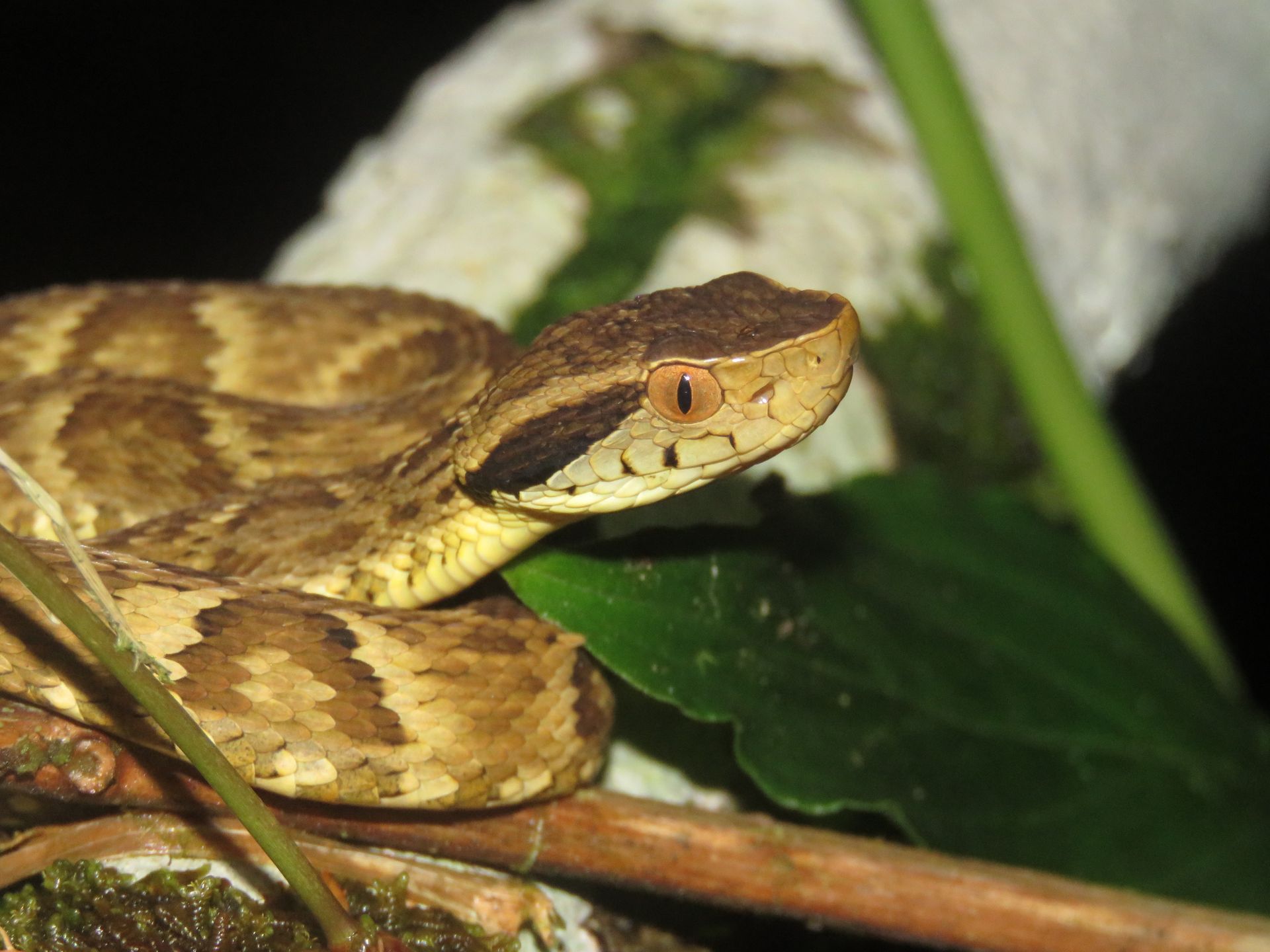
Bothrops snakes are found in the Americas, specifically in the tropical and subtropical regions of Central and South America, as well as in parts of Mexico.
These snakes are highly venomous, with some species capable of delivering a deadly bite. Some species of Bothrops are found in the tropical rainforests of Central and South America, where they inhabit areas near water sources.
Bothrops snakes are members of the Viperidae family, which includes over 300 species of venomous snakes.
A fresh viewpoint: Snakes of Belize Central America
Physical Characteristics
Bothrops species can range in size from small to large, with some never growing more than 50-70cm (19.5-27.5in) in length.
Most Bothrops have a sharp canthus rostralis and an unelevated snout.
The arrangement of scales on top of the head is extremely variable, with the number of interorbital scales ranging from 3-14.
Usually, Bothrops have 7-9 supralabials and 9-11 sublabials.
There are 21-29 rows of dorsal scales at midbody, which is quite a range.
Bothrops have 139-240 ventral scales.
Subcaudals are generally divided and can range from 30-86 in number.
Habitat and Distribution
Bothrops species are found in a wide range of habitats, including tropical and subtropical forests, grasslands, and wetlands.
Their main distribution area is South America, which is home to the majority of Bothrops species.
Bothrops asper is the only Bothrops species in Central America and Mexico, making it a unique and isolated population.
They also occur on various islands, including Saint Lucia, Martinique, and Ilha da Queimada Grande, which is located off the coast of Brazil.
The geographic range of Bothrops species stretches from northeastern Mexico, specifically in the state of Tamaulipas, southward through Central and South America to Argentina.
B. atrox is also found on the island of Trinidad in the Caribbean, off the eastern coast of Venezuela.
A unique perspective: Can Snakes Be Found on Every Continent
Behavior and Venom
Most species of Bothrops are nocturnal, although a few found at higher altitudes are active during the day. Otherwise, they may be seen on cloudy days or during periods of rain.
Most Bothrops are terrestrial, though all are capable of climbing. One species, B. insularis, which is endemic to Ilha da Queimada Grande, is considered to be semi arboreal.
This species, unlike most Bothrops, preys primarily on birds, due to the absence of native mammal species on Queimada Grande. This feeding habit probably accounts for their more arboreal lifestyle compared with their mainland cousins.
Many species of Bothrops exhibit tail vibration behavior when disturbed. This behavior is likely a defense mechanism to warn potential predators of their presence.
Members of the genus Bothrops are responsible for more fatalities in the Americas than any other group of venomous snakes.
Species and Venom
The Bothrops genus is a large and diverse group of venomous snakes, with over 40 species found in the Americas. These snakes are responsible for more fatalities in the Americas than any other group of venomous snakes.
Some of the most important species in the Bothrops genus include B. asper, B. atrox, and B. jararaca, which are responsible for the majority of deaths caused by venomous snake bites in the region. These species are known for their potent venom, which can cause a range of symptoms including immediate burning pain, dizziness, and massive swelling of the bitten extremity.
A different take: Hognose Snake Texas Venomous
Here are some of the species found in the Bothrops genus:
Bothrops alcatraz
Bothrops alternatus
Bothrops ammodytoides
Bothrops andianus (now known as Bothrocophias andianus)
Bothrops asper
Bothrops atrox
Bothrops ayerbei
Bothrops barnetti
Bothrops brazili
Bothrops caribbaeus
Bothrops cotiara
Bothrops diporus
Bothrops erythromelas
Bothrops fonsecai
Bothrops germanoi
Bothrops insularis
Bothrops itapetiningae
Bothrops jabrensis
Bothrops jararaca
Bothrops jararacussu
Bothrops jonathani
Bothrops lanceolatus
Bothrops leucurus
Bothrops lojanus
Bothrops lutzi
Bothrops marajoensis
Bothrops marmoratus
Bothrops matogrossensis
Bothrops monsignifer
Bothrops moojeni
Bothrops muriciensis
Bothrops neuwiedi
Bothrops oligobalius
Bothrops osbornei
Bothrops otavioi
Bothrops pauloensis
Bothrops pictus
Bothrops pirajai
Bothrops pubescens
Bothrops punctatus
Bothrops rhombeatus (now known as Bothrocophias colombianus)
Bothrops roedingeri
Bothrops sanctaecrucis
Bothrops sazimai
Bothrops sonene
Bothrops venezuelensis
It's worth noting that some species within the Bothrops genus have been reclassified into other genera, such as Bothrocophias and Bothropoides.
Common Names
The common names of snakes in the genus Bothrops can be quite confusing, but stick with me and I'll break it down for you.
Lacépède originally applied the common name "lanceheads" to all snakes in the genus Bothrops, which he considered conspecific. This name is still used in older writings, as well as in some popular and scientific writings.
However, many scientists and hobbyists now restrict the name "fer-de-lance" (French for "spearhead") to the Martinican species, B. lanceolatus. This name is often used in older writings, including dictionaries like the American Heritage, Merriam-Webster, and New Shorter Oxford dictionaries.
Some species are also referred to as "American lanceheads" or "American lance-headed vipers".
Here's a list of some common names of snakes in the genus Bothrops:
- Alcatrazes lancehead
- Urutu
- Patagonian lancehead
- Andean lancehead
- Terciopelo
- Common lancehead
- Patian lancehead, Ayerbe's lancehead, Cacica, Eqis patiana
- Barnett's lancehead
- Brazil's lancehead
- Saint Lucia lancehead
- Cotiara
- Chaco lancehead
- Caatinga lancehead
- Fonseca's lancehead
- Moela's lancehead
- Golden lancehead
- Sao Paulo lancehead
- Jabre's lancehead
- Jararaca
- Jararacussu
- Cochabamba lancehead
- Martinique lancehead
- Bahia lancehead
- Lojan lancehead
- Cerrado lancehead
- Marajo lancehead
- Marbled lancehead
- Matogrosso lancehead
- Brazilian lancehead
- Murici lancehead
- Neuwied's lancehead
- Osborne's lancehead
- Black-faced lancehead
- Desert lancehead
- Piraja's lancehead
- Pampas lancehead
- Chocoan lancehead
- Cat lancehead, Cauca valley yellow lancehead, Eqis gata, Eqia amarilla del Valle del Cauca
- Roedinger's lancehead
- Bolivian lancehead
- Franceses Iland lancehead
- Venezuelan lancehead
Venom
Venom is a serious business, especially when it comes to certain species of snakes. The Bothrops genus is responsible for more fatalities in the Americas than any other group of venomous snakes.
The three most important species in this regard are B. asper, B. atrox, and B. jararaca. Without treatment, the fatality rate is estimated to be about 7%.
Symptoms of bothropic envenomation include immediate burning pain, dizziness, nausea, vomiting, sweating, headache, and massive swelling of the bitten extremity. These symptoms can be severe and even life-threatening if left untreated.
Typical symptoms also include hemorrhagic blebs, local necrosis, bleeding from the nose and gums, ecchymosis, erythemia, hypotension, tachycardia, coagulopathy with hypofibrinogenemia and thrombocytopenia, hematemesis, melena, epistaxis, hematuria, intracerebral hemorrhage, and kidney failure.
Species
The genus Bothrops is a diverse group of venomous snakes, comprising over 40 species found in the Americas. The species within this genus are divided into several groups, including the alternatus group, the jararaca and neuwiedi group, and the jararacussu, punctatus, and atrox groups.
Some of the most well-known species of Bothrops include the Bothrops lanceolatus, also known as the Martinican lancehead, and the Bothrops atrox, also known as the fer-de-lance. However, many scientists and hobbyists now restrict the name fer-de-lance to the Martinican species, B. lanceolatus.
The species within the genus Bothrops have a wide range of common names, including Alcatrazes lancehead, Urutu, Patagonian lancehead, and Terciopelo. These names reflect the unique characteristics and habits of each species.
Here is a list of some of the species within the genus Bothrops:
- Bothrops alcatraz
- Bothrops alternatus
- Bothrops ammodytoides
- Bothrops andianus (now known as Bothrocophias andianus)
- Bothrops asper
- Bothrops atrox
- Bothrops ayerbei
- Bothrops barnetti
- Bothrops brazili
- Bothrops caribbaeus
- Bothrops cotiara
- Bothrops diporus
- Bothrops erythromelas
- Bothrops fonsecai
- Bothrops germanoi
- Bothrops insularis
- Bothrops itapetiningae
- Bothrops jabrensis
- Bothrops jararaca
- Bothrops jararacussu
- Bothrops jonathani
- Bothrops lanceolatus
- Bothrops leucurus
- Bothrops lojanus
- Bothrops lutzi
- Bothrops marajoensis
- Bothrops marmoratus
- Bothrops matogrossensis
- Bothrops monsignifer
- Bothrops moojeni
- Bothrops muriciensis
- Bothrops neuwiedi
- Bothrops oligobalius
- Bothrops osbornei
- Bothrops otavioi
- Bothrops pauloensis
- Bothrops pictus
- Bothrops pirajai
- Bothrops pubescens
- Bothrops punctatus
- Bothrops rhombeatus (now known as Bothrocophias colombianus)
- Bothrops roedingeri
- Bothrops sanctaecrucis
- Bothrops sazimai
- Bothrops sonene
- Bothrops venezuelensis
Atrox and Lanceolatus Snakes: Natural History
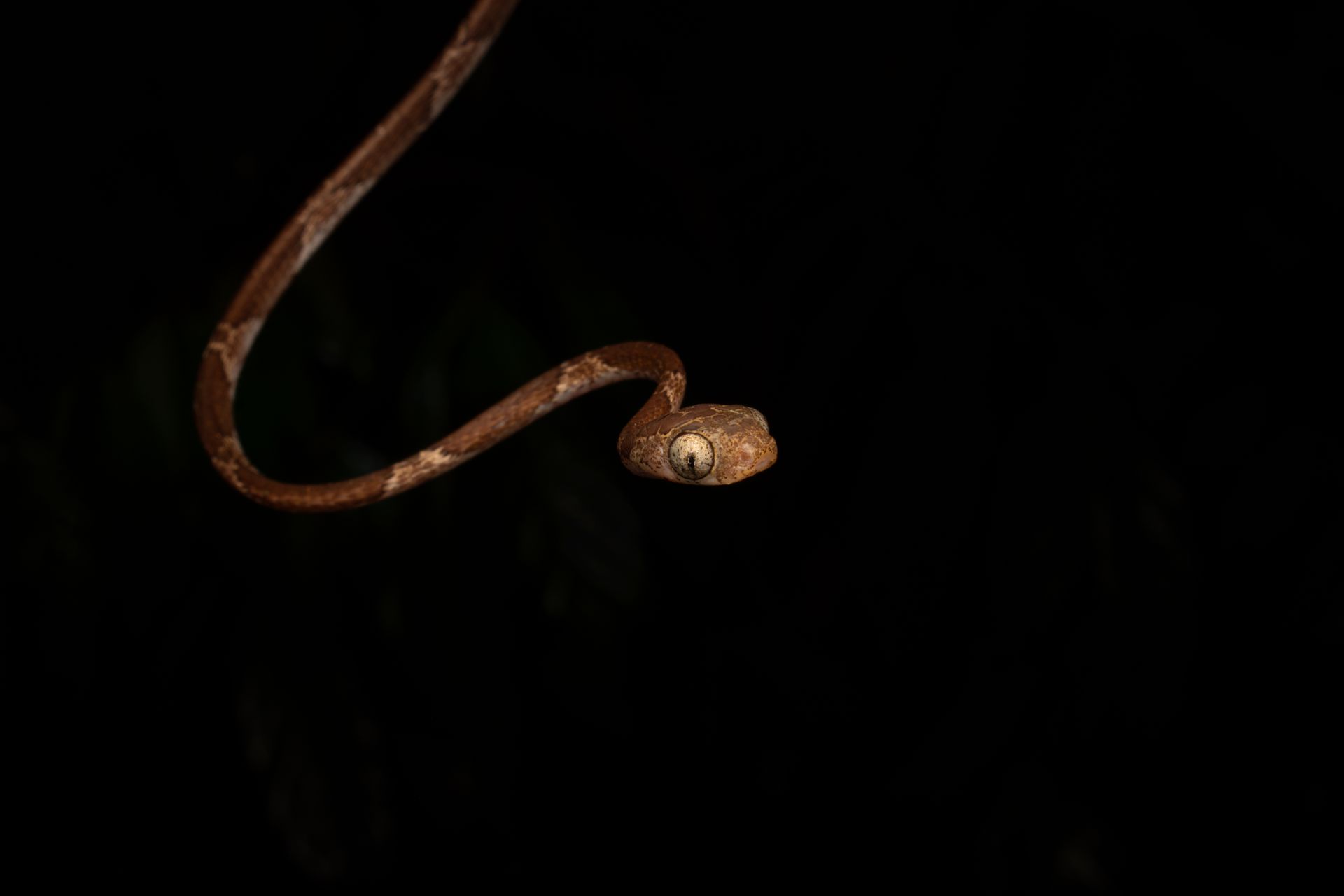
B. atrox is the most abundant venomous snake in French Guiana.
This snake is predominantly nocturnal, presenting a higher encounter rate at night.
It may also be active during the day. B. atrox is especially active at night when adults are often seen on the ground hunting.
Juveniles frequently hunt in vegetation, up to heights of 1.5 m.
B. lanceolatus is the only venomous snake in Martinique.
It originated as a consequence of the long-distance dispersal of the South American mainland species of the complex B. asper/B. atrox.
B. lanceolatus and B. caribbaeus form a monophyletic group divergent at the molecular level from all other South American species of Bothrops.
The geographical distribution of this species in Martinique seems to be disjunct, with two isolated populations confined to humid upland regions in the northern and southern portions of the island.
B. lanceolatus is an inhabitant of tropical moist forest and tropical wet forest, primarily in upland regions.
It also occupies rocky hillsides and tends to be arboreal, having been found as high as 20 m above ground.
Broaden your view: Snakes from South America
Venom and Envenomation
Members of the genus Bothrops are responsible for more fatalities in the Americas than any other group of venomous snakes.
The fatality rate from Bothrops envenomation is estimated to be about 7% without treatment, but with treatment this is reduced to 0.5–3%.
Typical symptoms of bothropic envenomation include immediate burning pain, dizziness, nausea, vomiting, sweating, headache, massive swelling of the bitten extremity, and local necrosis.
Common symptoms also include bleeding from the nose and gums, ecchymosis, erythemia, hypotension, tachycardia, coagulopathy with hypofibrinogenemia and thrombocytopenia, and hematemesis.
There is usually some discoloration around the bite site, and rashes may develop on the torso or the extremities.
Death from Bothrops envenomation usually results from hypotension secondary to blood loss, kidney failure, and intracranial hemorrhage.
Common complications include necrosis and kidney failure secondary to shock and the toxic effects of the venom.
Risk
Between 80 and 90% of cases of snake envenoming in Latin America are caused by Lance heads.
The most dangerous species responsible for many bites and deaths are B. asper in Central America, B. atrox, B. jararaca, and B. jararacussu in South America.
Lance heads claim the most lives on the American continent as a whole, causing high morbidity and more deaths than any other New World venomous snake.
Explore further: Snakes in Panama Central America
Of 6,601 recorded cases of snakebite envenoming in Central and South America, 4,902 cases were attributed to various Bothrops species, with 3,446 of those cases attributed to B. jararaca.
In 1989, the Brazilian Ministry of Health recorded 20,748 snakebites, with around 67% attributed to the Bothrops genus.
Most snakebite accidents occur during the day in rural areas with basic agriculture, particularly in the Amazon region where B. atrox is the most significant species.
B. atrox is also the main cause of envenoming in southern Colombia, while in Ecuador, around 60% of verified bites were due to Bothrops sp.
In Central America, particularly in the Canal Zone of Panama, around 90% of significant bites are caused by B. asper, a species responsible for many of the most dangerous accidents.
Frequently Asked Questions
What is Bothrops used for?
Bothrops is used in research for potential antimalarial activity. Studies focus on its venom and purified fractions to explore its medicinal properties.
Featured Images: pexels.com