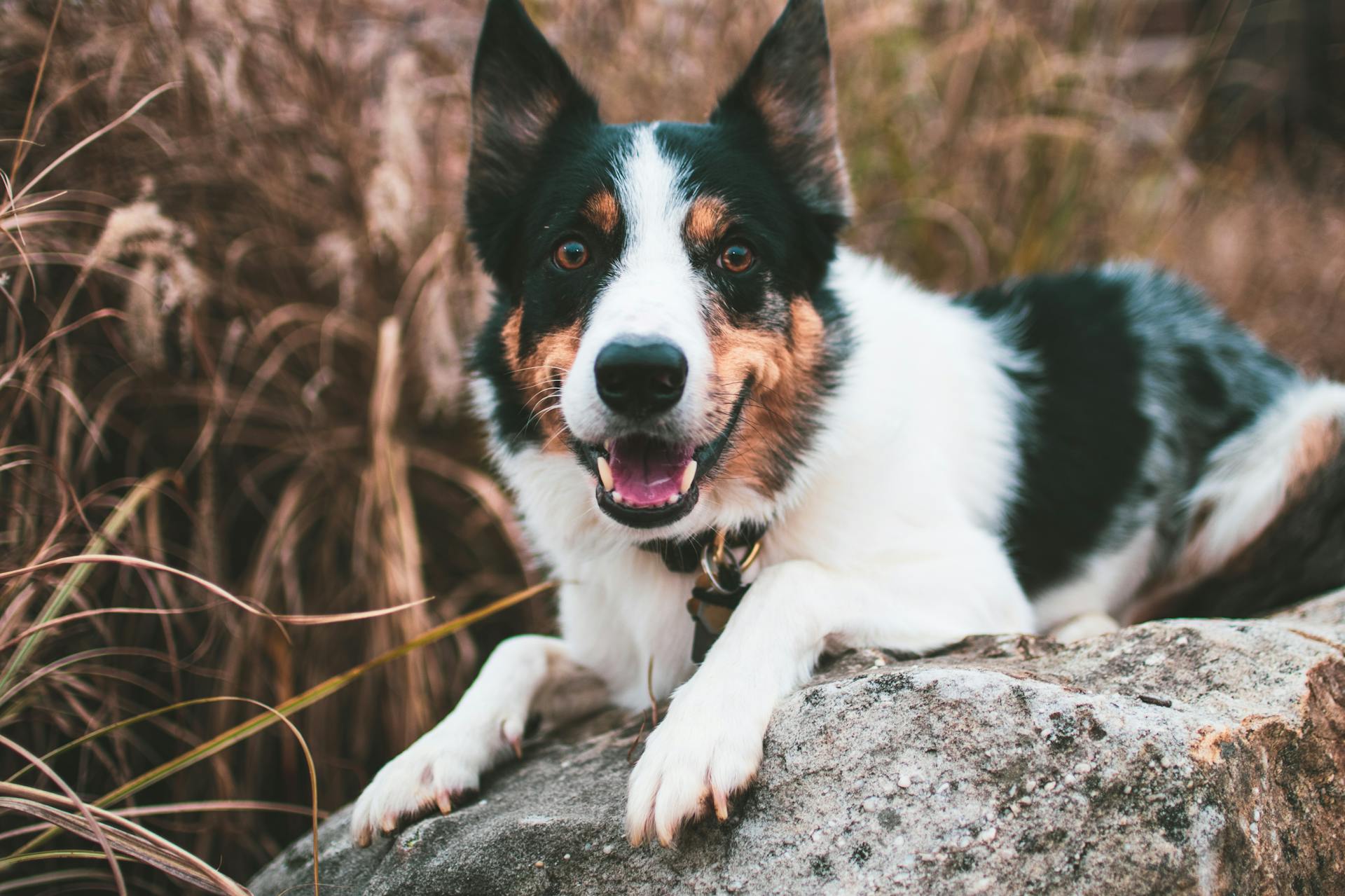
Welcoming a new Border Terrier puppy into your family is a thrilling experience, but it requires careful planning and attention to detail.
First and foremost, make sure you're prepared for the high energy level of your new furry friend, as they can be quite active and playful.
Border Terrier puppies need regular exercise to stay happy and healthy, so be prepared to take them on daily walks and playtime sessions.
They also require a balanced diet, with high-quality puppy food that meets their nutritional needs, as outlined in the article section "Nutrition and Feeding".
With patience, love, and proper care, your Border Terrier puppy will grow into a loyal and loving companion.
Key Facts & Characteristics
Border Terrier dog puppies are a joy to have as pets, and understanding their key facts and characteristics can help you prepare for this exciting addition to your family.
Border Terriers are small dogs, typically weighing between 11 and 16 pounds.
They are also known for their intelligence and quick problem-solving abilities, making them responsive to training.
A Border Terrier's average lifespan is over 12 years, which is a significant consideration when deciding to bring one home.
They require a minimum of 1 hour of exercise per day to stay happy and healthy.
Their coat length is short, which makes grooming a relatively easy task.
The minimum monthly cost of owning a Border Terrier is £70, which includes food, vet bills, and other expenses.
Here's a quick rundown of the breed's key facts:
Overall, Border Terriers are a wonderful breed that can thrive in a variety of living situations, as long as you're willing to provide the necessary care and attention.
Health and Wellbeing
Border terrier dog puppies are generally healthy and can live up to 12 to 15 years. They are a hardy breed, but like all dogs, they can be prone to certain health issues.
As a responsible pet owner, it's essential to be aware of the potential health risks associated with the breed. These can include gallbladder mucocele, which causes an abnormal accumulation of mucus in the gallbladder, potentially leading to obstruction and symptoms like abdominal pain and vomiting.
Spike's disease, also known as canine epileptoid cramping system, is another condition that can affect border terriers. It's characterized by episodes of cramping, trembling, and abdominal pain.
Idiopathic epilepsy is a common health issue in border terriers, causing seizures without any apparent underlying cause. Epilepsy can usually be managed with medication, but it requires veterinary attention.
Border terriers may also be prone to paroxysmal dyskinesia, which involves episodes of abnormal involuntary movements that can affect the limbs or the entire body. The cause is not always clear, and management may involve medication.
CCL injuries can occur in border terriers, resulting in lameness and potentially requiring surgical intervention. Hip dysplasia, though relatively uncommon, can also occur in this breed.
Regular vet exams are essential for early detection and management of congenital cardiac disease, which some border terriers may be prone to. Juvenile cataracts can also develop in young dogs, so regular eye check-ups are crucial.
Here is a list of potential health issues to be aware of in border terrier dog puppies:
- Gallbladder mucocele
- Spike's disease (canine epileptoid cramping system)
- Idiopathic epilepsy
- Paroxysmal dyskinesia
- CCL injuries
- Hip dysplasia
- Congenital cardiac disease
- Juvenile cataracts
- Progressive retinal atrophy (PRA)
- SLEM (shaking puppy)
- Patellar luxation
Caring for Your Border Terrier
Caring for your Border Terrier is a big responsibility, but with the right approach, it can be a incredibly rewarding experience.
First and foremost, regular vet check-ups are essential to monitor your dog's overall health. Schedule check-ups with a vet to discuss vaccinations, parasite control, and preventive measures.
A balanced diet is also crucial for your Border Terrier's health. Provide a diet that's appropriate for your dog's age, size, and activity level, and consult with your vet to determine the best diet plan and feeding schedule.
Grooming is another important aspect of caring for your Border Terrier. They have a double coat that requires regular brushing to prevent matting and remove loose hair. Brush their coat once or twice a week, and trim their coat every few months to keep them looking neat.
Border Terriers are high-energy dogs that benefit from regular exercise. Daily walks, playtime, and interactive toys can help channel their energy and prevent boredom. They may also enjoy participating in activities like agility and obedience training.
Curious to learn more? Check out: Health Issues with Border Collies
Socialization is also key to developing a well-adjusted and confident Border Terrier. Expose your dog to various environments, people, and other animals from a young age to ensure they develop good social skills.
Here's a quick rundown of the essential care tasks for your Border Terrier:
- Regular vet check-ups
- Balanced diet
- Grooming (brushing, trimming)
- Exercise (daily walks, playtime)
- Socialization (exposure to environments, people, and animals)
By following these care tasks, you can help ensure your Border Terrier grows up healthy, happy, and well-adjusted.
Socialization with Pets and People
Socialization with pets and people is crucial for border terrier puppies to learn how to interact with other pets and people. Early socialization can help prevent behavior problems and make them well-adjusted family dogs.
Border terriers can get along well with other pets, including cats, as long as they are socialized properly. Introducing them to other pets slowly and under supervision can help them learn to coexist peacefully.
Socializing with people is also important for border terriers. They are known for being friendly and affectionate with their families but may be reserved with strangers.
The crucial stage for effective socialization is between 3 to 12 weeks. This is when they are most receptive to new experiences and interactions.
Border terriers are sensitive and don't respond well to strict or harsh training, so it's essential to use positive reinforcement during socialization. This can be in the form of yummy treats, toys, or praise.
Adequate socialization increases their confidence and friendliness as an adult, making them well-behaved and happy family dogs. With patience, consistency, and positive reinforcement, they can learn to be obedient and socialize with other pets and people.
Children
Border Terriers are a great match for families with kids. They're not known for being aggressive dogs and with proper socialization, they'll love spending time with children of all ages.
Border Terriers can get overexcited, so it's essential to calm playtime down if things get too boisterous. This is especially true when playing with kids who might not understand the dog's limits.
Supervising your Border Terrier around kids and vulnerable adults is crucial to avoid accidents. It's always better to err on the side of caution and keep a close eye on things.
Costs and Expenses
Owning a Border Terrier can be a costly endeavor, with a minimum of £70 per month in expenses after the initial purchase and setup costs. This monthly cost can add up to over £12,000 across the dog's lifetime.
The initial cost of buying a Border Terrier can range from $800 to $1,500, depending on the breeder, pedigree, and demand.
You'll also need to buy all the necessary items for your new puppy, including crates, beds, toys, harnesses, food, and insurance.
Border-proofing your home and yard is essential to prevent your puppy from escaping, and it's a cost you'll need to consider.
A reputable and responsible breeder can cost more, but it's worth it for the health and well-being of your puppy.
Buying from an irresponsible breeder may seem like a cost-saving option, but it can lead to costly problems in the long run, including health issues and behavioral problems.
Getting a Border Terrier
Getting a Border Terrier is a big decision, but with the right preparation, it can be a incredibly rewarding experience.
These fun-loving and active little dogs need plenty of attention and exercise to make sure they don’t get bored.
Despite their small size, they have big personalities and in return for your care and commitment you’ll get a loving and entertaining dog in return!
Border Terriers are relatively small dogs, but they still require a significant amount of exercise and attention to prevent boredom.
You should expect to spend a lot of time with your Border Terrier, playing with them, training them, and giving them the love and attention they crave.
It's essential to research the breed thoroughly before making a decision, so you can be sure you're ready for the responsibilities that come with owning a Border Terrier.
The cost of owning a Border Terrier can be higher than you think, so make sure you factor in the cost of supplies, food, and veterinary care.
The average price for a Border Terrier puppy usually falls between $800 and $1,500, but this can vary depending on the breeder, pedigree, and demand.
You'll also need to budget for the cost of crates, beds, toys, harnesses, food, insurance, and other essential items for your new puppy.
It's worth investing in a reputable breeder who prioritizes the health and well-being of their puppies, even if it means spending a bit more money upfront.
Breed History
The Border Terrier's breed history is steeped in tradition and purpose. They originated in the hilly countryside near the Scottish-English border.
These early terriers were bred to find and eradicate hill foxes that were stealing sheep. They needed to be small enough to dig into fox lairs but had long legs to keep up with foxhounds and huntsmen on horseback.
Their ancestors were incredibly determined to find the fox, staying underground overnight until the fox came to the ground. This determination has been passed down through the breed.
The first Border Terrier, Netherbuyers Ricky, was registered in 1930 in the US. This marked the beginning of the breed's popularity in America.
Fox hunting was made illegal in England in 2002, but this hasn't affected the Border Terrier's popularity in England. They remain a beloved breed despite the change in law.
The Border Terrier's compact size and agile nature allowed them to easily navigate the rocky landscapes of their native countryside. This adaptability has made them a valuable asset on farms for centuries.
The development of the breed continued through the 19th century, with the Border Terrier Club established in 1920 to promote and standardize the breed. This marked a significant milestone in the breed's history.
Frequently Asked Questions
Is a Border Terrier a good family dog?
Border Terriers are generally suitable for families with older children due to their energetic and playful nature, but may not be the best fit for households with babies or toddlers. They can make wonderful family pets for the right family.
Are Border Terriers difficult puppies?
Border Terriers can be challenging to raise if not socialized early, but with proper training and care, they can grow into well-behaved companions. Proper socialization is key to developing a well-adjusted and friendly Border Terrier.
How big will a Border Terrier get?
Border Terriers typically weigh between 11-15 pounds, with males slightly larger than females.
Featured Images: pexels.com