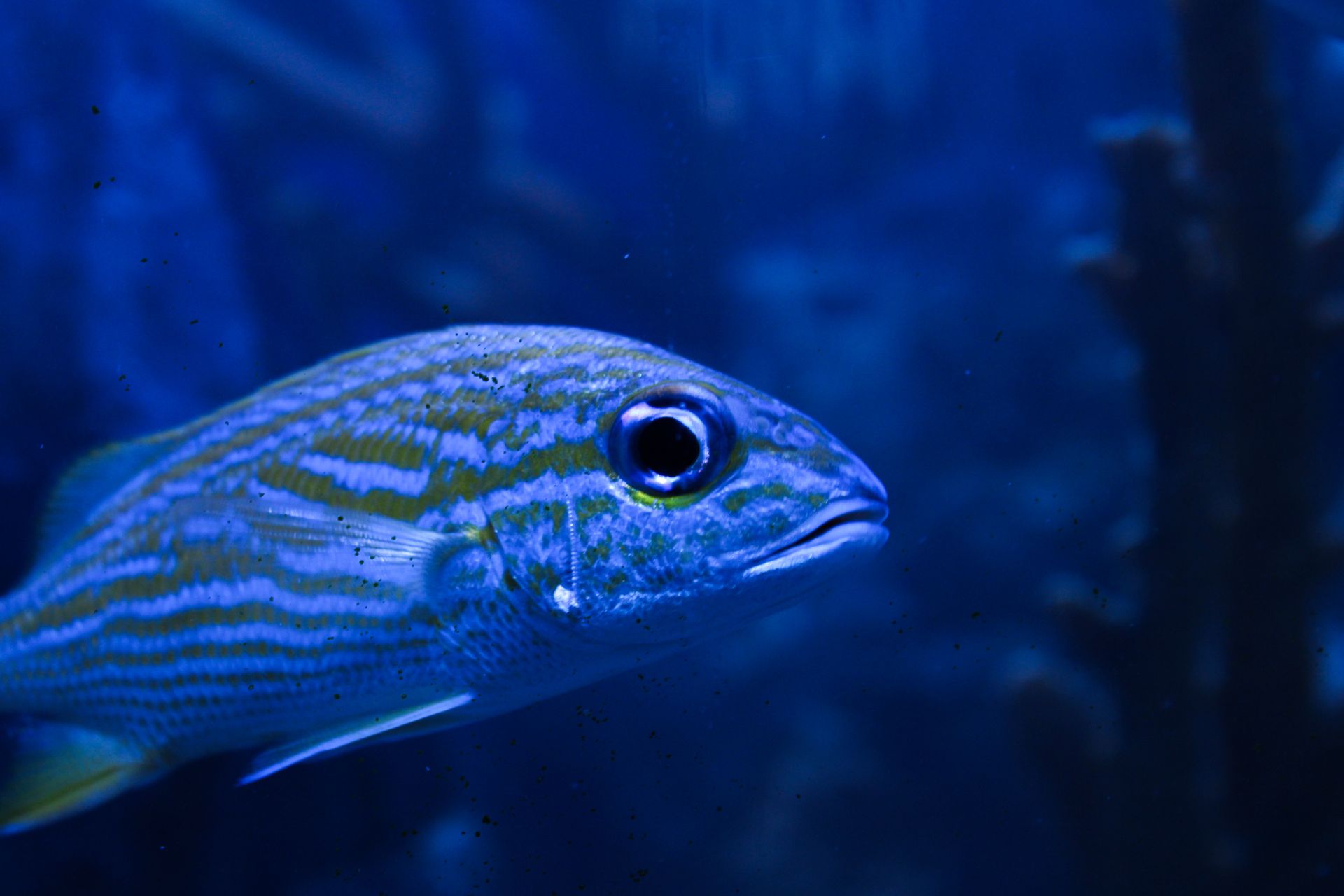
The Black Phantom Tetra is a stunning freshwater fish that's perfect for aquarium enthusiasts. They're a peaceful and schooling fish that thrive in small schools of 10 or more.
To create a suitable environment for your Black Phantom Tetras, you'll want to set up a tank with a secure lid, as they're skilled jumpers. A tank with a capacity of at least 20 gallons is recommended.
Black Phantom Tetras are sensitive to water conditions, so regular water changes and monitoring of water parameters are crucial. They prefer soft, slightly acidic water with a pH range of 5.5-6.5 and a temperature range of 72-82°F.
A well-planted tank with plenty of hiding places and open swimming space will help your Black Phantom Tetras feel secure and happy.
Aquarium Setup
To set up an aquarium for black phantom tetras, start with a tank size of at least 15-20 gallons to provide them with enough space to swim.
Black phantom tetras prefer slow-moving water, so a tank with a gentle current is a good idea. They also like to have plants and hiding spots to cluster around.
The ideal pH level for black phantom tetras is between 6.0-7.5, and they can thrive in soft to moderate water hardness. This flexibility makes them a great choice for aquarists who want to experiment with different water conditions.
In terms of tank mates, black phantom tetras are generally peaceful and can get along with other tetras, danios, pencilfish, and corydoras. However, they may see dwarf shrimp or baby fish as a snack.
A planted tank is a great way to create a visually appealing habitat for black phantom tetras. They love to swim through the plants and hide among the leaves.
To create a comfortable and visually appealing habitat, be sure to include plenty of plants and hiding spots in the tank. This will help your black phantom tetras feel secure and happy.
Origin and Characteristics
The Black Phantom Tetra is a mesmerizing species that hails from the tranquil waters of Brazil's Amazon River basin.
These small-sized fish typically reach about 1.5 inches in length, making them a great choice for small aquariums.
Their striking appearance is due to their deep, velvety black coloration with a unique, phantom-like translucence.
Males are particularly notable, displaying a more intense black hue and impressive finnage, especially during the breeding season.
Their peaceful demeanor and adaptability to various aquarium environments make them a great choice for both community and species-specific setups.
Black Phantom Tetras are active and sociable swimmers, often found shoaling in the middle layers of the water.
Their playful interactions and graceful movements provide a dynamic and engaging presence in the tank.
They can grow up to 1.3 and 1.4 inches in length, and have a life expectancy of five years, but can comfortably live up to six years with proper care.
Identifying the male and female Black Phantom Tetra is relatively easy, with males having longer dorsal fins and females having a reddish tinge on their pelvic area and anal fins.
Habitat and Care
The Black Phantom Tetra thrives in a tank with plenty of space to swim, so make sure to leave some room in the middle of the tank for them to swim freely and comfortably. Rich vegetation and clear water are ideal for your Black Phantom Tetra tank.
To keep your Black Phantom Tetras healthy and happy, mimic their natural environment. A 20-gallon tank or larger is recommended, with soft lighting, and accessories like dried driftwood and other natural ornaments.
Here's a breakdown of their ideal water conditions:
Regular water changes (about 25% per week) are also crucial to maintain good water quality, as well as removing any chlorine or chloramine from tap water before adding it to the tank.
Equipment and Accessories
To create a thriving environment for your Black Phantom Tetras, you'll need to set up the right equipment and accessories. A high-quality filtration system is essential for maintaining water quality and providing adequate water flow in the tank.
You'll also need a reliable heater to maintain the stable water temperature that tropical fish like Black Phantom Tetras require. Moderate lighting is suitable for these fish, but make sure to provide a regular day/night cycle.
Regular monitoring of water temperature and parameters is crucial to ensure a healthy environment for your fish. You'll need a thermometer and water testing kits to stay on top of this.
Here are the must-have equipment and accessories for your Black Phantom Tetras:
- Filtration system
- Heater
- Lighting
- Thermometer
- Water testing kits
Habitat and Living Conditions
Black Phantom Tetras are native to the upper Madeira basin and the Paraguay basin in Bolivia, Rio San Francisco, and Central Brazil. They live in clear waters of the wetlands as well as in murky aquatic conditions with a lot of vegetation.
In the wild, they thrive in areas with rich vegetation and clear water, which is ideal for their tank environment. This species of fish is adaptable and undemanding, but they still require specific water conditions to stay healthy.

The ideal temperature for a Black Phantom Tetra tank is between 72°F to 82°F (22.2°C to 27.8°C), with a pH range of 6.0 to 7.5 and water hardness between 1 and 18 dGH. However, 10 dGH is the best for this fish species.
Here are the ideal water conditions for Black Phantom Tetras:
Regular water changes and maintaining a clean tank are crucial for the health and longevity of Black Phantom Tetras. By following these guidelines, you can create a thriving environment for your fish.
Should You Get a Heater for Your Aquarium?
Before deciding whether a heater is right for your aquarium, think about the temperature requirements of the fish you want to keep. Black phantom tetras, for example, can thrive in a variety of temperatures, but some species may need a heater to stay comfortable.
If you're planning a community tank, a heater can be a good idea to ensure all the fish are happy and healthy. This can be especially rewarding, as it allows you to observe and care for a diverse group of fish.
A heater can also be useful if you're planning to breed fish, as a stable temperature can help promote healthy reproduction.
Behavior and Temperament
Black Phantom Tetras are peaceful and sociable fish, thriving in groups of six or more. They display fascinating shoaling behaviors, moving together in unison, and creating a dynamic visual display in the aquarium.
These fish are best kept in a school of about six pairs, but they don't mind being a pair among other fishes of the same size and temperament. This makes them an ideal pet, even for those who have a small-sized tank.
Black Phantom Tetras are calm and happy when they stay in the mid-section of the tank and swim slowly alongside other black phantom tetras. They are active in the daytime and will look for cover and safety during the night.
To keep your black phantom tetras calm and happy, provide them with sufficient hiding places and live plants. They are not shy, but they do appreciate having a safe space to rest and hide.
Here are some tips for choosing tank mates for your Black Phantom Tetras:
Avoid housing your Black Phantom Tetras with aggressive or overly large species, as this could stress or harm them. Some tank mates to avoid include cichlids, larger predatory fish, and fin-nipping species.
Diet and Nutrition
Black phantom tetras are omnivorous, which means they'll eat just about anything small enough to fit in their mouths. In the wild, they feed on insects, worms, and crustaceans.
To keep them healthy, feed them high-quality fish flakes and pellets three times a day. You can also supplement their diet with live or frozen brine shrimp, bloodworms, and mosquito larvae. These snacks can be freeze-dried or live.
Black phantom tetras tend to overeat, so it's essential to make a feeding schedule and stick to it. You can choose the hours that work best for you, but make sure to feed them only what they can eat to avoid polluting the environment.
In the wild, black phantom tetras also eat small plants, so a balanced diet should include a variety of foods. Here's a list of some healthy options:
- Live or frozen brine shrimp
- Blood worms
- Flake foods
- Fresh foods
- Mosquito larvae
- Vegetable food
- Meaty food
- Tablets and pellets
Remember to use high-quality pellets and tablets as supplements, rather than making up the bulk of their diet.
Care and Maintenance
Caring for your black phantom tetras is a breeze, as long as you follow a care guide and keep their tank conditions in check. They thrive in freshwater environments with rich vegetation and clear water.
A 20-gallon tank or larger is recommended for a school of black phantom tetras, but they'll benefit from more swimming room. To ensure their health and well-being, maintain ideal water parameters, such as a temperature range of 72°F to 82°F (22°C to 28°C) and a pH level between 6.0 and 7.5.
Regular water changes are crucial, with 25% to 50% of the tank's volume replaced every two weeks. This will help keep the environment in optimum condition for your fish. Be careful not to introduce hard water or acidic water, as it can affect their health.
Here's a quick rundown of the ideal water parameters for your black phantom tetras:
- Temperature: 72°F to 82°F (22°C to 28°C)
- pH Level: 6.0 and 7.5
- Water Hardness: 5-12 dGH
- Nitrate Levels: below 20 ppm
- Ammonia and Nitrite Levels: 0 ppm
What to Include
When setting up your tank, it's essential to include some key elements to create a comfortable environment for your Black Phantom Tetra. Live or artificial plants are a must, as these fish love swimming around and hiding among them.
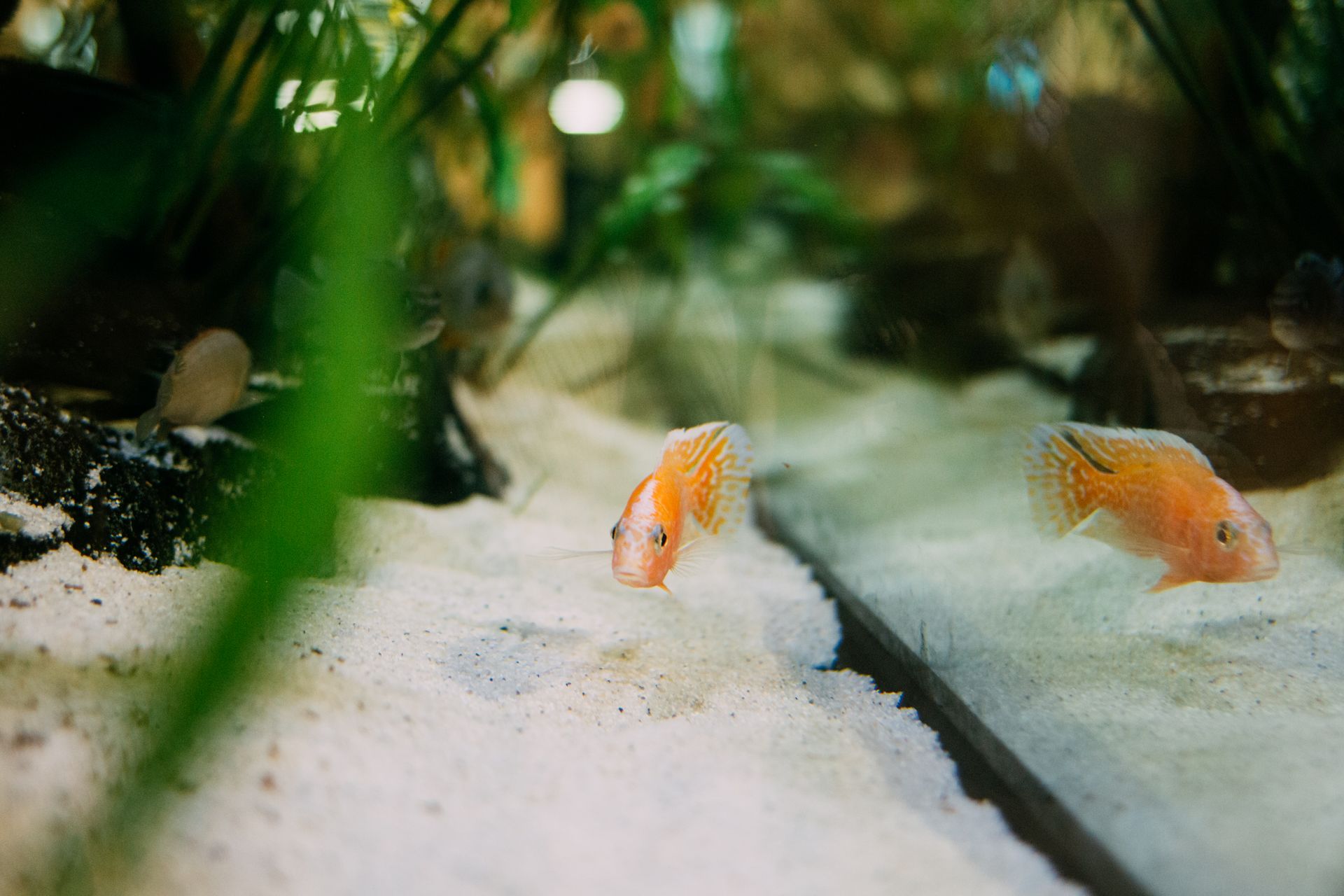
A densely planted tank will provide your fish with a sense of security and plenty of hiding spots. You can use plants like Java fern, Anubias, and Amazon swords.
To enhance the natural look of your aquarium, consider adding some hiding spots like driftwood, rocks, or caves.
A dark, fine-grained substrate, such as sand or fine gravel, is ideal for Black Phantom Tetra fish. This will not only help mimic their natural environment but also make their colors stand out even more.
Here's a quick rundown of the essentials to include in your tank:
- Live or artificial plants
- Hiding spots (driftwood, rocks, or caves)
- Dark, fine-grained substrate (sand or fine gravel)
Care
Caring for your Black Phantom Tetras is a breeze, as long as you follow a few simple guidelines. They thrive in freshwater environments with rich vegetation and clear water.
To keep your tank clean and healthy, perform regular water changes of 25% to 50% every two weeks. This will help maintain optimal water conditions for your fish. The frequency of water changes depends on the tank size and population.
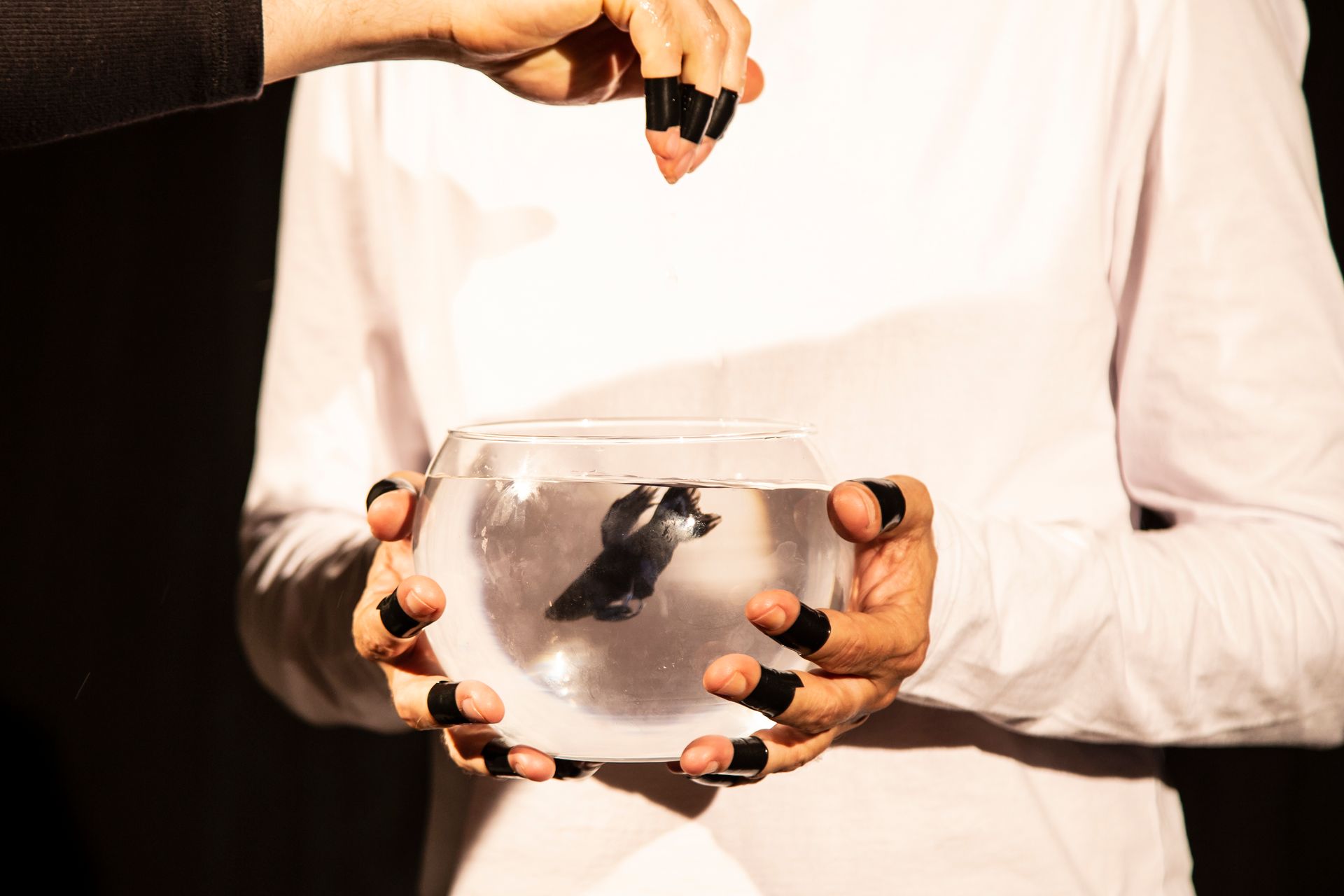
Black Phantom Tetras can withstand a variety of water conditions, but it's best to avoid hard water or acidic water, as it can affect their health. Be cautious when introducing new fish or decorations to the tank, and test them in a separate tank before adding them to your pets.
To ensure the health and longevity of your Black Phantom Tetras, maintain stable water conditions. This includes keeping the temperature between 72°F and 82°F (22°C to 28°C), pH level between 6.0 and 7.5, and water hardness between 5-12 dGH.
Here are the ideal water parameters for your Black Phantom Tetras:
By following these guidelines, you'll be well on your way to creating a happy and healthy environment for your Black Phantom Tetras. Remember to monitor your tank's water parameters regularly using a reliable aquarium test kit.
Breeding and Reproduction
Breeding and reproduction of Black Phantom Tetras is a fascinating process. Black Phantom Tetras are an egg-scattering species, meaning they scatter their eggs randomly among plants or on other surfaces in the aquarium.

To breed them successfully, you'll need to remove the adult fish from the breeding tank after spawning to protect the eggs from being eaten. The eggs will typically hatch within 24-48 hours, and the fry will remain attached to the plants or spawning mops for a few more days.
It's essential to perform regular, small water changes to maintain water quality and promote fry growth and development. You should also monitor the fry's growth and adjust their diet accordingly, starting with infusoria or fry food and gradually introducing freshly hatched brine shrimp and crushed flake food.
Here are some key breeding tips to keep in mind:
- Parental removal: Remove the adult fish from the breeding tank after spawning to protect the eggs.
- Incubation period: Expect the eggs to hatch within 24-48 hours.
- Gentle water changes: Perform regular, small water changes to maintain water quality.
- Monitor fry growth: Adjust the fry's diet accordingly as they grow.
How to Breed Red Fish
Breeding red fish, like red and black phantom tetras, requires a specific environment to increase your yield. To protect the eggs from the adults, prepare a breeding tank with slightly acidic pH and a sponge filter for gentle flow.
Condition the adults for breeding by spoiling them with lots of live and frozen foods that will entice their appetites. This will help entice their appetites and encourage them to breed.
The females will deposit their eggs in a large mass of java moss or spawning mops, a layer of marbles as substrate, or a mesh barrier. Be prepared to remove the adults the next morning as soon as the females have deposited their eggs and are visibly slimmer than before.
The tiny newborns must be fed nearly microscopic foods like vinegar eels, green water, and infusoria. After two weeks, they are usually large enough to start eating live baby brine shrimp.
Breeding Tips
Breeding Black Phantom Tetras can be a rewarding experience, but it requires some knowledge and preparation. To increase your chances of success, here are some essential tips to keep in mind:
Parental removal is crucial after spawning. Remove the adult fish from the breeding tank to protect the eggs from being eaten. This will ensure that the eggs hatch safely and the fry can grow without being consumed by their parents.
The incubation period for Black Phantom Tetra eggs is relatively short, typically lasting between 24-48 hours. During this time, the eggs will adhere to plants or spawning mops in the breeding tank.
Perform regular, small water changes to maintain water quality and promote fry growth and development. Always use clean, dechlorinated water of the same temperature as the tank.
Monitor the fry's growth closely and adjust their diet accordingly. Start by feeding them infusoria or fry food, and gradually introduce freshly hatched brine shrimp and crushed flake food as they grow.
Here's a quick summary of the key points to remember:
- Remove adult fish from the breeding tank after spawning.
- Expect eggs to hatch within 24-48 hours.
- Perform regular, small water changes to maintain water quality.
- Monitor fry growth and adjust their diet accordingly.
Compatibility and Aggression
Black Phantom Tetras are generally peaceful fish, but they can exhibit territorial behavior, especially males. They may engage in mock fights, which can result in small tears in the fins, but these heal quickly.
To avoid any conflicts, it's essential to choose tank mates that are peaceful and won't outcompete the Black Phantom Tetra for food. Some ideal tank mates include other small, peaceful freshwater fish species, such as Green Neon Tetras, Congo Tetras, and Rasboras.
Here are some tank mates to consider: Other tetra speciesRasborasCorydoras catfishSmall daniosDwarf gouramisPlatiesGuppies
Avoid keeping Black Phantom Tetras with aggressive or overly large species, as this can stress or harm them. Some tank mates to avoid include Cichlids, larger predatory fish, and fin-nipping species.
Are Aggressive?
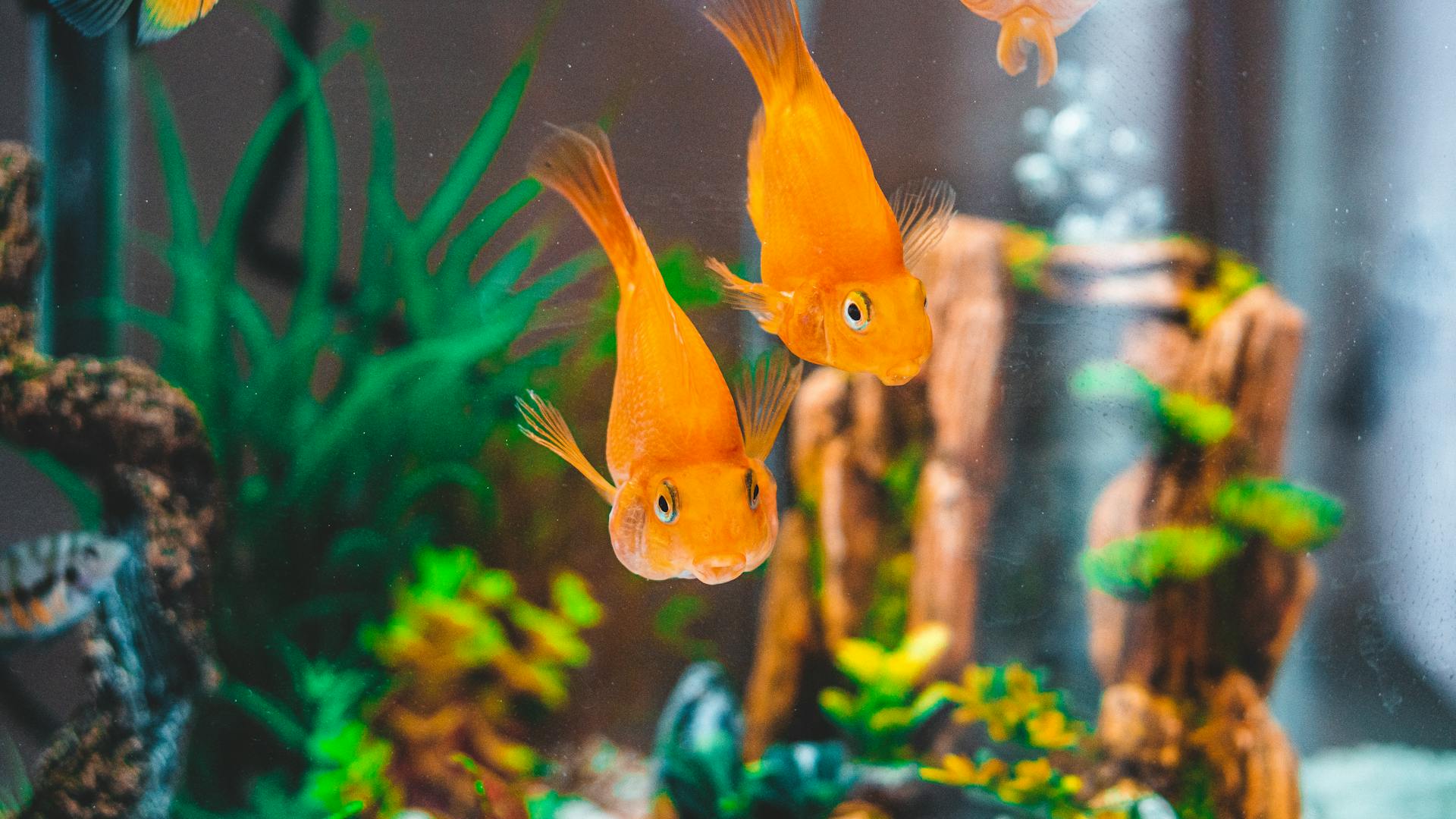
Black Phantom Tetras are not inherently aggressive fish, but they do exhibit curious and playful behavior. They can engage in mock fights, which can result in small tears in the fins, but these are superficial and heal quickly.
Males of the species will extend their fins to assert dominance, making them appear larger than they are. This can be intimidating for other fish, especially if they're larger or more aggressive.
In fact, it's best to keep Black Phantom Tetras away from bigger fish or those that are aggressive, as they can feel threatened.
However, they're very social and can get along with many other fish, including Red Phantom Tetras, Rasboras, Gouramis, Cichlids (except for some dwarf species), and Danionins.
Some tank mates to avoid include Cichlids (except for some dwarf species), larger predatory fish, and fin-nipping species like Tiger Barbs and Serpae Tetras.
To limit fin nipping, it's recommended to keep at least 10 Black Phantom Tetras together.
Here's a list of recommended tank mates for Black Phantom Tetras:
- Red Phantom Tetra
- Rasboras
- Gouramis
- Cichlids (except for some dwarf species)
- Danionins
Compatible Fish Species
Black Phantom Tetras are a great choice for community aquariums, and they can thrive with the right tank mates. They coexist well with other small, peaceful freshwater fish species that share similar water requirements.
Some ideal tank mates for Black Phantom Tetras include other tetra species, such as Green Neon Tetras, Congo Tetras, and Rosy Tetras. These fish are all peaceful and can be kept in a community tank with Black Phantom Tetras.
Rasboras are also a great choice for tank mates, as they are peaceful and can harmonize well in a community tank. Corydoras catfish are another good option, as they are bottom dwellers and won't compete with Black Phantom Tetras for food.
Small danios, dwarf gouramis, platies, and guppies are also suitable tank mates for Black Phantom Tetras. These fish are all peaceful and can be kept in a community tank with Black Phantom Tetras.
Here are some specific tank mate options for Black Phantom Tetras:
- Other tetra species (e.g., Green Neon Tetras, Congo Tetras, Rosy Tetras)
- Rasboras
- Corydoras catfish
- Small danios
- Dwarf gouramis
- Platies
- Guppies
Remember to always introduce new fish gradually and monitor their interactions to ensure a peaceful environment.
Water Parameters and Conditions
Black Phantom Tetra care requires a good understanding of water parameters and conditions. A 20-gallon tank or larger is recommended, as these Tetra benefit from some more swimming room.
Maintaining ideal water conditions is crucial for their health and well-being. The ideal temperature range for Black Phantom Tetra is 72°F to 82°F (22°C to 28°C), which helps promote their natural behavior and vibrant coloration.
Regular water changes (about 25% per week) are essential to maintain good water quality. This helps prevent the buildup of toxins and keeps the water clean and well-oxygenated.
Black Phantom Tetra prefer slightly acidic to neutral water, with a pH range of 6.0 to 7.5. A pH of around 6.8 seems to suit them well, but it's essential to use a reliable aquarium test kit to regularly monitor these water parameters.
Water hardness should be soft to moderately hard, with a general hardness (GH) of 5 to 12 dGH. This range allows for the best adaptation of the fish.
Here's a summary of the ideal water parameters for Black Phantom Tetra:
By keeping a close eye on these parameters, you can ensure the health and well-being of your Black Phantom Tetra.
Facts and Overview
The black phantom tetra is a relatively small fish, measuring around 1.75 to 2 inches in length. They have a calm and peaceful temperament, making them a great addition to a community tank.
These fish are omnivores, which means they eat both plant and animal matter. They thrive in freshwater environments with plenty of vegetation, especially floating plants and clear water.
Black phantom tetras can live up to five years in captivity, but their lifespan can be shortened if their aquarium is not suitable for their needs. They require a minimum tank size of 10 gallons and a freshwater setup with plants.
Here's a breakdown of the key characteristics of the black phantom tetra:
Black phantom tetras are relatively affordable, with prices ranging from $3 to $4.50 in pet stores and online.
Frequently Asked Questions
Are Black Phantom Tetras hardy?
Yes, Black Phantom Tetras are a hardy species, making them a great choice for community aquariums. Their robust nature allows them to thrive in a variety of aquatic environments.
Are Black Phantom Tetras good for beginners?
Yes, Black Phantom Tetras are suitable for beginners due to their ease of care. They're a great choice for those new to aquarium-keeping.
Featured Images: pexels.com