The Black-Headed Grosbeak is a stunning bird species found in North America, known for its vibrant plumage and distinctive song.
They are typically 6-7 inches in length and weigh between 1.5-2 ounces.
These birds are known for their unique black head and breast, with a yellow belly and a distinctive song that sounds like a series of whistled notes.
In terms of habitat, Black-Headed Grosbeaks can be found in a variety of environments, including forests, backyards, and even urban areas.
They are primarily insectivores, feeding on insects and spiders to feed their young.
Physical Description
The black-headed grosbeak is a bird with some striking physical characteristics. They have a distinctive grosbeak bill, which is large, conical, and straw-colored.
Both males and females have yellow wing linings, but that's about where the similarities end. The female has a more subdued color palette, with brown to dark grey feathers, a striped head, back, and sides, and a paler bill.
Males, on the other hand, are a bit more flashy, with white patches on their wings, a black and white tail, and a black head with bright orangish-brown underparts and red legs.
Here are some key physical measurements for the black-headed grosbeak:
- Length: 15 to 20 cm (5.91 to 7.87 in)
- Wingspan: 30 to 33 cm (11.81 to 12.99 in)
- Weight: 38 to 54 grams (1.34 to 1.90 oz)
It's worth noting that the black-headed grosbeak is similar in size to a common starling, and their wingspan is around 32 cm (12.6 inches).
Habitat and Distribution
The black-headed grosbeak is a bird that loves to live in deciduous and mixed wooded areas. It prefers large trees and thick bushes, such as patches of broadleaved trees and shrubs within conifer forests, including streamside corridors, river bottoms, lakeshores, wetlands, and suburban areas.
They can be found in western North America, from the Pacific to the eastern foothills of the Rocky Mountains. Black-headed grosbeaks are native birds of Western Canada and the Western United States, and they're also found in Mexico.
In terms of elevation, they can be found up to 2,743 meters above sea level. This bird species prefers deciduous and broad-leaved evergreen woods, nesting in thickets on the edges of open woods, ponds, swamps, or streams, or in small trees.
If you're in their range, look for black-headed grosbeaks in deciduous trees and open woodlands, but they're usually willing to stop by backyards during spring and fall migration. They tend to seek out berry-rich areas after the breeding season.
Here are some key facts about the habitat and distribution of black-headed grosbeaks:
- IUCN Red List least concern species
- Birds of Mexico
- Native birds of Western Canada
- Native birds of the Western United States
- Biogeographic Regions: nearctic and neotropical
Behavior and Diet
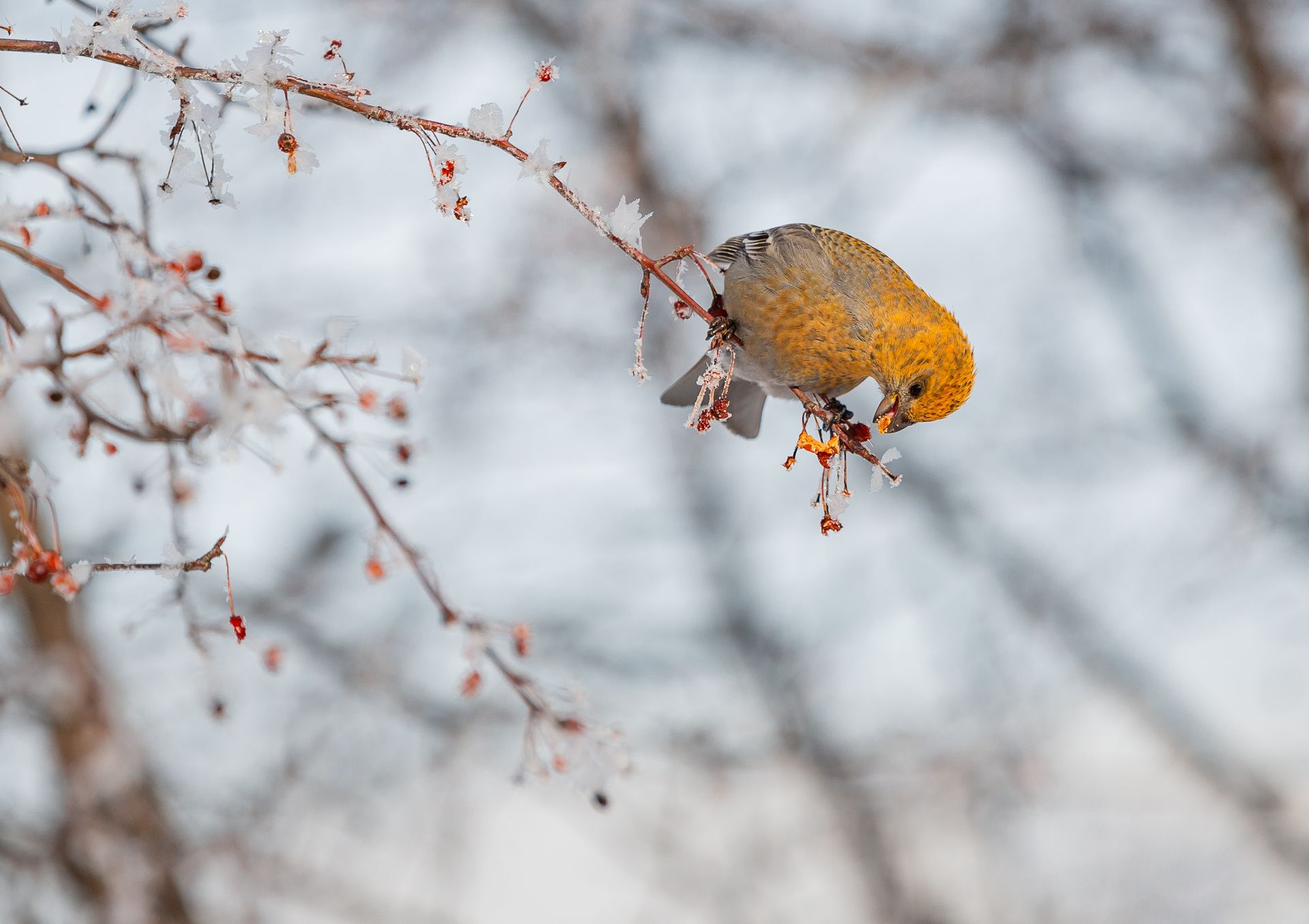
Black-headed grosbeaks are voracious fruit eaters, enjoying poison oak berries and other fruits like cherries, crabapples, elderberries, and raspberries.
Their strong beaks give them an advantage when it comes to cracking open tough shells, including snail shells and the shells of seeds.
Black-headed grosbeaks will eat insects like beetles, grasshoppers, and butterflies, including the toxic monarch butterfly, which they can eat safely by waiting a few days between snacking sessions.
These birds are also known to eat seeds, including black oil sunflower seed, which is a great option for attracting them to your yard.
In the summer, black-headed grosbeaks will eat a wide variety of insects, including caterpillars, wasps, bees, flies, moths, and spiders.
To attract black-headed grosbeaks to your yard, offer seed in a large feeder like a hopper or platform feeder, and consider adding fruiting trees and bushes like crabapple, elderberry, and raspberry.
Song
The Black-headed Grosbeak's song is a beautiful thing. It's been described as similar to an American Robin's, but at a faster pace.
Both males and females sing, which is unusual for songbirds. The male's song is primarily used to defend a territory or attract a female.
The female's song is often a shortened version of the male's, but sometimes she'll sing a full, male-like song. This might be her way of getting her mate's attention.
Their song has a flute-like quality, described as a constantly changing series of notes, or a warble. It's a sound that's hard to forget once you've heard it.
The Black-headed Grosbeak's call is a crisp pik, sharp eek, or tick sound. You can listen to recordings of their songs and calls online to get a better sense of their unique vocalizations.
Conservation and Predation
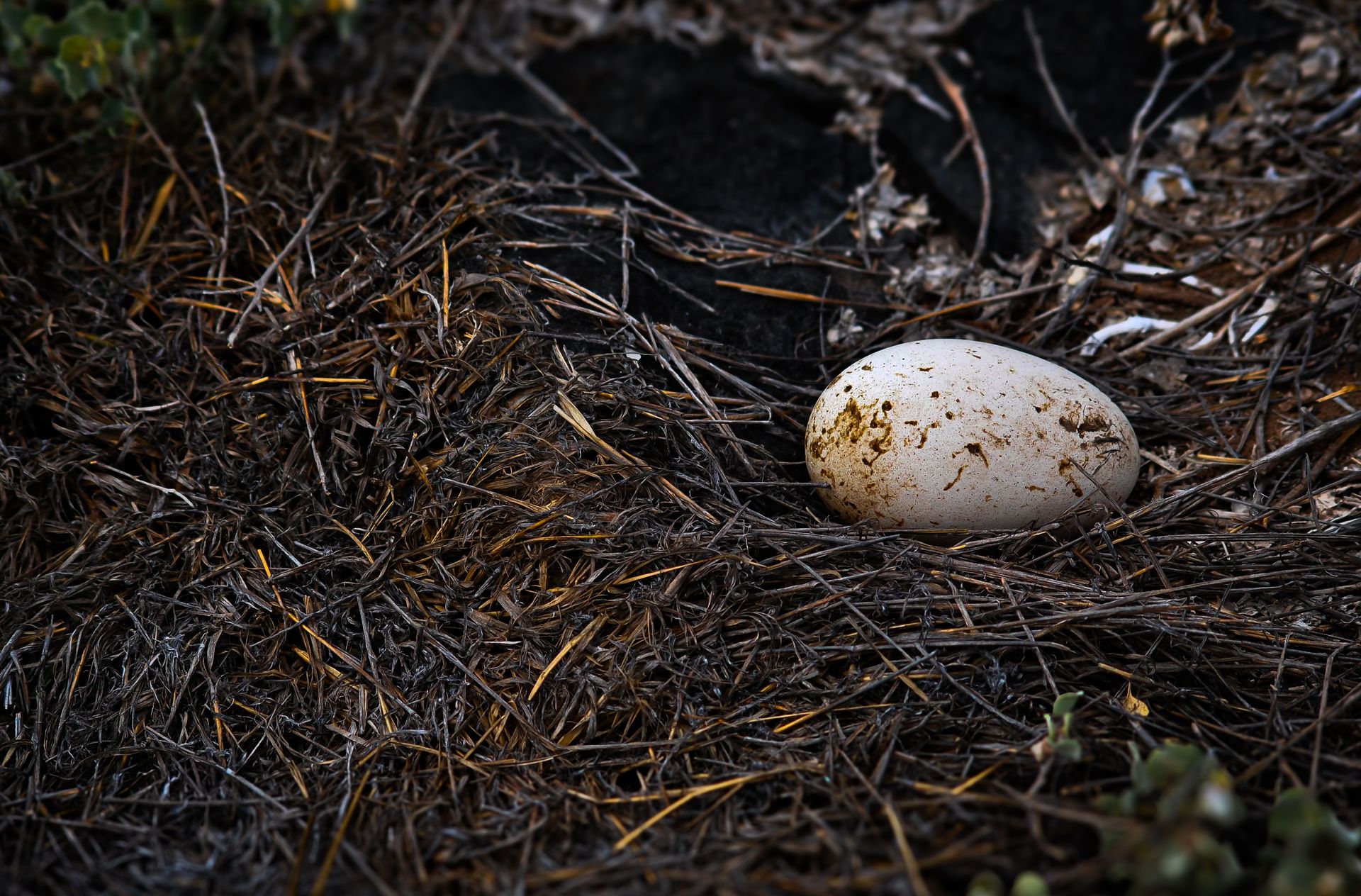
Predation is a major concern for black-headed grosbeaks, with eggs and nestlings being taken by a variety of predators, including western scrub-jays, magpies, snakes, and rock squirrels.
Parent birds aggressively defend their nests against predators, using their sharp, large beaks to attack egg predators.
Domestic and feral cats have also been known to eat adult black-headed grosbeaks, highlighting the importance of protecting these birds from predators.
Predation
Predation is a natural process that affects many bird species, including the black-headed grosbeak. Domestic and feral cats have been known to eat adult birds.
Eggs and nestlings are particularly vulnerable to predators, which include birds like western scrub-jays and magpies, as well as mammals like rock squirrels and deer mice.
Snakes, chipmunks, striped skunks, raccoons, and weasels are also known to prey on black-headed grosbeak eggs and nestlings. Aggressive nest defense is a key strategy employed by parent birds to protect their young.
Parent birds attack egg predators with their sharp, large beaks, which helps to deter predators and protect their nests.
Conservation Status
The Black-headed Grosbeak is a bird species that's doing well in terms of conservation. Its conservation status is listed as Least Concern by the IUCN Red List.
It's protected under the United States Migratory Bird Treaty Act, which is a major plus for its well-being. This protection helps safeguard its populations and habitats.
Here's a breakdown of its conservation status:
- IUCN Red List: Least Concern
- US Migratory Bird Act: Protected
- US Federal List: No special status
- CITES: No special status
This protection is crucial for the species' survival, especially considering its wide range in the Nearctic biogeographic province, which includes parts of North America and Greenland.
What Do They Look Like?
Black-headed Grosbeaks are chunky birds, measuring about 8½ inches in length, and are fairly large for songbirds.
Their bills are thick, large, and triangular or conical in shape, with the top being slightly darker than the bottom half.
Males have solid black heads, black wings with bright white wing bars and patches, and deep-orange chests.
Females, on the other hand, have brown backs with dark streaking, brown wings with white wing bars, and light-brownish yellow or light-orange chests.
Take a look at this: Black and Brown Goldendoodle
Both males and females have yellow underwing linings that can be seen during flight.
Here's a comparison of the physical characteristics of male and female Black-headed Grosbeaks:
Black-headed Grosbeaks are also known for their distinctive grosbeak bill, which is large, conical, thick, and straw-colored.
General Information
The Black-headed Grosbeak is a chunky, distinctive songbird found throughout western North America.
The male's bright cinnamon nape, back, and underside are a striking sight, contrasting with his black head and white wings. The female, on the other hand, lacks the male's dark head and is patterned in quieter shades of buff and brown.
The Black-headed Grosbeak's big beak is a notable feature, not just for its size, but also for its ability to crack large seeds and hard-bodied insect prey.
Frequently Asked Questions
What does it mean when you see a grosbeak?
Seeing a rose-breasted grosbeak is believed to be a spiritual sign, associated with protection, support, and a divine presence. It's said to indicate that ancestors or spirit guides are watching over you.
What is the difference between Rose-breasted Grosbeaks and Black-headed Grosbeaks?
Distinguishing between Rose-breasted and Black-headed Grosbeaks can be challenging, but look for the female/immature Black-headed Grosbeak's buffy-orange underparts and buffier eyebrow. This subtle difference is key to identifying these two bird species
Featured Images: pexels.com