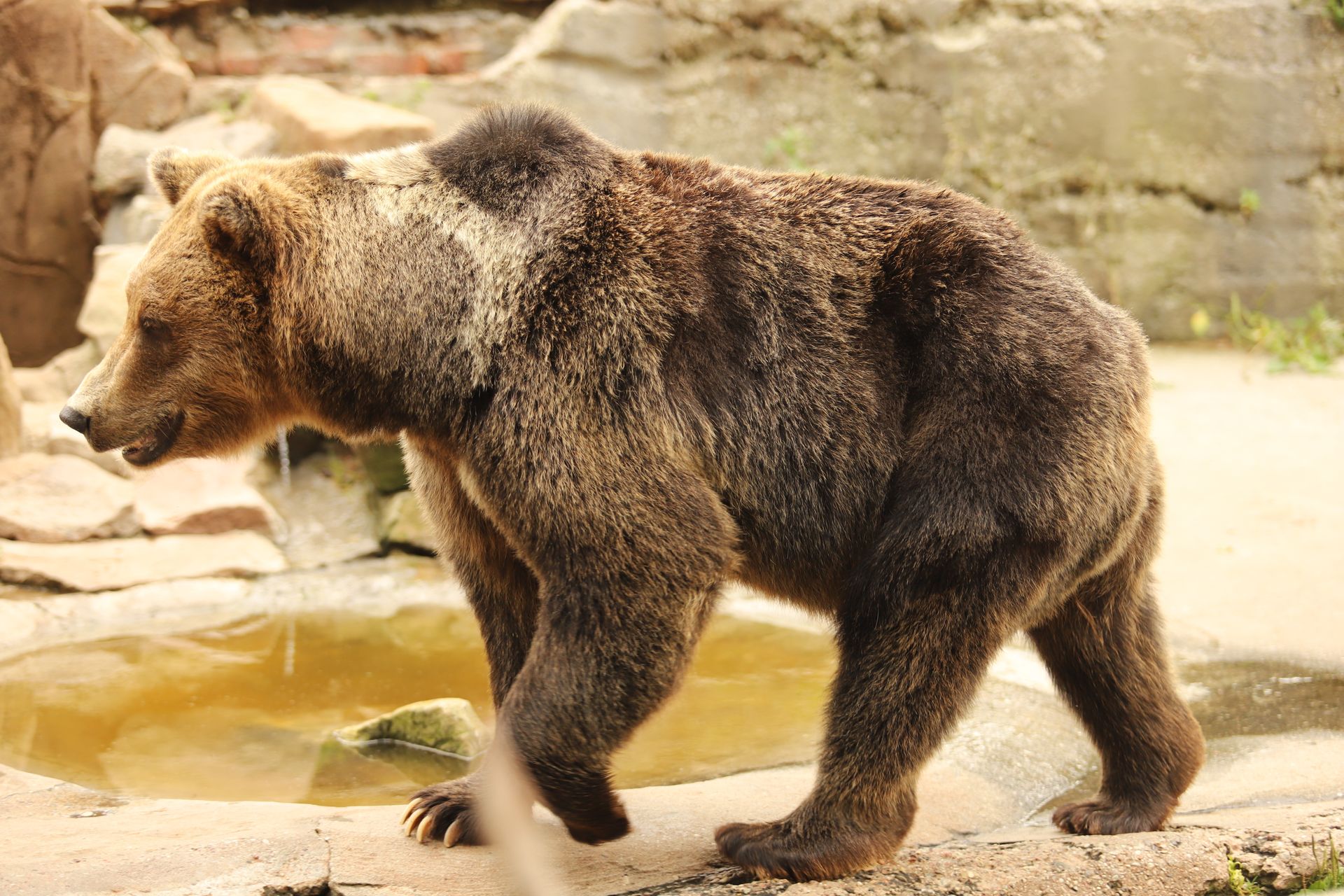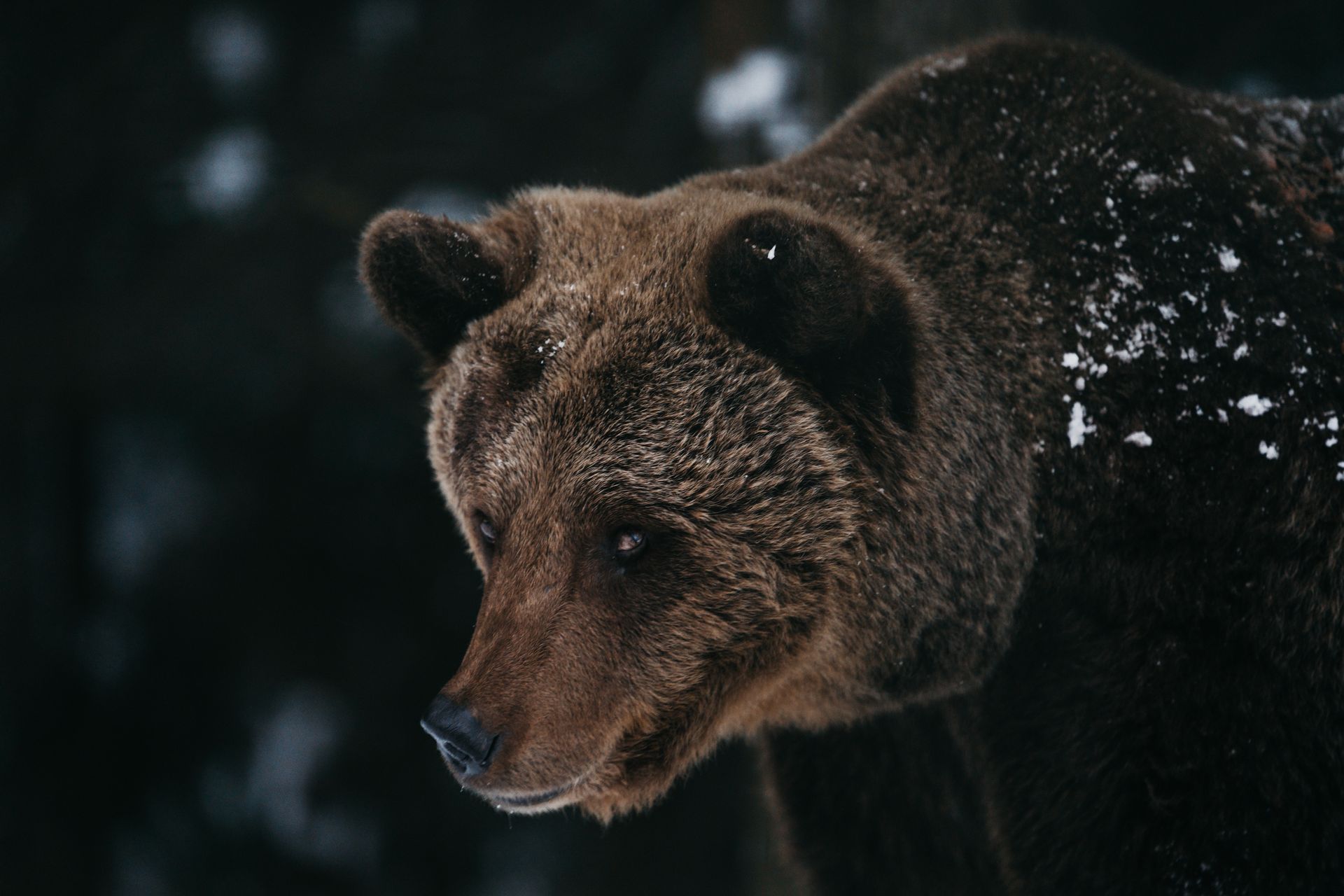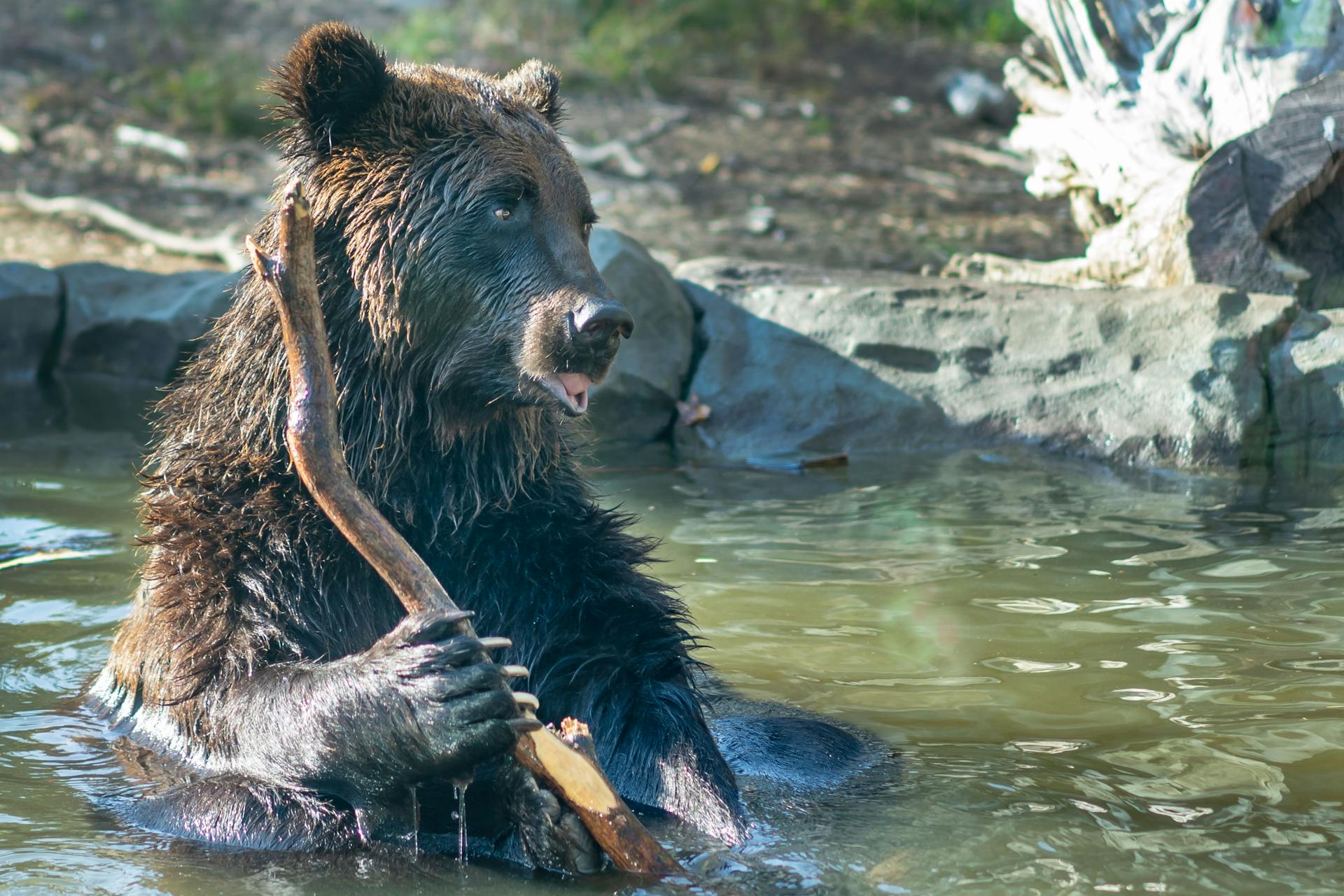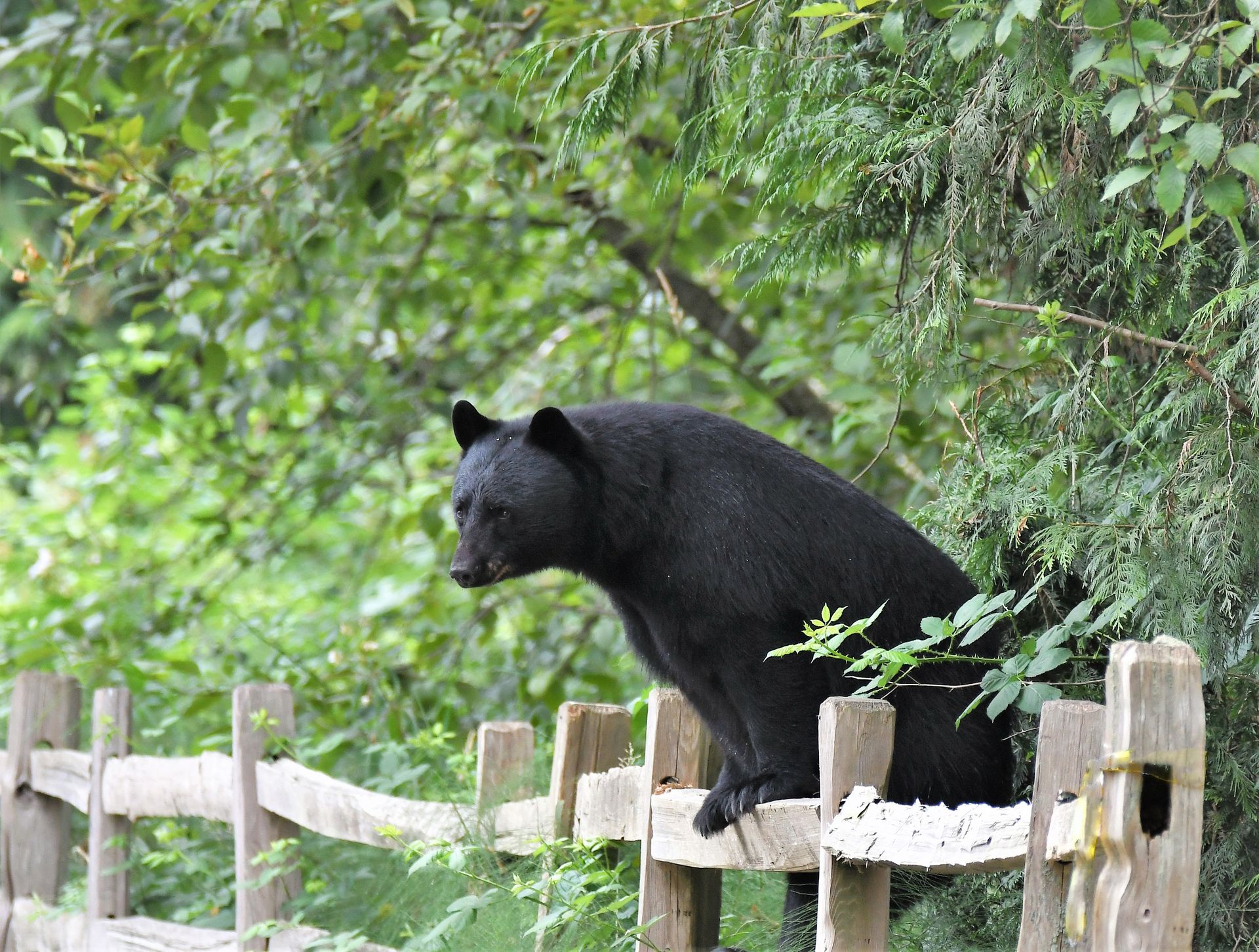
The Growing Black Bear Population in California is a complex issue with far-reaching implications. California's black bear population has been steadily increasing over the past few decades, with estimates suggesting a growth rate of 5-7% per year.
This growth can be attributed to various factors, including habitat expansion and the availability of food sources. In particular, the Sierra Nevada mountains have seen a significant increase in bear sightings, with many residents reporting encounters in their backyards and neighborhoods.
Black bears are highly adaptable creatures, able to thrive in a variety of environments. They are omnivores, feeding on a diverse diet that includes berries, nuts, and insects, as well as smaller mammals and carrion.
As the bear population continues to rise, so do concerns about human-bear interactions. In recent years, there have been several instances of bears entering residential areas in search of food, leading to conflicts with humans.
Conservation Challenges
California's black bear population faces numerous conservation challenges.
Human-bear conflicts are on the rise due to increasing bear sightings in urban areas, with a notable 50% increase in the past decade.
A key factor contributing to this trend is the expansion of suburban development into traditional bear habitats.
The California Department of Fish and Wildlife estimates that the state's black bear population has grown from approximately 10,000 in 1990 to over 30,000 today.
Human Wildlife Conflict
Human Wildlife Conflict is a pressing issue that affects many areas. Human development is destroying forest corridors, pushing bears out of the woods and into neighborhoods.
Food left out or easily accessible is a major contributor to this conflict. Black bears are opportunistic omnivores that can quickly become habituated to human food.
Car strikes on mountain roads are becoming more prevalent, killing or orphaning black bears. This is a tragic result of human wildlife conflict.
Wildfires force bears out of the woods and into neighborhoods, increasing the likelihood of conflict. This is a devastating consequence of human activities.
Climate Change
Climate Change is having a devastating impact on wildlife populations, especially in areas with black bear habitats. Wildfires in these areas are causing bears and other wildlife to become injured.
If a bear's paw pads get burned, they can't walk, making it impossible for them to find food or water. The consequences of this are dire, especially for young cubs who rely on their mothers for survival.
If a mother bear is killed in a fire, it's extremely difficult for her cub to survive on its own. The cub's chances of survival are greatly reduced without its mother's care and protection.
Fires burning through bear habitat are forcing bears and other wildlife out of the mountains at an alarming rate as they desperately search for food or water.
Genetic Monitoring of California's Growing Population
California's growing population is putting pressure on its natural resources, and the state's unique biodiversity is at risk. The state is home to over 4,000 plant and animal species, many of which are found nowhere else on Earth.
The California condor, for example, is one of the rarest birds in the world, with a population of only around 500 individuals. This is due in part to habitat loss and fragmentation, which can lead to isolation and reduced genetic diversity.
Habitat loss and fragmentation are significant threats to California's biodiversity, and genetic monitoring can help identify areas where conservation efforts are needed most. By analyzing genetic data, scientists can track changes in population sizes and identify potential threats to species.
The state's mountain lions, for instance, are being studied through genetic monitoring to understand how their populations are connected and how they interact with other predators. This information can help inform conservation efforts and ensure the long-term survival of these iconic animals.
California Black Bear
The California black bear is a subspecies of the American black bear, with a scientific name of Ursus americanus californiensis.
Males can grow up to 120 cm tall at the shoulder and weigh between 135 to 160 kg, with some individuals reaching up to 270 kg.
Females are slightly smaller, reaching up to 105 cm at the shoulder and weighing around 70 kg, but can also reach up to 160 kg.
The California black bear is found in three regional sub-populations: the North Coast / Cascade population, the Sierra Nevada population, and the Central Western / Southwestern population.
These bears are also found in the Cascade Range of northern California and south central Oregon, and are thought to be geographically separated from the Olympic black bear by the crest of the Klamath Mountains.
The map of California shows areas of suitable black bear habitat, divided into high, medium, and low suitability.
California black bears are densest in forested areas with a wide variety of seral stages, and are also found in mountainous areas, scrub lands, and river and lake areas with fish and fat-rich insects.
The U.S. Forest Service and Yosemite, Kings Canyon / Sequoia National Parks form part of the region.
The estimated state's black bear population in California is around 60,000 and increasing, according to the California Department of Fish & Wildlife.
The average life span of a California black bear in the wild is 18 years.
California black bears are omnivorous, with the bulk of their diet coming from plants and insects, including grass, berries, buds, flowers, nuts, grubs, insects, honey, fish, and small mammals.
The mating season for California black bears is in June and July, and pregnant females give birth in the den around the beginning of February to between one and four cubs.
The cubs will remain with their mother for about one and a half years, during which time she will not become pregnant again.
California black bears are adversely affected by habitat loss, conflict with humans, hunting, and climate change.
Featured Images: pexels.com