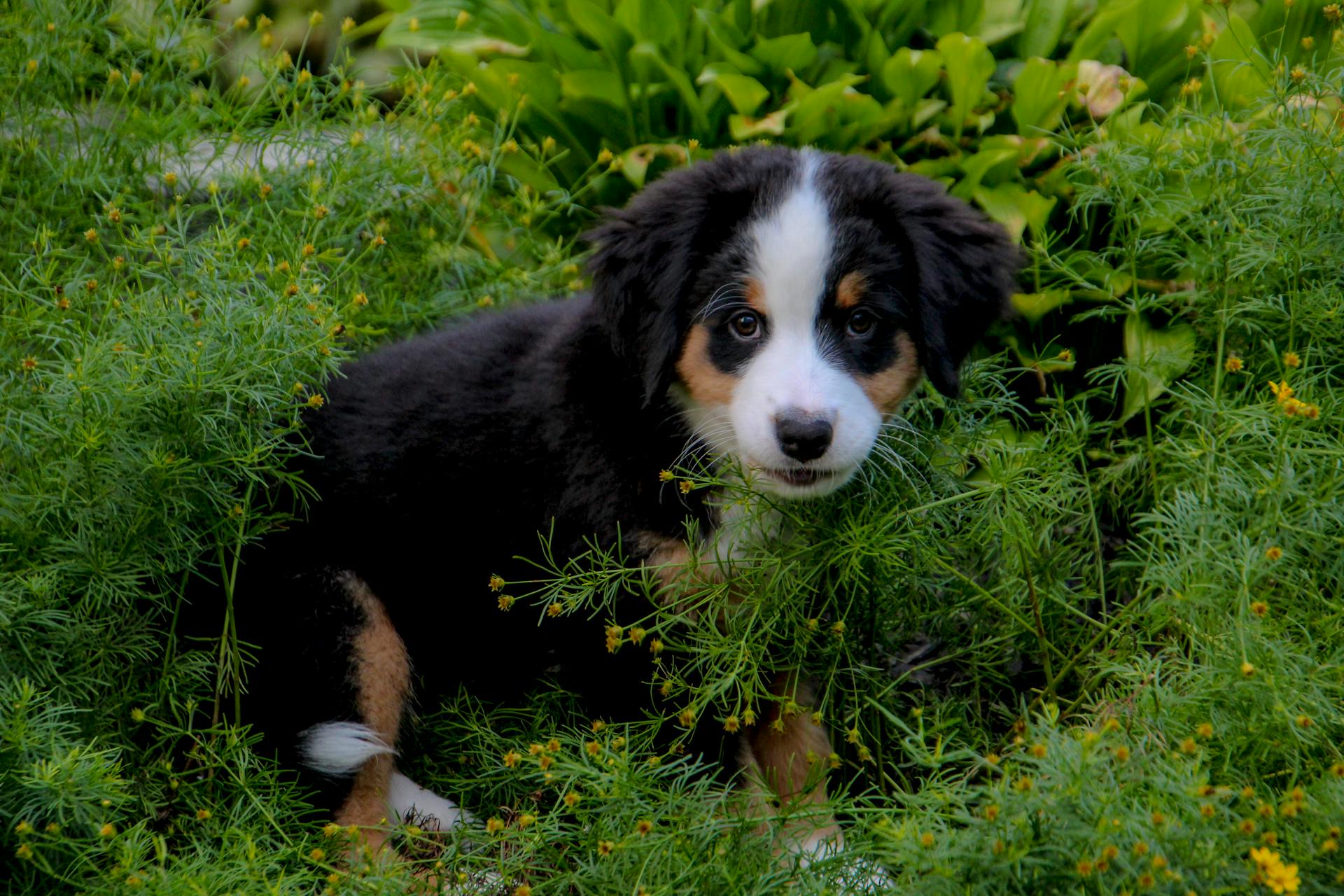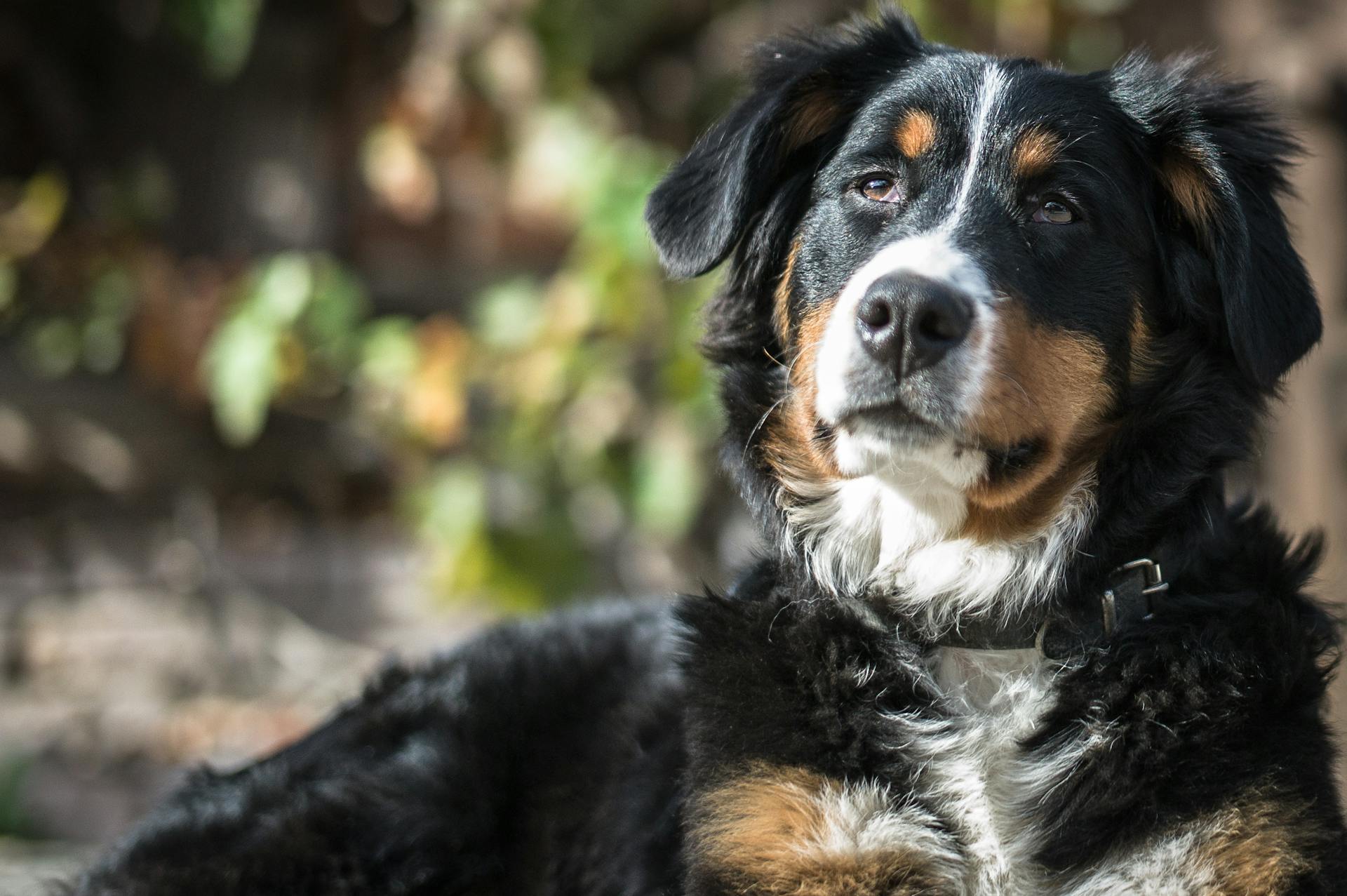
Black and white Bernedoodles are a stunning combination of a Bernese Mountain Dog and a Poodle, typically weighing between 60-80 pounds and standing 20-24 inches tall.
Their unique coloring is due to the genetic combination of their parent breeds, with black and white being the most common pattern.
These dogs require regular grooming to prevent matting and tangling of their fur, which can be a challenge for some owners.
Black and white Bernedoodles are known to be intelligent and easy to train, making them a great choice for first-time dog owners.
With proper care and attention, they can live up to 12-15 years, providing a loyal companion for many years to come.
General Information
Black and white Bernedoodles are a unique and adorable breed. They're a cross between a Bernese Mountain Dog and a Poodle, typically a Standard Poodle.
Their coat is one of their most distinctive features, with a mix of black and white colors. This coat pattern can vary in terms of the amount of white and black, but it's a common sight in this breed.
Black and white Bernedoodles are generally friendly and outgoing, making them great family pets.
Readers also liked: Shih Tzu Terrier Mix Black and White
What Is a Bernedoodle?
The Bernedoodle is a crossbreed dog that originated in Canada in 2003, specifically created by breeder Sherry Rupke. It's a mix of the Bernese mountain dog and the standard poodle.
This unique combination of breeds resulted in a loving pup with the gentle nature of the Bernese mountain dog and the intelligent, loyal attitude of the standard poodle. Bernedoodles often exhibit an even split of genetics between their parents, showcasing Bernese mountain dog markings and the short, curly fur of the standard poodle.
There's no breed standard for Bernedoodles since they're a crossbreed, so the exact characteristics can vary depending on their parents and the breeder's specifications.
For your interest: Bernedoodle Standard
History
The Bernedoodle was first intentionally bred in 2003 by Sherry Rupke, breeder and owner of SwissRidge Kennels in Ontario, Canada.
Rupke's goal was to create an ideal companion dog that was calm, affectionate, loyal, and highly intelligent.
The Bernedoodle is not a purebred breed, but rather a hybrid of a Poodle and a Bernese Mountain Dog.

They are recognized by some organizations, such as the American Canine Hybrid Club, the Designer Dogs Kennel Club, the International Designer Canine Registry, and the Designer Breed Registry.
The Bernedoodle is not show ring-worthy and is not officially recognized by the American Kennel Club.
If you're looking for a Bernedoodle, you don't necessarily need to rely on a breeder, as some rescue groups work with mixes of Poodles and Bernese Mountain Dogs.
Consider reading: American Eskimo Dog Black and White
Coat and Grooming
Black and white Bernedoodles have a beautiful, striking coat that's a combination of their parent breeds. Their coats can vary, but most have a wavy, curly texture that sheds minimally.
Curly coats are a great feature for people with allergies, as they produce less dander. However, they require more frequent brushing to prevent matting.
Daily brushing is essential to prevent painful knots and mats, and to keep their coat looking its best. You'll also need to trim their coat every few months to maintain a neat appearance.
Worth a look: Bernedoodle Coat Types
A low-shedding coat means regular grooming is a must. You should plan to spend time brushing and grooming your Bernedoodle daily, and taking them to a groomer every 6-8 weeks.
Here are some grooming tips to keep in mind:
- Brush your Bernedoodle daily to prevent matting
- Trim their coat every few months to maintain a neat appearance
- Consider taking them to a groomer every 6-8 weeks for a full bath and trim
By following these grooming tips, you'll be able to keep your black and white Bernedoodle's coat looking its best and prevent any potential health issues.
Health and Care
Black and white Bernedoodles are generally healthy dogs, but like all breeds, they can be prone to certain health issues. Hip dysplasia, elbow dysplasia, and eye problems are some of the common health issues that can affect Bernedoodles.
To keep your black and white Bernedoodle healthy, regular exercise and a high-quality diet are essential. Aim for at least two long walks per day and some playtime out in the yard with their toys.
Here are some health issues to watch out for:
- Hip dysplasia
- Elbow dysplasia
- Eye problems
- Hot spots and skin issues
- Von Willebrand disease
Regular grooming is also crucial to prevent matting and tangling of their long, curly coat. Brush your black and white Bernedoodle a few times a week, and consider trimming their coat every few months to keep it looking its best.
Health Needs
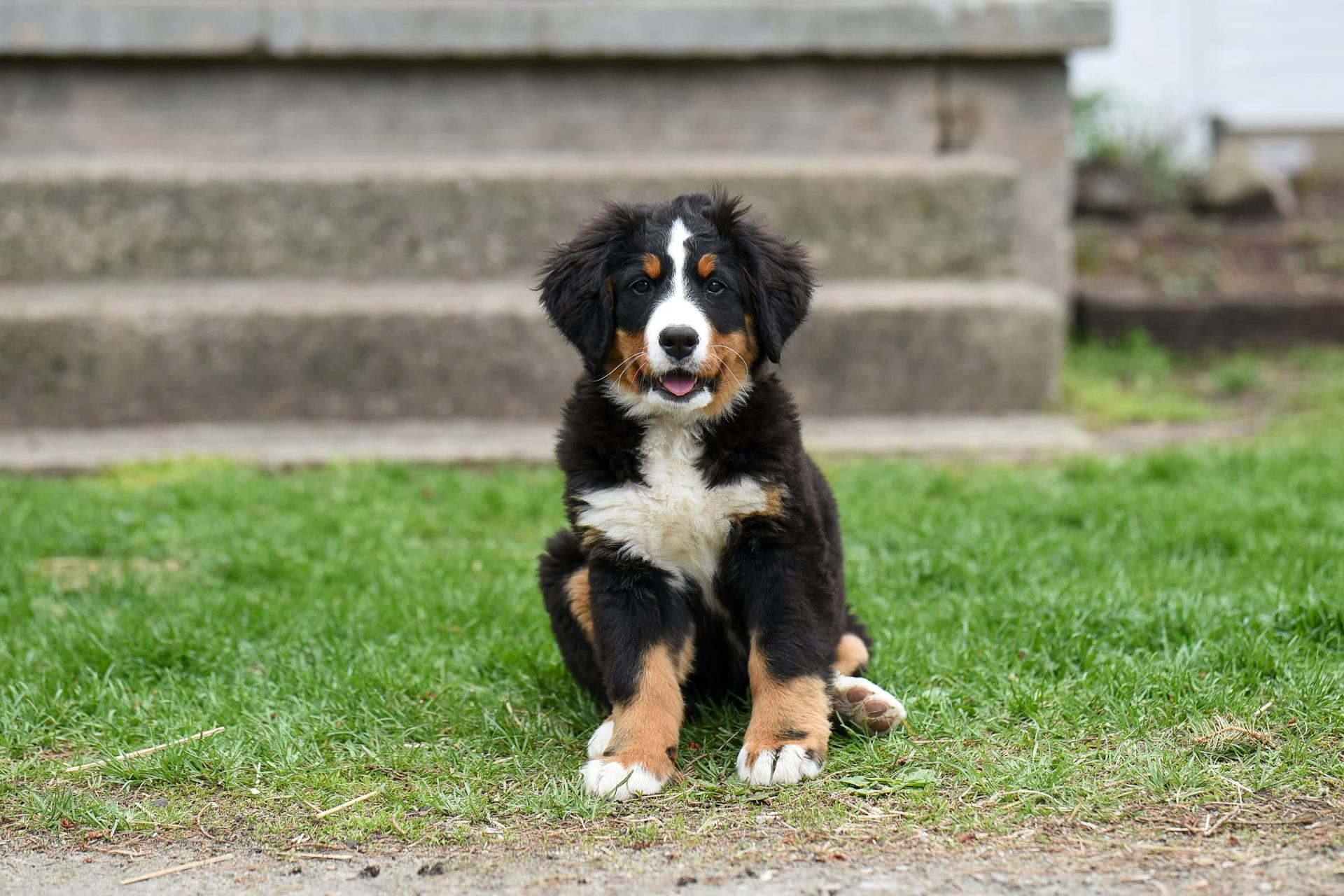
Bernedoodles are generally healthy dogs, but like any breed, they can be prone to certain health issues. Regular veterinary check-ups are essential to catch any potential problems early on.
Hip dysplasia and elbow dysplasia are two common conditions that can affect Bernedoodles, causing arthritis and pain. These conditions are often inherited, so it's essential to work with a reputable breeder who health tests their breeding stock.
Eye problems, such as Progressive Retinal Atrophy (PRA), can also affect Bernedoodles, leading to blindness. Skin issues, including allergies and hot spots, are another common problem, often caused by their dense and curly coat.
To keep your Bernedoodle healthy and happy, you'll need to brush their coat regularly, especially if it's curly. This will help prevent matting and tangling, reducing the risk of skin issues.
In addition to regular grooming, a high-quality diet and plenty of exercise are essential for maintaining your Bernedoodle's overall health. Aim for at least two long walks per day, as well as playtime in the yard with their favorite toys.
Here are some common health issues that can affect Bernedoodles:
- Hip dysplasia
- Elbow dysplasia
- Eye problems (e.g. PRA)
- Skin issues (e.g. allergies, hot spots)
- Von Willebrand's Disease
By being aware of these potential health issues and taking steps to prevent them, you can help your Bernedoodle live a long, happy, and healthy life.
How Long Do They Live?
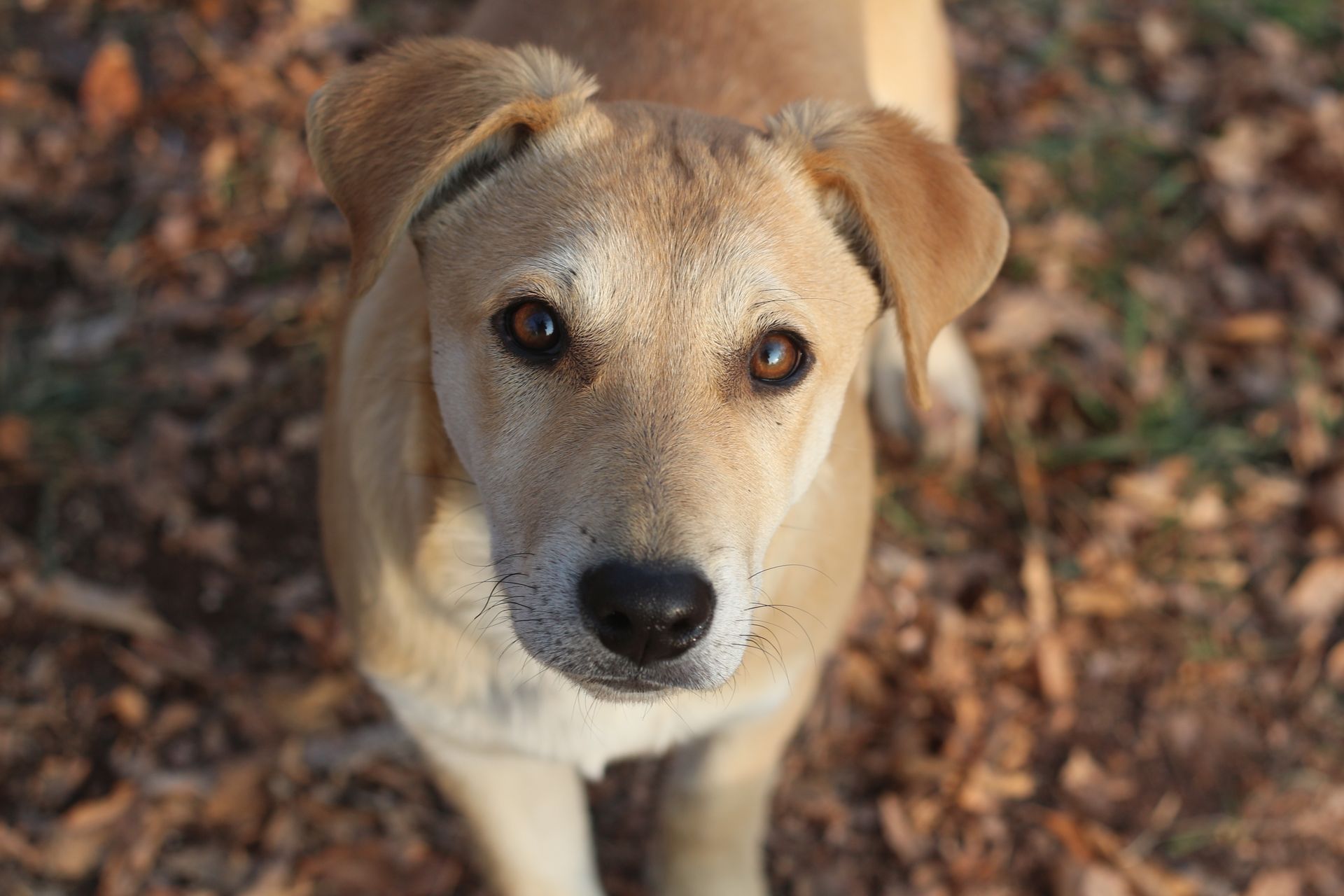
Bernedoodles can live a long and healthy life, with an average lifespan of 12 to 18 years.
Tiny Bernedoodles tend to live longer than their standard-sized counterparts, which is a common trend in larger dog breeds.
Most Bernedoodles experience relatively few breed-related health issues, making them a great choice for many families.
As with most mixed breed dogs, Bernedoodles' lifespans can vary depending on various factors, but 12 to 18 years is a general guideline to expect.
Recommended read: Bernedoodle Breed
Pet Care
Bernedoodles need regular exercise to stay happy and healthy. They're energetic dogs that require at least two long walks per day, and some playtime out in the yard with their toys.
To prevent destructive behavior, it's essential to keep your Bernedoodle physically and mentally stimulated. This can be achieved by providing plenty of toys to play with, especially when you're not around.
Bernedoodles are intelligent dogs that can learn bad habits as easily as good ones, so it's crucial to keep up with training. Early socialization and exposure to other dogs and humans will help keep them well-behaved when meeting new people or pets.
Consider reading: Bernedoodle Toys
A standard Bernedoodle needs a house with a yard or access to outdoor space, while tiny and miniature varieties are perfectly content in apartments. However, all sizes of Bernedoodles are usually satisfied with one long walk a day, 30–45 minutes, depending on their age and size.
To avoid health issues, take your Bernedoodle to the vet regularly, make sure they get lots of exercise, and feed them a high-quality diet. Regular grooming is also essential to prevent matting and tangling of their fur.
Here's a rough guide to Bernedoodle grooming needs:
Bernedoodles are excellent for families with children, though it's essential to make sure children are instructed on how to properly treat animals. They're affectionate and love to play, and they absolutely adore spending time with their families.
To keep your Bernedoodle healthy and happy, provide them with a diet of high-quality wet or dry food split into two or three meals a day, and lots of love from their family.
Are Hypoallergenic?
If you're considering bringing a Bernedoodle into your life, you'll be happy to know they're a great option for those with allergies to pet fur. They generally shed very little, making them a great choice for people with allergies.
However, the straighter a Bernedoodle's coat, the more they shed and the less hypoallergenic they are. This means that Bernedoodles with wavy or curly coats tend to be the best option for those with allergies.
A different take: Great Bernedoodle
Personality
Black and white Bernedoodles are highly intelligent and love to please their owners, making them highly trainable if they feel like listening. They can learn bad habits just as easily as good ones, so early training with patient owners or trainers is crucial.
These dogs are gentle, friendly, and outgoing, making them great family dogs. They are also good with children and other dogs, provided they have been well-socialized.
Bernedoodles are known for being highly affectionate and loving, and they love to receive attention as much as they love to give it. They make strong bonds with their family and will enjoy spending as much time with you as possible simply cuddling, playing, or taking walks.
For another approach, see: Black and White Cattle Dogs
Their loving nature makes them ideal therapy dogs, which aligns nicely with their strong desire for attention. They are eager to please their owners and are comfortable with being touched or petted on any part of the body.
Black and white Bernedoodles need a lot of exercise to burn off their energy, and at least 30-45 minutes of exercise per day is usually sufficient. They are highly active and need to be kept busy, which can lead to disruptive behaviors if they are not suitably occupied.
They love to fetch toys or sticks, swim, and hike, and may even enjoy being outfitted with a backpack on walks to feel like they are "working." This can help curb anxious behaviors when they are at rest.
Living with a Bernedoodle
If you're considering bringing a black and white Bernedoodle into your family, it's essential to understand their needs and temperament. They have a gentle nature and are typically good with kids, but they might play rough with very young children.
To ensure a harmonious household, make sure your children know how to properly interact with dogs and that your Bernedoodle has training. Early socialization is also crucial to prevent any behavioral issues.
Bernedoodles are energetic dogs that need to spend lots of time with their family, as they crave affection and can become anxious when left alone for too long. They require at least two long walks per day and some playtime out in the yard with their toys.
Here are some key considerations for living with a Bernedoodle:
Are with Kids?
Living with a Bernedoodle: Are They Good with Kids?
Bernedoodles have a gentle nature and are typically good with kids. They love to play with children and show affection, though they might play rough with very young children. Overall, if your dog has training and your children know how to properly interact with dogs, this pup will easily blend into a family with children.
It's essential to instruct children on how to properly treat animals, especially with Tiny and Miniature Bernedoodles that may be injured more easily. Early socialization is also crucial to ensure that Bernedoodles stay calm around children and other dogs.
Bernedoodles are very gentle and playful with children, and even make great therapy dogs for kids. Early socialization during their puppy years will ensure that Bernedoodles stay calm around children, strangers, and other dogs. It’s also important that children understand how to properly interact with animals.
If you're considering bringing a Bernedoodle into your family, here are some key things to keep in mind:
- They love to play and show affection
- They might play rough with very young children
- They require training and proper interaction with children
- Early socialization is crucial for calm behavior around children and other dogs
Remember, with proper training and socialization, Bernedoodles can make wonderful additions to families with children.
Are Apartment Dogs?
Living with a Bernedoodle means considering their space needs.
Bernedoodles don't do well in small spaces, so apartments might not be the best fit.
A standard-sized Bernedoodle is too energetic and playful to happily live in a small space.
Miniature or tiny-sized Bernedoodles might work better in apartments, but they still need plenty of time outside to play and space to move around inside.
If you have a small apartment, a Bernedoodle is not the best choice, but if you have a larger apartment or a yard, they can thrive.
A Bernedoodle needs room to run around and exercise, so a small apartment might not be the best fit.
With proper care and attention, a tiny Bernedoodle can live happily in a small apartment.
Check this out: Best Dog Food for Bernedoodle Puppies
Care and Feeding
Black and white Bernedoodles require regular exercise, such as at least two long walks per day and playtime in the yard with toys. This will help prevent destructive behavior and keep them mentally stimulated.
They love being around their humans, so it's best to spend as much time with them as possible, ideally not leaving them alone for more than 8 hours.
To prevent over-exercising, which can lead to hip and elbow issues, a 30-45 minute long walk per day is recommended, depending on their age and size.
Take a look at this: Long Haired Bernedoodle
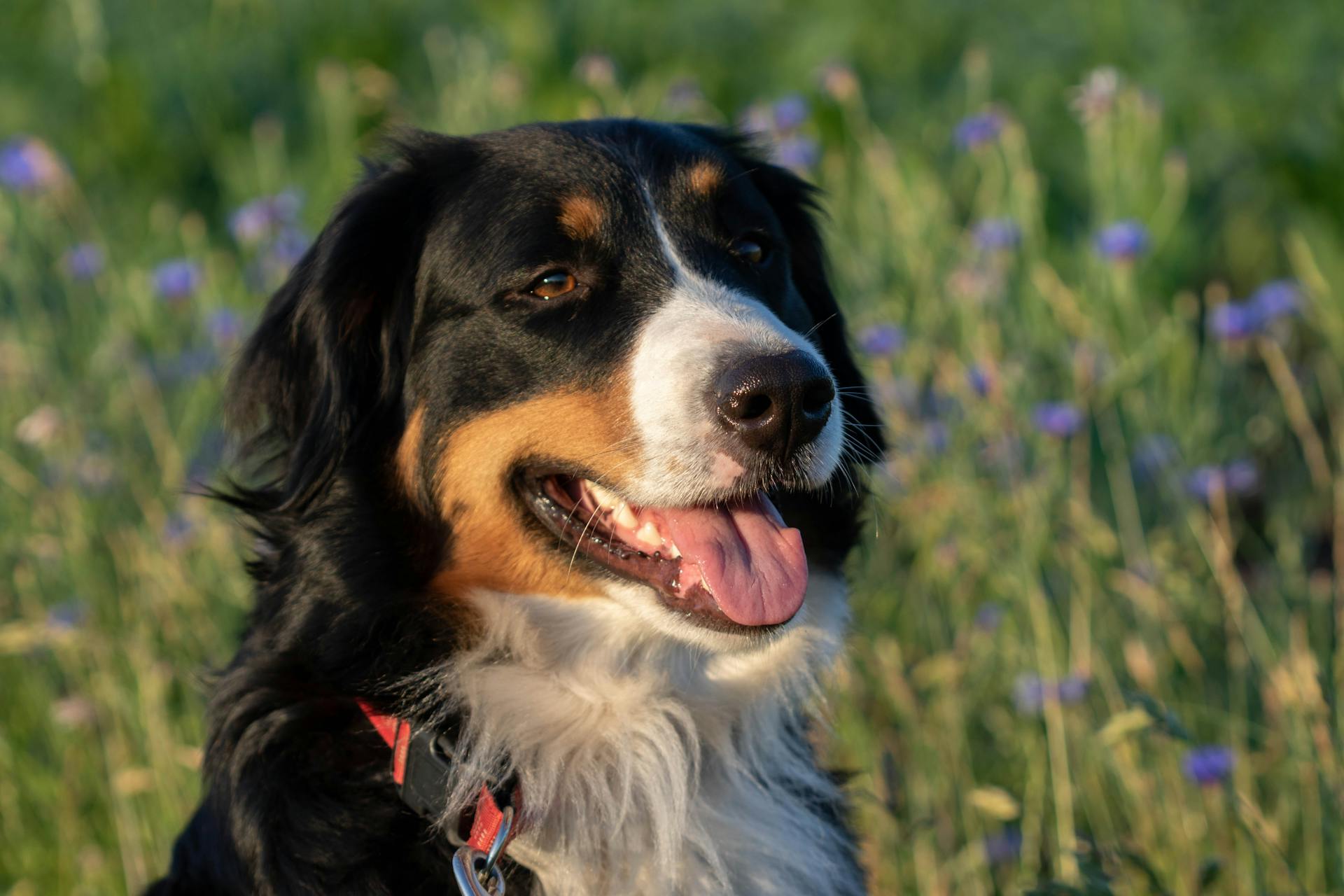
You'll need to brush your Bernedoodle's coat a few times a week, especially if it's curly, and consider regular grooming to prevent matting.
A high-quality, high-meat diet is recommended, with about 1-7 cups of food per day, split into two or three meals, depending on their size and age. Consult with a veterinarian for specific feeding recommendations.
Here's a rough guide to daily food intake for Black and White Bernedoodles:
Care and Feeding
As you welcome a Bernedoodle into your family, you'll want to consider their unique needs. Males are generally larger than females, so keep that in mind when choosing a pet.
To ensure your Bernedoodle gets enough exercise, aim for daily walks of at least 30 minutes. This will help them stay happy and healthy. The Standard Bernedoodle, being the largest of the three sizes, may require more exercise to keep them from getting too restless.
When it comes to feeding, Bernedoodles are prone to obesity, so monitor their food intake carefully. A good rule of thumb is to feed them 2-3% of their body weight per day, divided into 2-3 meals.
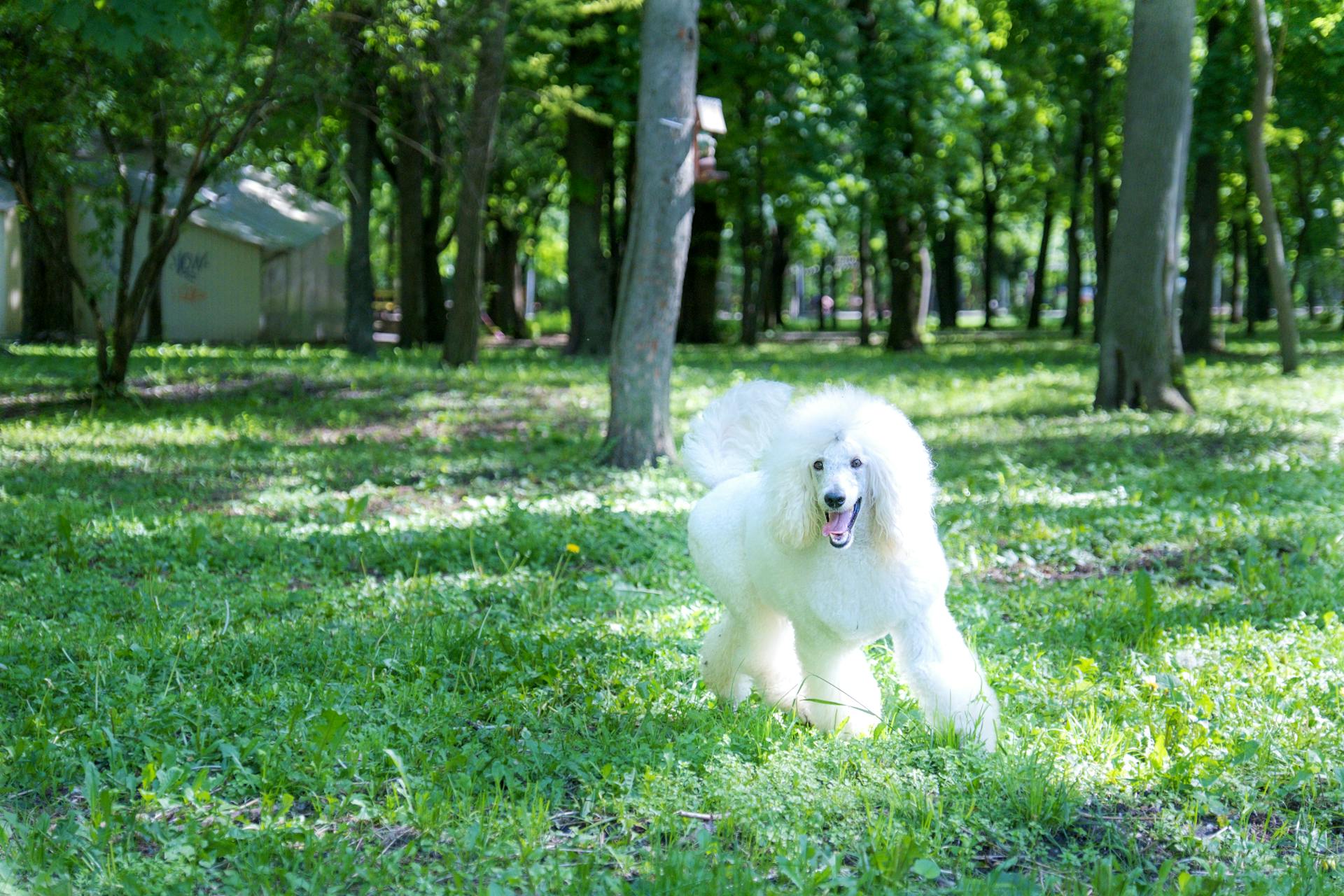
Here's a breakdown of the recommended daily food intake for Bernedoodles of different sizes:
Remember, these are just guidelines, and your Bernedoodle's individual needs may vary. Be sure to consult with your veterinarian to determine the best diet for your pet.
Feeding
Feeding your Bernedoodle requires careful consideration of their individual needs, including size, age, and activity level. A standard Bernedoodle may be a voracious eater, so it's essential to monitor their food intake and weight.
To determine the right amount to feed your Bernedoodle, consult with your veterinarian for dietary recommendations. They will take into account your dog's size, age, and activity level to provide a personalized feeding plan.
Daily food amounts for Bernedoodles can range from 1 to 7 cups, split into two or three meals. For example, a puppy Bernedoodle may require 3-4 cups of food per day, while a fully grown Bernedoodle may need 5-7 cups.
Intriguing read: Mini Bernedoodle Energy Level
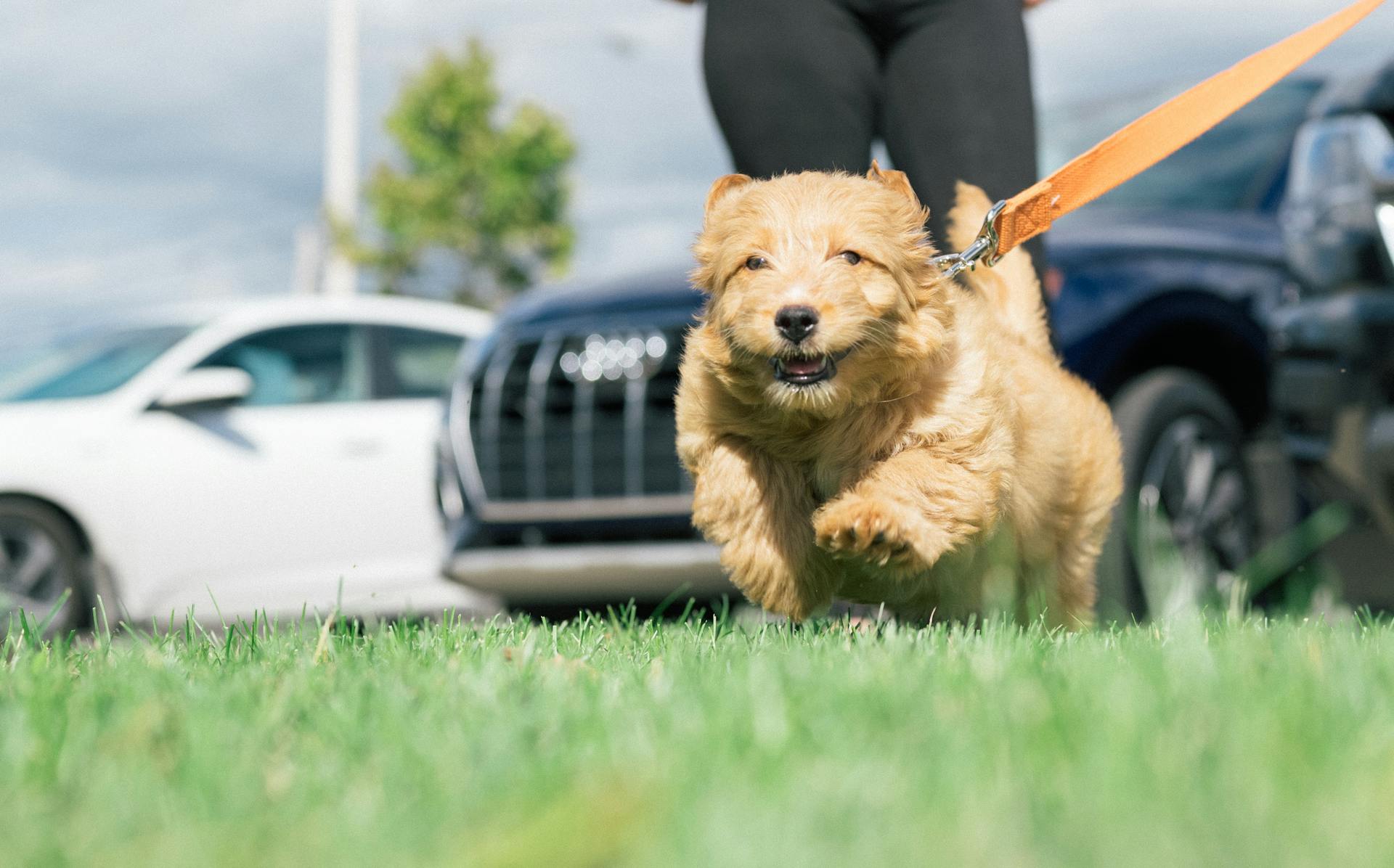
A high-quality dry or wet dog food is a great option for Bernedoodles, and occasional healthy treats can be added to their diet. However, it's essential to monitor their food intake to prevent excessive weight gain, especially for standard Bernedoodles.
Here's a rough guide to daily food amounts for Bernedoodles:
Remember, these are rough estimates, and your veterinarian may recommend a different feeding plan based on your Bernedoodle's individual needs.
Training and Intelligence
Black and white Bernedoodles are a delight to train, thanks to their high intelligence and eagerness to please. They are fast learners and thrive on positive reinforcement.
Their strong sense of loyalty means they'll work hard to impress you, but be aware that they can be stubborn at times, especially with their Bernese Mountain Dog heritage. A consistent and patient approach to training is essential.
Crate training is a great way to help your Bernedoodle become independent and confident, making potty training much easier. Group puppy classes are also a must for socialization and teaching basic obedience commands.
For another approach, see: Bernedoodle Training Guide
Training / Intelligence

Bernedoodles are fast learners and eager to please, thanks to their high level of intelligence from their parent breeds. They thrive on short and varied training sessions to keep them engaged.
Their high intelligence means they learn commands and new tricks easily, but they can also be stubborn at times, especially due to their Bernese Mountain Dog lineage. This requires patient and consistent training.
Crate training is essential for Bernedoodles, helping them become independent and confident dogs, and making potty training much easier. Group puppy classes provide essential socialization and guidance on basic obedience commands.
Their high sensitivity to their owners' needs means they respond well to positive reinforcement training. With proper training and socialization started in puppyhood, Bernedoodles can grow out of their puppy rebelliousness and become easier to train as they mature.
Expand your knowledge: Bernedoodle Potty Training
Do They Bark a Lot?
Bernedoodles are generally quiet, moderate barkers. They won't bark constantly or yap at every little thing they see.
They will only bark loudly when they need to alert you to something suspicious around your property.
Breeding and Ownership
Black and white Bernedoodles are a popular crossbreed, and their unique appearance is just one reason why they're in high demand. They're a result of breeding a Bernese Mountain Dog with a Poodle.
To ensure you're getting a healthy Bernedoodle, it's essential to find a reputable breeder who prioritizes genetic diversity. A responsible breeder will have done their research on the parents' health clearances, which can impact the puppy's likelihood of developing certain health issues.
The cost of owning a Bernedoodle can vary depending on factors like location and breeder reputation. You can expect to pay anywhere from $2,000 to $5,000 or more for a puppy.
A fresh viewpoint: Mini Bernedoodle Health Issues
Are Service Dogs?
Service dogs are an essential part of many lives, and Bernedoodles can make excellent service dogs due to their eager-to-please nature.
Their high intelligence and loving attitude make them a great fit for this role. They love learning new things and quickly pick up even complex commands.
The standard size of Bernedoodles can be trained as a guide dog or mobility assistance dog.
Additional reading: Mini Bernedoodle Dogs
Are Purebred?
Purebred dogs are often thought to be the only way to go, but the truth is, they're not the only option. Bernedoodles, for example, are not purebred dogs.
Their parents may be purebreds, but the Bernedoodle itself is a crossbreed. This is because they're created from the Bernese mountain dog and the standard poodle.
So, if you're considering bringing home a Bernedoodle, you should know that they're not considered purebred.
Finding a Breeder
Finding a breeder can be a daunting task, but there are some key things to look out for. Make sure to research reputable breeders with proper licenses and certifications.
Start by performing an internet search to find breeders in your area. Ask families and friends who live nearby if they know of any good breeders.
When researching breeders, pay attention to the living conditions of the breeding dogs and their puppies. Ensure that they are humane and not part of a puppy mill or irresponsible breeding practice.
Be wary of prices that seem too good to be true – if it seems like a deal that's too good to pass up, it probably is.
Are Expensive?
Bernedoodles are indeed an expensive breed, with prices ranging from $2,000 to $5,000 for a puppy.
This high demand is due to their unique characteristics, which make them a sought-after pet.
The price range is quite broad, reflecting the various factors that breeders consider when creating these designer dogs.
Size, appearance, and desirable traits all play a role in determining the final cost.
As a result, you can expect to pay a premium for a Bernedoodle puppy.
Frequently Asked Questions
What is the rarest color Bernedoodle?
The rarest Bernedoodle colors include bi-color black and white, sable, phantom, and merle patterns, which are highly sought after by breeders and owners. These unique colors make each Bernedoodle truly one-of-a-kind.
Featured Images: pexels.com