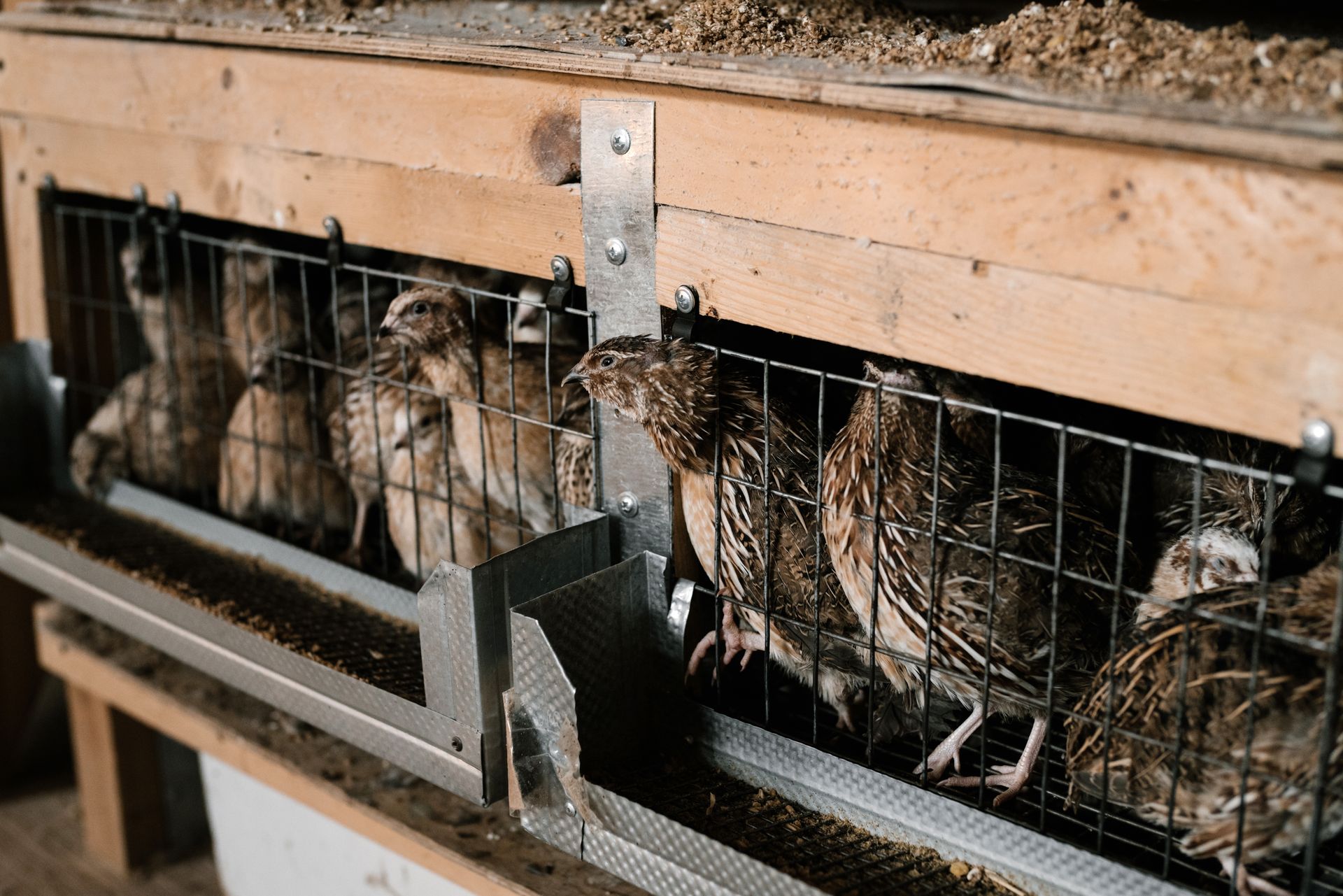
Choosing the right meat breed chickens can be a daunting task, especially for backyard farmers and homesteaders. One key factor to consider is growth rate, with some breeds like the Cornish Cross reaching market weight in as little as 5-6 weeks.
For those looking for a more leisurely pace, the Freedom Ranger and Heritage breeds can take 12-16 weeks to reach maturity. This slower growth rate is often offset by improved foraging ability and better overall health.
Another consideration is feed conversion ratio, which measures how efficiently a chicken converts feed into meat. The Cornish Cross has a high feed conversion ratio, making it a popular choice for commercial producers.
Ultimately, the best breed for you will depend on your specific needs and goals.
Jersey Giant
The Jersey Giant is one of the heaviest chicken breeds, hailing from the United States. They're often sought after for their meat, but their slower growth rate makes them less common in commercial production.
These colossal birds are surprisingly docile and make excellent backyard chickens, producing a substantial number of eggs annually. They're a great choice for those looking for a dual-purpose breed.
Their robust and upright posture, long, broad back, and deep, full breast are defining features of the Jersey Giant. They come in several color varieties, including Black, White, and Blue.
Origins of the Cross Symbol
The Origins of the Cross Symbol are quite fascinating. The concept of selective crossbreeding, which led to the creation of the Cornish Cross, is a testament to human ingenuity. This process involves combining two distinct breeds to achieve a desired outcome. The Cornish Cross, for example, was created by crossing White Cornish and White Plymouth Rock chickens. This crossbreeding resulted in a chicken that reaches slaughter weight in just 6 to 7 weeks.
The Cornish Cross typically weighs around 4-5 lbs for hens and 6-7 lbs for roosters at this stage. This rapid growth is a result of careful breeding and selection.
Jersey Giant Origins
The Jersey Giant is an acclaimed meat chicken breed that originated in the United States, specifically in New Jersey, during the late 19th to early 20th century.
These birds were deliberately developed to be one of the largest and heaviest, with males capable of reaching up to 13 pounds and females often weighing around 10 pounds.
Their substantial size was developed for the purpose of producing hefty chickens for meat.
Big
So, you're considering the Big Red Broilers, a hybrid meat chicken breed that's perfect for homesteaders. They're an updated version of the Red Rangers and are known for their fast growth and good foraging abilities.
These birds are excellent foragers that thrive on pasture, which means they'll require less feed. And, they're ready to butcher in just 12 weeks, making them a great alternative to Cornish Cross chickens.
One thing to keep in mind is that the Big Red Broilers have inconsistent growth rates - hens are much smaller than roosters at processing time. This can make it a bit tricky to manage your flock, but it's worth it for the benefits they provide.
Here are some key characteristics of the Big Red Broilers:
- Good foragers
- Fast Growth
- Lots of meat without the health issues
- Good taste
And, if you're looking for a bird that will lay eggs, the Big Red Broilers are a great choice - hens are reliable layers of extra large brown eggs. Just keep in mind that they're not recommended for reproduction, as most eggs are infertile.
For more insights, see: What Is the Best Breed of Chicken for Eggs
Physical Characteristics
The Jersey Giant is a large breed, with a robust and upright posture, long, broad back, and a deep, full breast.
Their single combs and wattles are bright red, and their eyes are typically a dark brown color.
Red Broilers can weigh up to 7 pounds in just 9 to 11 weeks, making them larger than many other breeds raised for meat.
Their sturdy legs and yellow feet add to their distinctive appearance.
Cornish Cross chickens have a chunky physique and a broad breast, with white feathers that make them easily recognizable.
Jersey Giant Physical Appearance
The Jersey Giant is a unique chicken breed available in several color varieties, including Black, White, and Blue.
Their robust and upright posture is a defining feature of this breed.
A long, broad back and a deep, full breast are also characteristic of the Jersey Giant.
Their single combs and bright red wattles are a striking feature that sets them apart from other chicken breeds.
Their dark brown eyes complete their distinctive appearance.
Strong, sturdy legs and yellow feet are a practical advantage for the Jersey Giant, allowing them to move around with ease.
Physical Appearance and Behaviors
Red Broilers and Cornish Cross chickens have distinct physical appearances and behaviors.
Red Broilers are larger than many breeds, with males weighing around 6 to 7 pounds and females at 5 to 6 pounds in just 9 to 11 weeks.
Their docile and calm temperament makes them easy to handle, even in free-range situations.
Cornish Cross chickens have a chunky physique and a broad breast, typically painted in white.
These meat birds showcase poor flying skills and a predominantly docile nature.
Their short lifespan is a result of their primary purpose being meat production, living mere weeks to a few months before being raised for meat.
Red Broilers can exhibit some color variations, but their distinctive reddish-brown feathers are their most notable feature.
Intriguing read: Guard Dogs for Chickens
Growth Rates
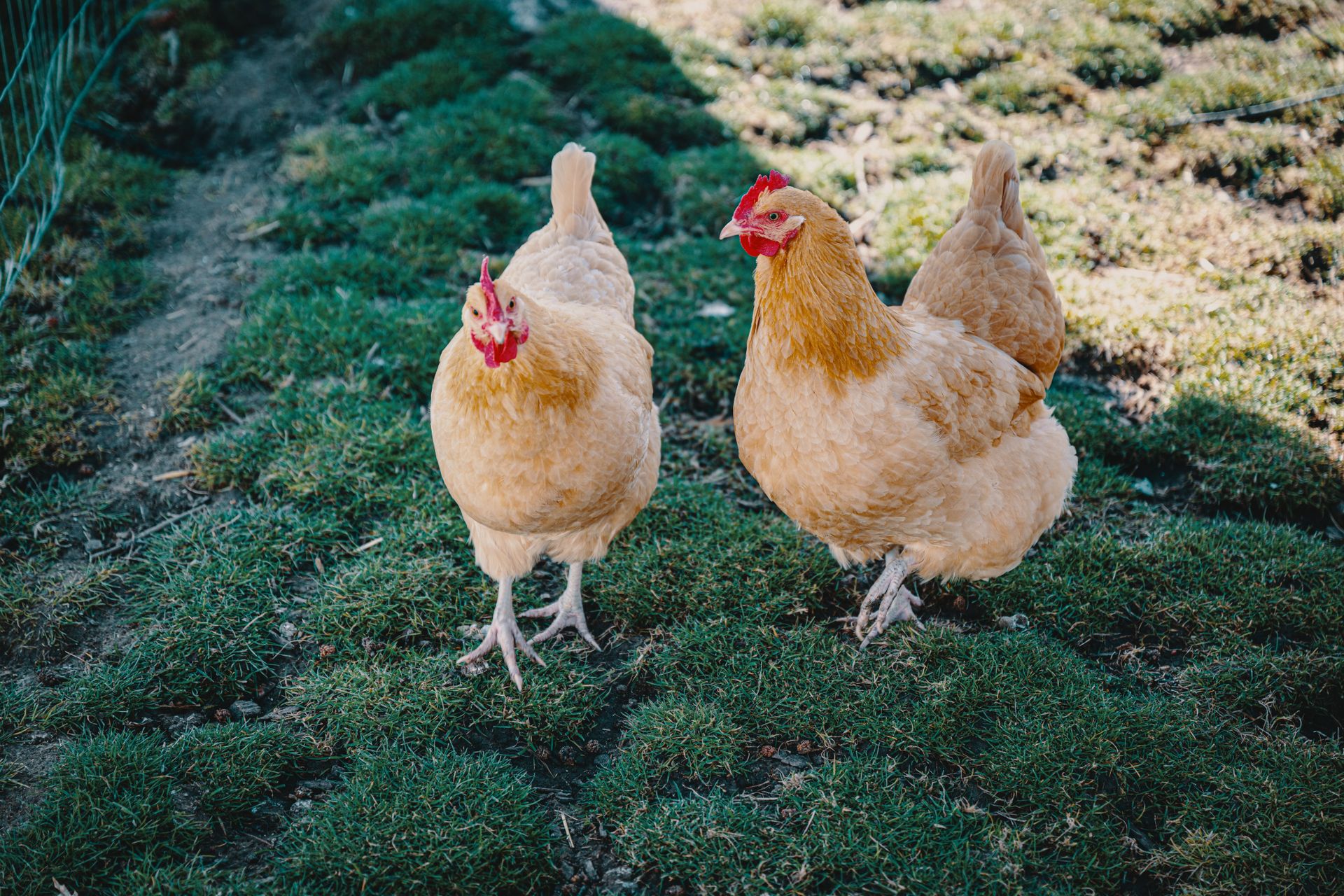
You have a choice between slow-growing chickens and fast-growing ones, depending on how quickly you want to harvest your meat birds.
The growth rate of your flock will largely depend on the breed you choose, with some breeds growing faster than others.
Some breeds, like the Cornish Cross, can grow to market weight in as little as 5-6 weeks, while others may take 8-12 weeks.
A slow-growing chicken can take up to 16 weeks to reach market weight, giving you a longer window for harvesting.
If you're looking for a fast growth rate, you may want to consider a breed specifically designed for rapid growth.
Poultry Industry
The Cornish Cross breed has profoundly influenced the poultry industry, revolutionizing chicken meat production on a global scale.
This breed is known for its rapid growth, which can be beneficial for large-scale commercial farming operations.
However, it's worth noting that this rapid growth has also led to attendant health issues, which can be a concern for some chicken keepers.
If this caught your attention, see: Is Chicken Meat Good for Dogs
Jersey Giant in the Poultry Industry
The Jersey Giant is a notable breed in the poultry industry, and its size would suggest it's an ideal meat chicken breed. However, they grow slower than many commercial breeds.
They take about six months to reach market weight, which is a significant factor in their limited commercial use.
Backyard keepers and small farms favor the Jersey Giant for its sustainable, dual-purpose qualities.
It produces around 250 large brown eggs per year, making it a commendable egg layer.
Poultry Industry Role
The Cornish Cross breed has profoundly influenced the poultry industry, revolutionizing chicken meat production on a global scale.
Some commercial meat breeds, like the Cornish Cross, grow extremely fast, but this rapid growth comes with attendant health issues.
Red Broilers, on the other hand, are raised for meat and have a slower growth rate than the Cornish Cross, resulting in a more developed flavor and firmer texture.
Their white meat is notably tender, making them a popular choice for many consumers.
Small farmers and those who prefer a homesteader's lifestyle are increasingly turning to slower-growing heritage breeds to avoid the health issues associated with fast-growing commercial breeds.
Cornish Cross chickens can serve as a dual-purpose breed for both meat and egg production.
Red Broilers, while not prolific layers, will produce some eggs if kept beyond their usual slaughter age.
Caring for Chickens
Caring for chickens is a crucial aspect of raising meat breed chickens. Provide a draft-free, clean space that is protected from predators, such as a small room or an area inside a building with hardware cloth or chicken wire.
These birds require high-quality feed with ample proteins to support their swift growth, so ration their intake to avoid obesity-related issues. Hydration is also key, so ensure they have continuous access to clean water.
To optimize floor space, you'll need to increase it as the birds grow. At 6 to 10 weeks of age, provide at least 1 square foot per bird, and from 10 weeks on, aim for 2 to 3 square feet each, unless they have access to a yard or range.
Caring for Chickens
Caring for chickens requires attention to their diet, environment, and health.
Provide high-quality feed with ample proteins to support their growth, but ration their intake to avoid obesity-related issues.
Meat chickens need continuous access to clean water, as hydration is key.
They're not great with extreme temperatures, so provide shade during hot weather and warmth in colder climes.
Red Broilers are adaptable to various environments, making them a fitting breed for various climates and farming practices.
Nonetheless, like any livestock, these meat chickens require regular health checks and a balanced diet to ensure their overall health and productivity.
To ensure the safety of the birds, provide a draft-free, clean space that is protected from predators.
A small room or an area inside a building that is fenced in with hardware cloth or chicken wire will help keep them close to heat, feed, and water.
Here's a rough guide to floor space per bird:
Most poultry meat birds are raised under total confinement, although some roaster and capon flocks are allowed limited access to a yard area.
Provide a chick starter feed to give them a balanced ration, that is 22 to 24 percent protein for at least the first week and up to week four.
Switch to a finisher feed, but no less than 18 to 19 percent protein for the duration.
Give them clean water twice daily, and thoroughly clean and disinfect the house and equipment before starting new chicks.
Feeders and Waterers
To ensure your chicks have a smooth transition to their new home, it's essential to provide them with the right feeders and waterers.
Dunk each chick's beak in the water trough so they know where the water is and how to access it. This simple step can make a big difference in their comfort and well-being.
Changing the size of feed hoppers as the birds grow is crucial to prevent wasting feed. You can use hanging tube-type feeders, adjustable in height, as the birds grow.
Automatic waterers are a game-changer, saving you labor even with a small flock. They're especially useful for preventing wet litter.
For the first two weeks, provide a 1-gallon water fountain for every 50 chicks. After that, you can increase the number and size of waterers to provide 40 inches of watering space per 100 birds or 1 gallon capacity for 15 chicks.
Here's a rough guide to waterer capacity:
As your birds grow and mature, you can adjust the waterer capacity accordingly.
Prevention
Keeping your flock healthy is crucial, and it all starts with prevention. Obtain chicks from pullorum-typhoid clean stock to minimize the risk of disease.
To keep your chickens' environment clean, use a low-level coccidiostat drug in the feed to prevent coccidiosis. This will help keep your birds healthy and thriving.
Rotating range areas is essential, so that birds aren't on the same ground year after year. This simple step can make a big difference in preventing disease.
Additional reading: Healthiest Bulldog Breeds
Clean waterers daily and periodically wash them with a sanitizing solution to prevent the spread of disease. This is a simple task that can help keep your flock healthy.
A local veterinarian, county extension agent, or commercial field serviceman can assist with flock health and other management problems. Don't be afraid to ask for help when you need it.
Here are some additional tips to keep your flock healthy:
- Keep the litter clean and dry.
- Prevent overcrowding.
- Use equipment without sharp edges.
- Use feeding programs that develop good body structure before reaching heavy weights.
Choosing a Breed
Choosing a breed is crucial for a successful meat chicken operation. Consider your goals and circumstances to determine the best breed for you. Ask yourself questions like: Do I want a quick-turnover? Will I be able to raise my birds on pasture or will they be confined?
Some breeds can't free-range and must be fed out, while others don't do well in confinement and must be raised on pasture. There are health benefits to raising birds on pasture if you can. You can keep meat birds alongside layers if needed, but use caution to avoid crushing smaller chicks.
Heritage breeds are well-rounded, self-sufficient, and can be an excellent fit for small farmers and homesteaders. They can mate naturally and don't require as much feed. Choose heritage breeds if you want to start a breeding flock for a continuous supply of meat birds or want more self-sufficient birds.
Core Meaning: Return Revised Heading
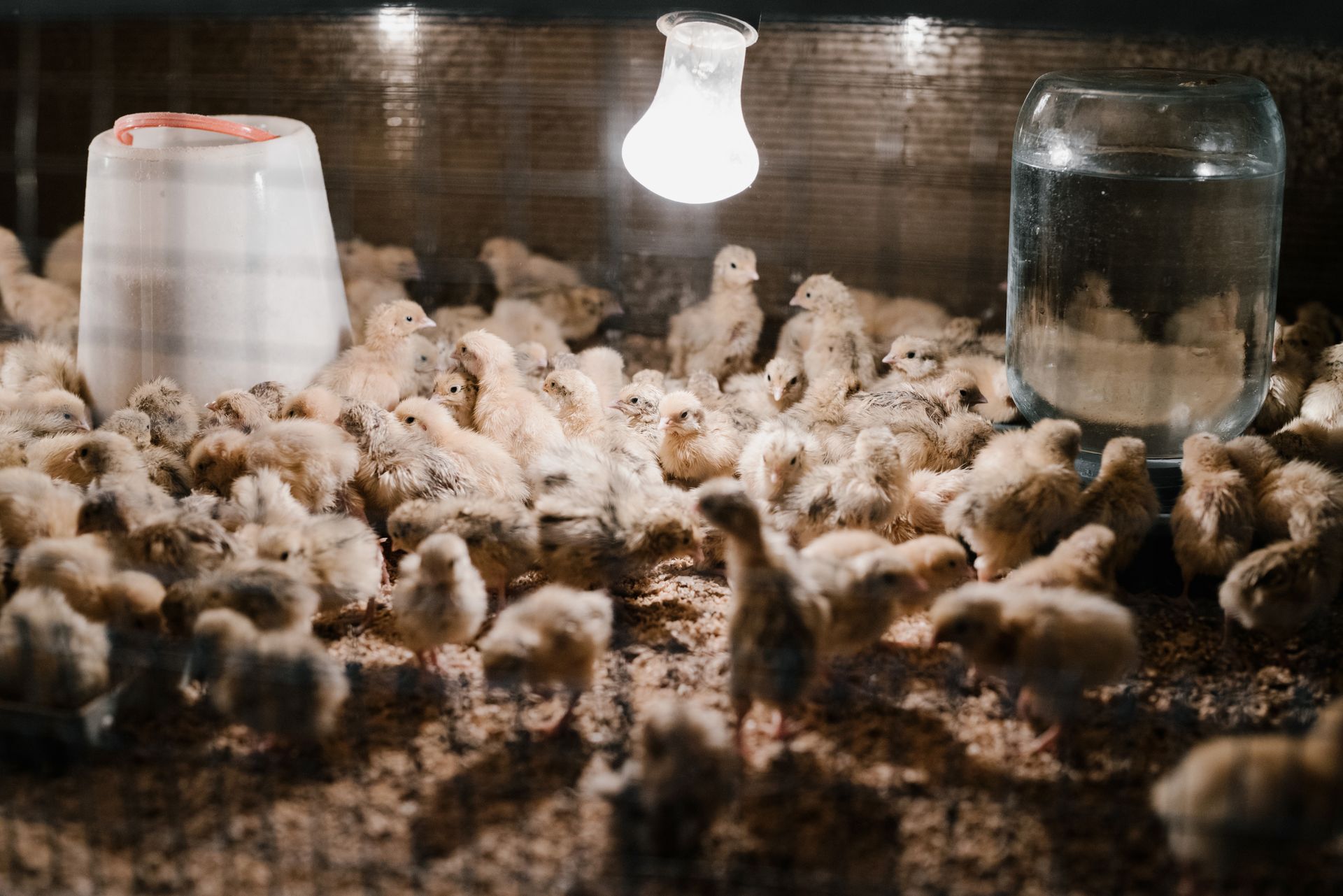
The Cornish Cross is a standout among meat chicken breeds, known for its rapid weight gain and is often considered the poster child of the broiler industry.
This breed is a hybrid and is a meat production superstar, commonly found in commercial chicken farming.
You may have encountered the Cornish Cross in supermarkets or restaurants around the world, as it's one of the most common meat chickens.
To choose the right breed for your homestead, you need to decide what kind of chicken will be the best option for your farm or homestead.
There are many different meat chicken breeds, each with varying qualities, so it's essential to research and select the best breed for your needs.
Selecting a Chicken Breed
Choosing a chicken breed can be a daunting task, especially if you're new to raising chickens. First and foremost, you need to consider what type of chicken you want to raise - meat or eggs. If you want to raise birds for meat, you'll want to look into breeds that are specifically suited for meat production.
When it comes to meat production, some breeds are better suited for confinement, while others require pasture-raising. For example, some breeds can't free-range and must be fed out, while others don't do well in confinement and must be raised on pasture. There are also health benefits to raising birds on pasture, if you can.
You'll also want to consider how quickly you want to turn over your flock. Some breeds mature faster than others, which can be beneficial if you're looking for a quick turnaround. However, slower-growing breeds may have richer meat flavor and be more dual-purpose, providing both meat and eggs.
Here are some popular meat breeds to consider:
- Cornish, Plymouth Rock, and New Hampshire breeds are the most economical meat strains.
- White or Barred Plymouth Rocks, Rhode Island Reds, and New Hampshires are also good options for meat production.
Keep in mind that each breed has its own unique characteristics, and some may not be suitable for your farm setup or climate. For example, some breeds don't thrive in hot climates.
Ultimately, the best breed for you will depend on your specific needs and preferences. It's essential to research and understand the characteristics of each breed before making a decision.
American Bresse
The American Bresse is a dual-purpose breed that's perfect for backyard chicken keepers. They're hardy, easy to keep, and thrive on pasture.
One of the best things about American Bresse is their friendly and docile disposition. They're great with people and make excellent pets.
In terms of egg production, hens are good layers, producing light golden-brown eggs. They're not the most prolific layers, but they're consistent and reliable.
If you're looking for a breed that can produce delicious meat, the American Bresse is a great choice. Males can reach 6-7 pounds in about 16 weeks, and hens average 4-5 pounds.
Here are some key characteristics of the American Bresse breed:
- Phenomenal meat quality
- White feathers are easy to dress
- Males can reach 6-7 pounds in about 16 weeks, and hens average 4-5 pounds
- Hardy and easy to keep
- Thrives on pasture
- Friendly and well-mannered
- Hens are good layers
- Delicious meat with potential for marbling
- Dual-purpose breed
- Can reproduce successfully, making them an excellent choice for raising a sustainable flock
However, it's worth noting that American Bresse can be a bit more finicky than other breeds. They require strict conditions to achieve the classic French-style Bresse meat that's known for flavor, tenderness, and marbling.
Breed Specifics
When selecting a breed for meat chickens, it's essential to consider factors like growth rate, feed efficiency, and temperament.
Some breeds, like the New Hampshire Red, are well-suited for pasture or confinement, while others, such as the White Plymouth Rock, excel in free-ranging environments.
The Delaware Enhanced Heritage Broiler is a meatier version of the classic dual-purpose breed, retaining its Heritage traits like slow growth, flavorful meat, and a naturally long lifespan.
If you're looking for breeds that are known for their rapid growth and early maturity, the Cornish, Plymouth Rock, and New Hampshire breeds are good options.
Here are some key characteristics of popular meat breeds:
Jersey Giant
The Jersey Giant is one of the heaviest chicken breeds, hailing from the United States. They are often sought after for their meat, but their slower growth rate makes them less common in commercial production.
These colossal birds are docile and make excellent backyard chickens, producing a substantial number of eggs annually. Their unique characteristics and dual-purpose nature make them stand out in the world of poultry.
The Jersey Giant is available in several color varieties, including Black, White, and Blue. Their robust and upright posture, long, broad back, and deep, full breast are their defining features.
With single combs and bright red wattles, Jersey Giants stand out among other chicken breeds. Their strong, sturdy legs and yellow feet complete their distinctive appearance.
It takes about six months for Jersey Giants to reach market weight, which is slower than many commercial breeds. This slower growth rate makes them less ideal for commercial chicken meat production.
Jersey Giants are favored among backyard keepers and small farms looking for a sustainable, dual-purpose breed. They produce around 250 large brown eggs per year, making them an excellent choice for both meat and egg production.
Temperament
Temperament is a crucial consideration when choosing a bird breed. If you have children who will be working with the birds, a gentle temperament is a must.
Some breeds are naturally more docile and easier to handle around kids. On the other hand, if you're raising birds for both eggs and meat, a breed with a strong and assertive temperament may be more suitable.
For your interest: Boxer Breed Behavior
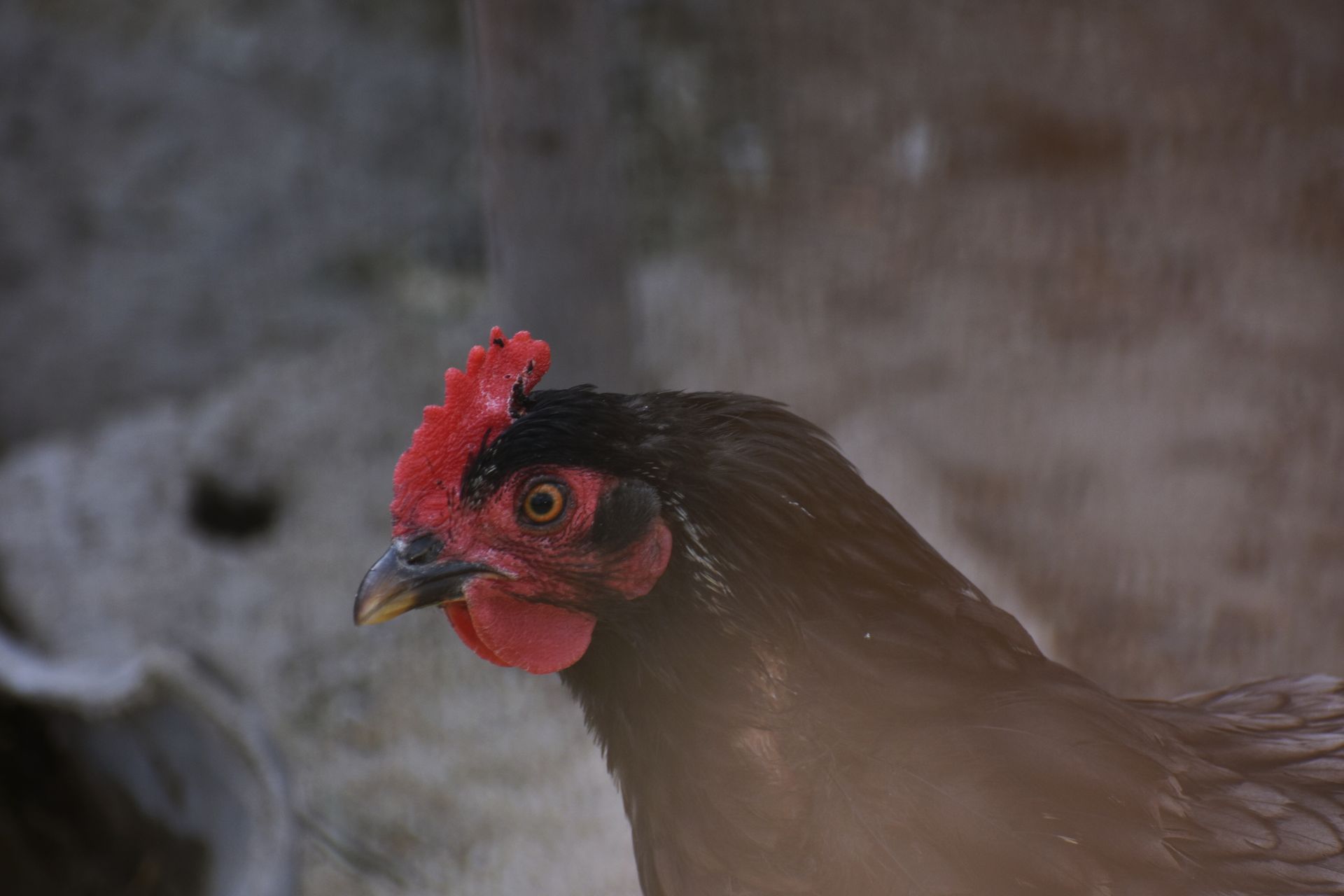
A breed's temperament can greatly impact your daily interactions with the birds. If you're new to raising birds, a breed with a calm and even-tempered nature can make a big difference.
Temperament can also affect a breed's ability to adapt to new environments and situations. Some breeds are more resilient and can handle changes in their surroundings with ease.
Ultimately, choosing a breed with a temperament that fits your lifestyle and needs is key to a harmonious and successful bird-keeping experience.
Additional reading: New Wolfdog Breed
Breed Specific Needs
Some breeds require specific diets, like broilers which mostly need a higher protein diet than regular egg layers.
Make sure you have the proper food before you begin raising your birds.
Breed Specifics
If you're considering raising hybrid broiler meat birds, it's essential to understand the breed specifics of each variety.
The Cornish Cross is the most popular hybrid broiler, but it's not the only option. Other top broilers include the Cornish Roaster, Murray's Big Red Broiler, and Murray's Ginger Broiler.
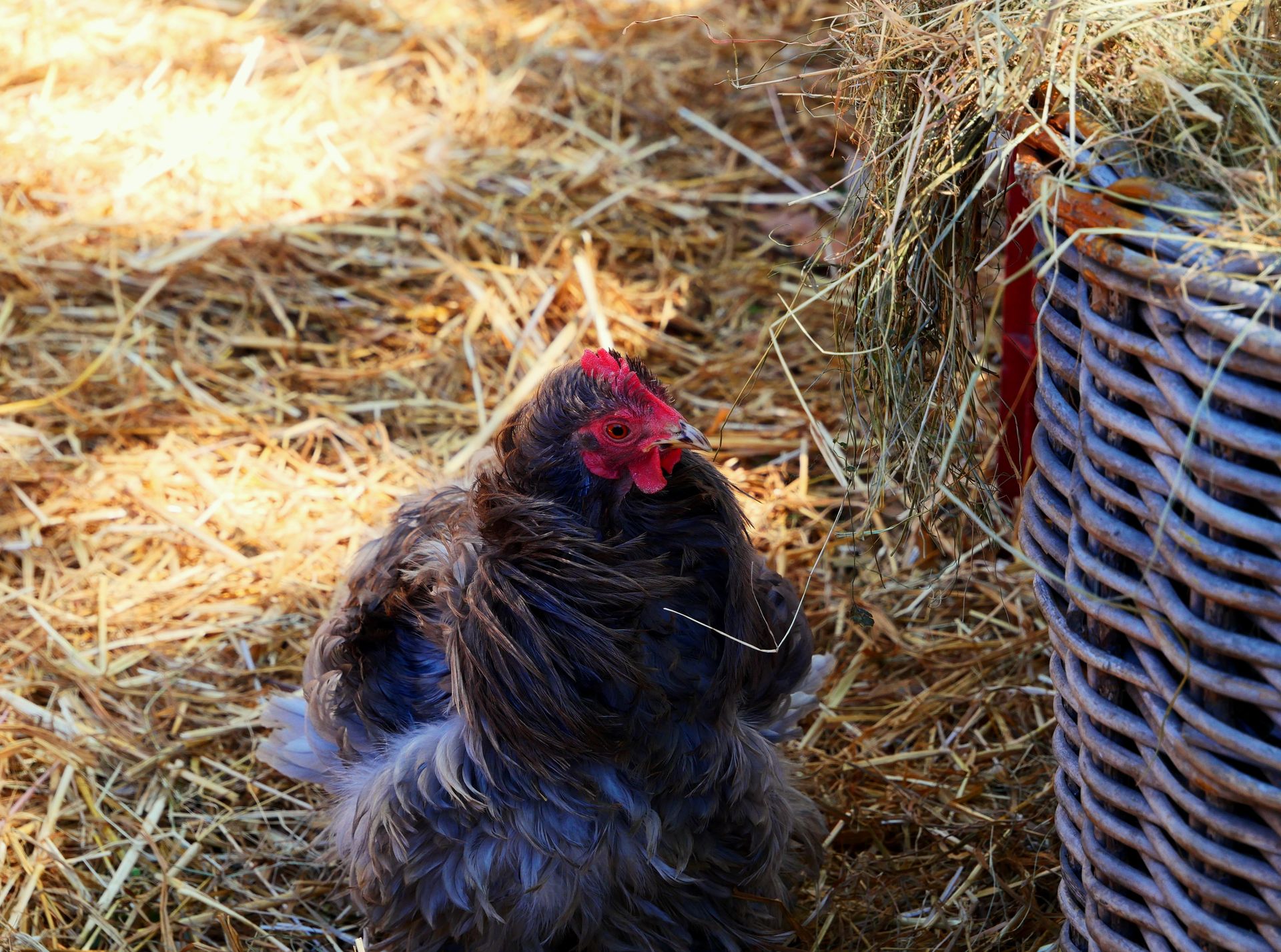
The Cornish Roaster, for example, reaches maturity at 8-10 weeks and has broad breasts, big thighs, and a slower rate of growth that helps avoid potential leg issues.
If you're looking for a broiler that's good foragers, the Big Red Broiler is a great choice. They're fast-growing and have excellent feed conversion, making them a popular alternative to Cornish Cross chickens.
However, Big Red Broilers do take a couple of weeks longer to mature than Cornish Cross, and their growth rates can be inconsistent, with hens being much smaller than roosters at processing time.
Here are some key breed specifics to consider:
Ultimately, the breed you choose will depend on your specific needs and preferences. By understanding the breed specifics of each variety, you can make an informed decision and raise healthy, happy chickens.
13. Dorking
The Dorking chicken breed is one of the few five-toed breeds. They're a great choice for pasture raising due to their good foraging abilities.
Their flavor has been compared to the French Bresse, which is a high compliment.
Dorkings are known for their broad breasts and gentle disposition.
Here are some key characteristics of the Dorking breed:
- Broad breasts
- Great foragers
- Gentle Disposition
- Dual Purpose
On average, a mature Dorking chicken weighs between 7-9 lbs.
New Hampshire
New Hampshire chickens are a dual-purpose breed that originated from selective breeding of the Rhode Island Red. They're known for their rapid growth and early maturity, making them a popular choice for homesteaders.
New Hampshire Reds are heavy birds, with hens weighing around 8 pounds and roosters weighing closer to 10 pounds. They're also good egg layers, producing as many as 180 large, brown eggs per year.
These birds are well-suited to foraging or being raised in confinement, making them a versatile choice for backyard chicken keepers. They can also do well free-ranging.
New Hampshire Reds are known for their good disposition and are docile with humans. However, they can be competitive and aggressive towards one another.
Here are some key characteristics of New Hampshire Reds at a glance:
- Weight: Hens 8 pounds, Roosters 10 pounds
- Egg production: Up to 180 large, brown eggs per year
- Temperament: Good disposition, docile with humans
- Hardiness: Cold hardy
White Plymouth Rock
The White Plymouth Rock is a fantastic breed for backyard chicken keepers. They're outstanding layers, producing large eggs throughout the year, even in cold winter months.
Their unique characteristics make them a great choice for small farms and homesteads. One of the benefits of White Plymouth Rocks is their compact and well-fleshed bodies, which make them ideal for roasting or frying.
Here are some key facts about White Plymouth Rocks:
- White feathers are easy to dress
- Delicious golden skin
- Compact and well-fleshed at almost any age
- Males can reach 8-9 pounds, while hens are typically 6-7 pounds
- Hens are fantastic and reliable layers during colder months
- True Heritage dual-purpose breed
- Can reproduce successfully, making them an excellent choice for raising a sustainable flock
Their rapid growth and early maturity make them a great choice for small-scale chicken keepers. With proper care, White Plymouth Rocks can thrive in a variety of environments.
Ginger
The Ginger Broiler is a unique hybrid broiler that's an exclusive of McMurray Hatchery. They're built similarly to the Cornish Cross, but without some of the health issues.
Ginger Broilers are resistant to ascites, a condition that's more common in higher elevations where the oxygen supply is low. This makes them ideal for thriving at higher altitudes.
These birds are excellent natural foragers and thrive on pasture. They're known for their overall incredible health and wonderful dispositions.
By 12-13 weeks, males can reach 5-6 pounds, and females reach 3-4 pounds. They have a much more longevity than other meat breeds, making them a great choice for homesteaders.
Here are some key characteristics of the Ginger Broiler breed:
- Built similarly to Cornish Cross
- Excellent natural foragers
- Thrive on pasture
- None of the health issues associated with other fast-growing meat breeds
- Can be raised at high altitudes
- Much more longevity than other meat breeds
- Friendly disposition
Game Hens
Game Hens are a fantastic choice for backyard chicken keepers. They're a type of chicken that's specifically bred for their petite size and rich flavor.
You can raise Cornish Game Hens to 2-2.5 pounds live weight, making them perfect for a small flock. They're known for their broad breasts and big thighs, which make them a delight to eat.
One of the best things about Game Hens is how easy they are to raise and process. They finish in half the time of a full-sized Cornish Cross, and they're very easy to butcher and dress.
If you're looking to sell your Game Hens, you'll be pleased to know that they have excellent marketability. They're perfect for local restaurants, farmers' markets, and CSAs due to their high demand and excellent flavor.
Here are some key characteristics of Game Hens:
- Broad breasts, big thighs, white plumage, and yellow skin
- Finishes in half the time of a full-sized Cornish Cross
- Very easy to butcher and dress
- Excellent feed conversion
- Excellent marketability for local restaurants, farmers’ markets, and CSAs
Up and Coming
The world of chicken breeds is vast and exciting, and there are many up-and-coming breeds that are worth learning about. The American Bresse, Bielefelder, and Neiderrheiner are all relatively new breeds in the U.S. and are still fairly rare.
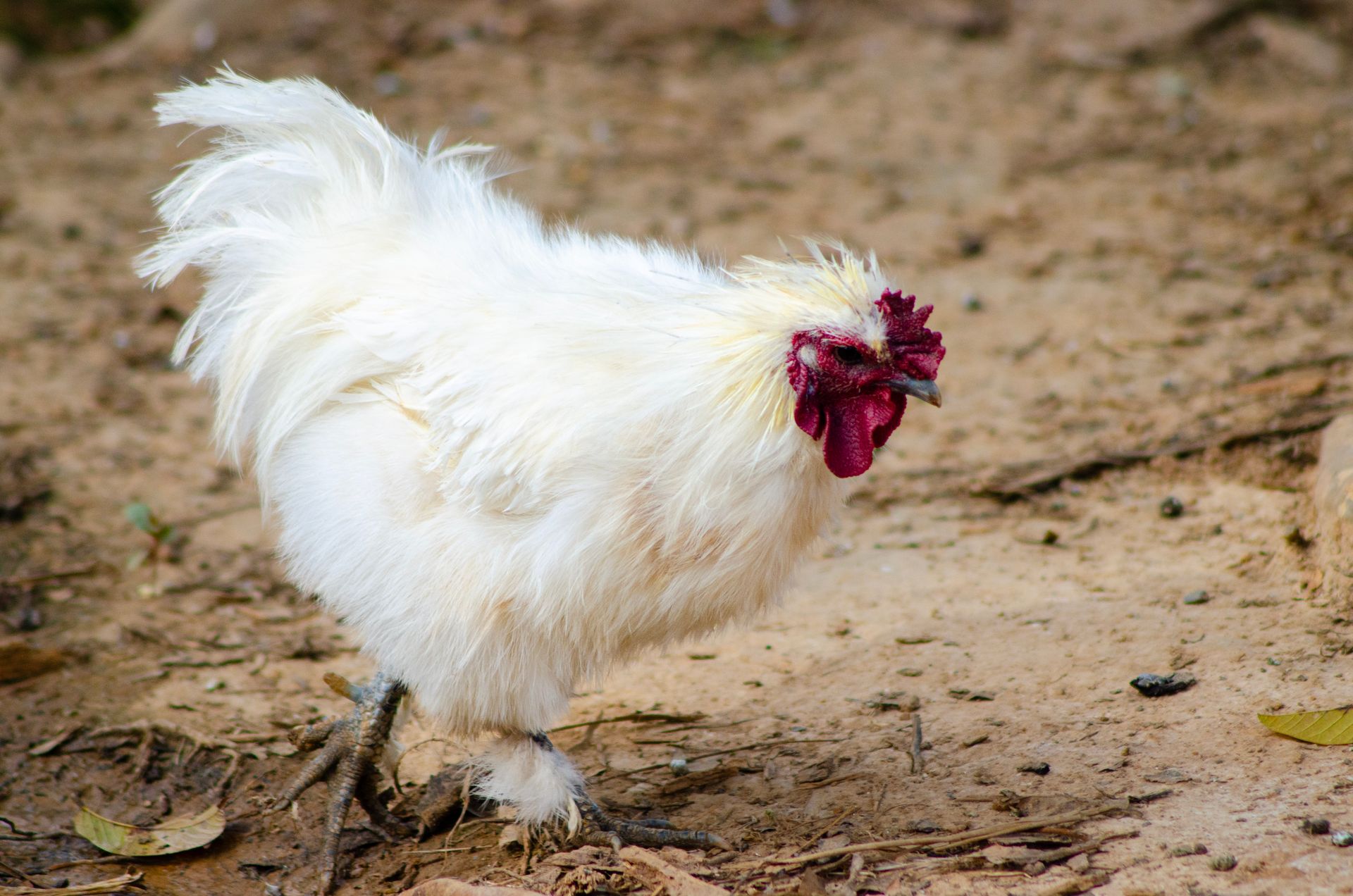
These heirloom Heritage breeds are stunning, and are all top picks by our customers, too. They're a great choice for homesteaders who want to raise chickens for meat and eggs.
One of the benefits of these breeds is that they don't have the health issues associated with faster-growing breeds like the Cornish Cross. This means you can raise them on pasture and enjoy the benefits of fresh air and exercise.
Here are some key characteristics of these up-and-coming breeds:
These breeds are definitely worth considering if you're looking for something new and exciting to add to your flock.
Dark
The Dark breed of chickens is a great option for those looking for a meat bird that thrives on pasture. They're known for their excellent natural foraging abilities and can handle confinement just as well.
Dark Cornish birds are a type of Heritage breed that have broad breasts and heavy bodies, making them perfect for butchering. They're also good layers, producing eggs that are a great bonus for homesteaders.
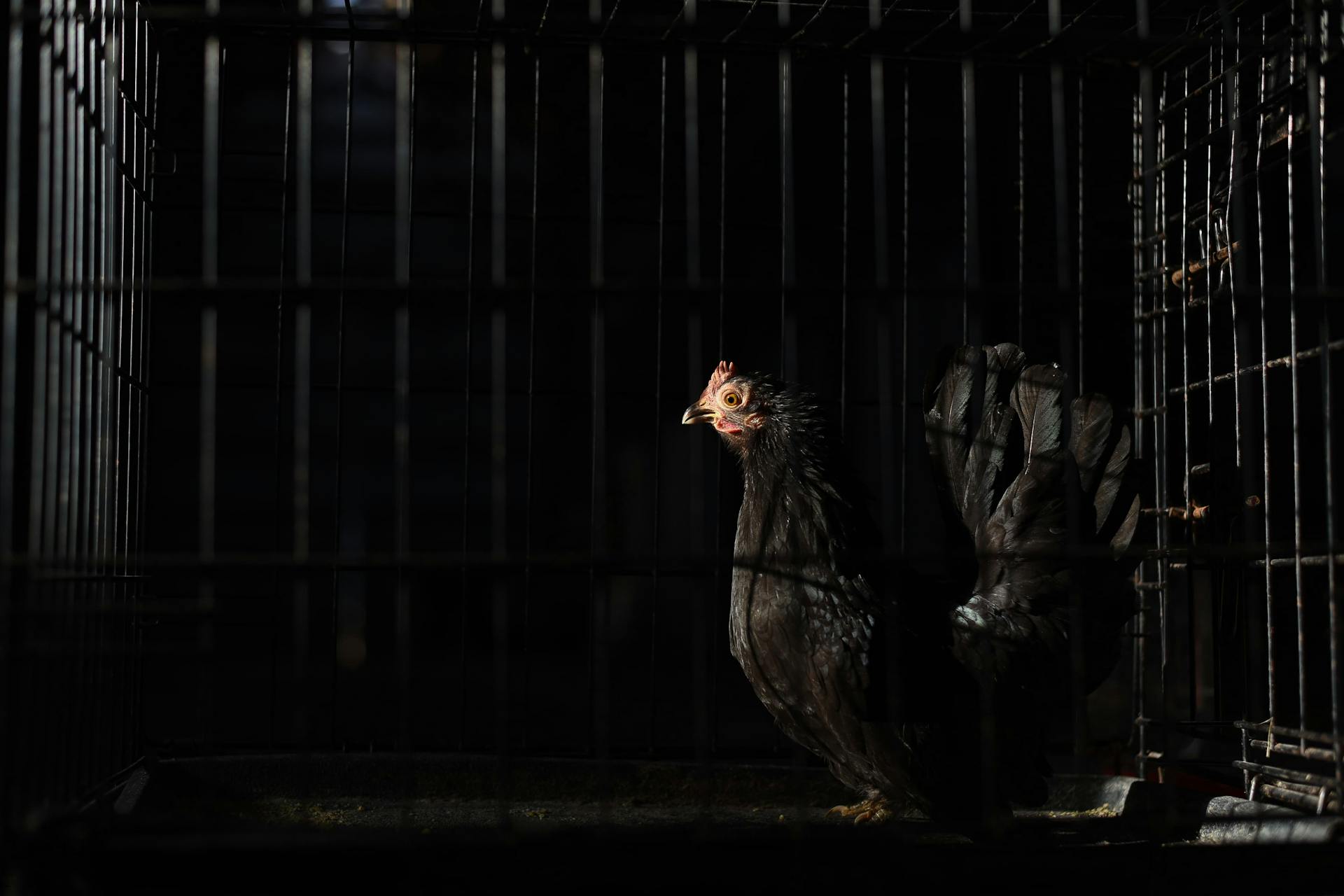
One thing to keep in mind is that Dark Cornish birds take a bit longer to reach maturity than other breeds, which can be a challenge for those looking for a quick turnaround. However, their meat is tender and flavorful, making it worth the extra time.
Here are some key characteristics of Dark Cornish birds:
Overall, Dark Cornish birds are a great choice for those looking for a Heritage breed that can thrive on pasture and provide delicious meat for the table.
Popular Breeds
The Cornish Cross is the most popular and most common of the hybrid broilers raised for meat in the U.S.A. today.
The Cornish Cross, along with other top broilers like the Cornish Roaster, Cornish Game Hen, Murray's Big Red Broiler, and Murray's Ginger Broiler, are known to not grow as rapidly as other breeds.
Here are some popular meat breed chickens and their characteristics:
The Top 8
If you're looking to raise chickens for meat, you'll want to choose a breed that's well-suited for the task.
The Cornish Cross is the most popular hybrid broiler raised for meat in the U.S.A. today. Its popularity is due in part to its rapid growth rate.
However, it's worth noting that the Cornish Cross does not grow as rapidly as other breeds. This can be beneficial for some farmers, as it allows for a more even and controlled growth rate.
Broiler and meat chickens are birds that are raised primarily for meat production, and there are many different chicken breeds to choose from for your broiler flock.
Delaware Enhanced Heritage
The Delaware Enhanced Heritage Broiler is a fantastic choice for those looking for a sustainable and self-sufficient flock. It's a McMurray Hatchery exclusive breed that produces a meatier version of the classic dual-purpose breed.
One of the standout features of the Delaware Enhanced Heritage Broiler is its ability to thrive on pasture. This means you can raise them on a small farm or homestead with minimal feed costs.
With its slow and natural growth, this broiler produces a flavorful meat that's associated with Heritage breeds. You can expect a naturally long lifespan, making it an excellent choice for a sustainable flock.
If you're looking for a dual-purpose breed that can provide both meat and eggs, the Delaware Enhanced Heritage Broiler is an excellent choice. Hens are fantastic layers, so you can enjoy a steady supply of eggs from your flock.
Here are some key characteristics of the Delaware Enhanced Heritage Broiler:
- Produces a meaty table bird
- Excellent natural foragers
- Thrives on pasture
- Natural vibrant health associated with Heritage breeds
- Friendly disposition
- Can be raised at high altitudes
- Dual-purpose breed
- Can reproduce successfully, making them an excellent choice for raising a sustainable flock
However, it's worth noting that the Delaware Enhanced Heritage Broiler does take longer to reach maturity than some other broiler breeds. This means you'll need to be patient and plan for a longer growth cycle.
Ordering and Preparation
To get started with raising meat breed chickens, you'll need to order chicks from a reputable hatchery. You can find hatcheries in Minnesota and around the country online.
Plan the arrival of your chicks around their departure from the hatchery, as they'll need to adjust to their new environment. Cornish cross broilers, the most commonly raised breed, take only six to eight weeks to reach a market carcass weight of four to six pounds.
Broaden your view: Best All around Dog Breed
You can order cockerels (males), pullets (females), or a straight run (mixed batch) of chicks. Cockerels are a bit more expensive but grow faster, weighing one pound more than pullets at processing.
Don't forget to arrange processing well in advance, as this will ensure a smooth and efficient experience. If you live in a town or city, check local government ordinances before processing birds in your backyard.
Consider having your chicks vaccinated at the hatchery against coccidiosis, a common and costly poultry disease. This will give you the option of using non-medicated feed throughout the production period.
Frequently Asked Questions
What meat chickens taste the best?
Bresse chickens are known for producing the best-tasting meat, which is marbled and tender, similar to high-quality beef. They offer a unique and delicious alternative to traditional broiler chickens.
What breed of chicken does Tyson use?
Tyson uses the Cobb strain of broiler chickens, which is owned by Cobb-Vantress, a subsidiary of Tyson Foods. This strain is one of two dominant breeds used globally for meat production.
Featured Images: pexels.com