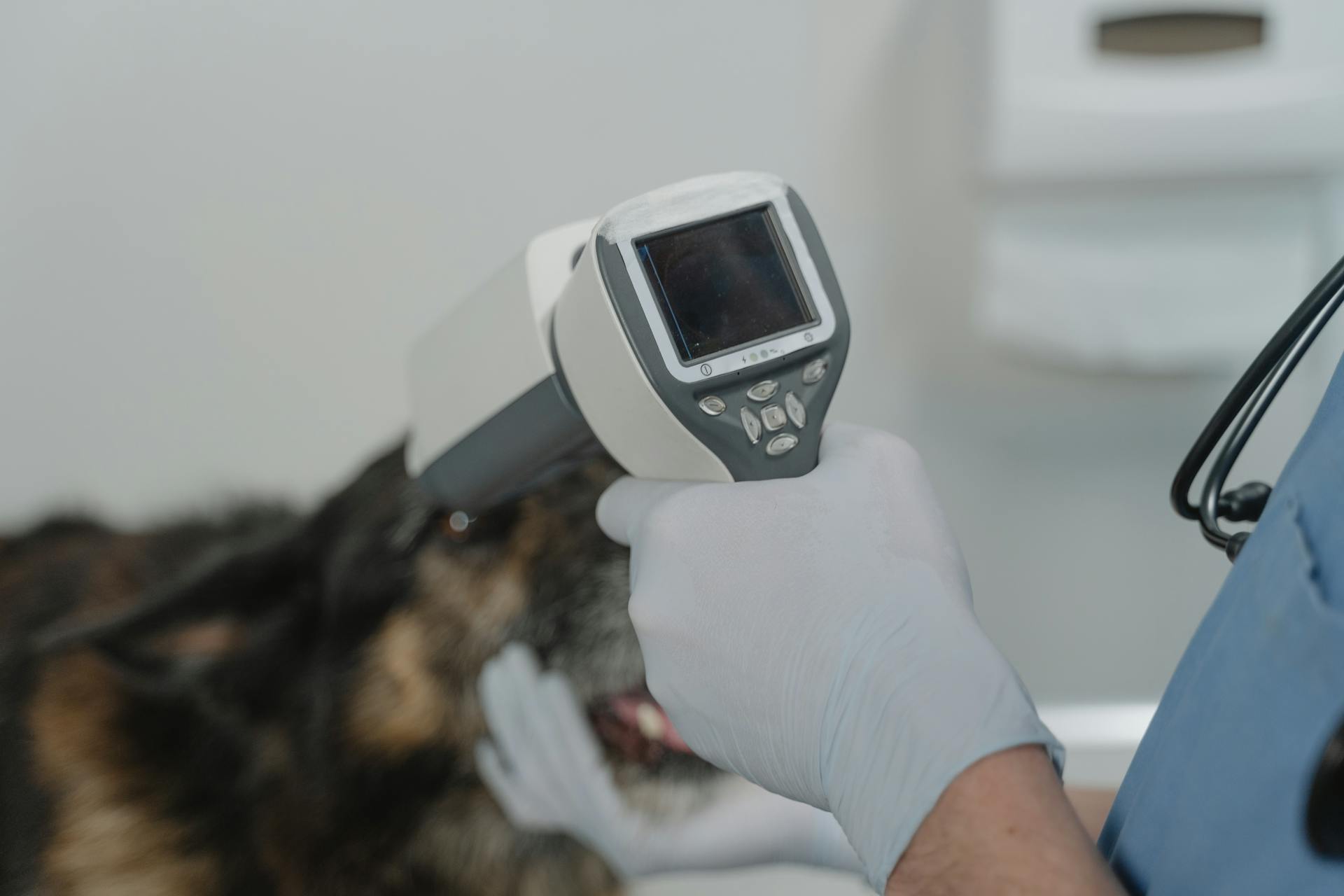
The ASPCA offers a range of preventive care services to help keep your pet healthy and happy.
Spay or neuter services are available to prevent unwanted breeding and reduce the risk of certain health issues. These services can also help curb undesirable behaviors like spraying or roaming.
Regular check-ups with a veterinarian are essential for maintaining your pet's overall health. According to the ASPCA, annual check-ups can help prevent and detect health problems early on.
By investing in preventive care, you can save money and stress in the long run by avoiding costly veterinary bills and reducing the risk of health issues.
Why Consider Preventive Care?
Preventive care is a crucial part of keeping your pet healthy and happy. Regular check-ups and screenings can help detect health issues early on, making a big difference in the outcome for your pet.
Annual wellness exams are especially important for cats, as they tend to hide or mask their symptoms when sick or injured. This means you might not notice something is wrong unless you take them to the veterinarian on a regular basis.
Regular physical examinations, screenings for parasites and age-related diseases, and maintaining a healthy weight are all key components of preventive care. Your veterinarian can help you monitor your pet's weight and provide guidance on how to keep them at a healthy level.
Maintaining good oral health is also essential for your pet's overall health. Regular dental cleanings can help prevent problems like joint pain or kidney disease.
Even if your pet is not due for vaccines every year, they should still visit the veterinarian annually for a thorough examination and to stay on top of their health. This can help catch any potential issues early on and ensure your pet stays healthy and happy.
Here are some key aspects of preventive care to consider:
- Thorough physical examinations.
- Screening for parasites and age-related diseases.
- Maintaining a healthy weight.
- Maintaining good oral health.
- Spaying and neutering.
- Genetic testing for breed-specific diseases.
Animal Health and Safety
Performing physical exams on dogs and cats during intake at an animal shelter is crucial to identify any potential health issues early on.
When bringing your new furry friend home, it's essential to get them checked by a vet within the first few days to ensure they're free from internal and external parasites, which can be passed to humans and cause significant disease and discomfort.
Dogs and cats can carry a wide variety of internal and external parasites, such as fleas, ticks, and worms, which can be easily treated with the right medication and care.
See what others are reading: Do Indoor Cats Have Parasites
Animal Shelter Parasite Control
Dogs and cats can carry a wide variety of internal and external parasites.
Some common parasites that dogs and cats can carry include fleas, ticks, and worms.
These parasites can be passed to humans, causing significant disease and discomfort.
Fleas and ticks can transmit diseases such as typhus and Lyme disease to humans.
Regular grooming and parasite control measures can help prevent the spread of these parasites.
Internal parasites like worms can cause significant health issues in animals, including weight loss and digestive problems.
Preventing parasite infestations in animal shelters requires a comprehensive approach that includes regular cleaning, disinfection, and parasite control measures.
You might like: Aspca Poison Control Cost
Vaccination for Shelter Animals
Vaccination for shelter animals is crucial to manage population health.
Shelters need to follow best practices for vaccinating animals to prevent outbreaks of diseases.
Core vaccinations are recommended for all shelter animals, including Rabies for both dogs and cats.
Dogs in shelters should also be vaccinated for distemper, adenovirus, parvovirus, and parainfluenza (DAPP).
Recommended read: Teeth Grinding in Animals Such as Dogs on Bones
Cats in shelters should be vaccinated for feline viral rhinotracheitis, calicivirus, and panleukopenia (FVRCP).
These vaccinations are inexpensive to administer and can prevent life-threatening diseases.
Shelters should also consider vaccinating special populations, such as pregnant animals or animals with weakened immune systems.
Non-core vaccines may be recommended for shelter animals based on their location and risk of disease.
For example, shelters in areas with high rates of kennel cough may want to vaccinate dogs against Bordetella.
Explore further: Does Aspca Euthanize
Nutrition and Wellness
Proper nutrition is an essential component of any pet care routine. By feeding your furry friend a balanced diet, you can help prevent obesity and related health issues.
Obesity is a major health epidemic among pets, with studies showing that overweight pets often have shorter lifespans and are at higher risk for conditions like diabetes.
Food can also be a powerful enrichment tool, providing mental and physical stimulation for your pet. This can be especially beneficial in shelters, where animals may be feeling stressed or bored.
Maintaining your pet's optimal weight is one of the best things you can do to keep them healthy. By managing the amount of food your pet eats and ensuring they stay active, you can help prevent obesity and keep your pet happy and healthy.
With over four decades of expertise, we understand the importance of nutrition and wellness in giving pets long and happy lives. Our wellness coverage options are tailored to meet the diverse needs of pet owners at an unmatched value.
Worth a look: Preventative Care Keeping Your Pet Healthy Year-Round
Preventive Care Overview
Preventive care is a crucial aspect of keeping your pet healthy and happy. Routine veterinary visits can quickly add up, with annual exams costing around $90 and vaccinations ranging from $110 to $164 for dogs and $96 to $119 for cats.
Annual wellness exams are essential for detecting health issues early on, allowing your veterinarian to learn what's normal for your pet and catch any abnormalities. These exams include a thorough head-to-toe examination, covering weight and body condition score, dental health, eyes, ears, heart and lungs, abdomen, joints and mobility, and skin.
Preventive care coverage can give you cash back for eligible routine services, such as vaccines, flea and tick medication, heartworm prevention, and dental cleanings. These services can help keep your pet from getting sick and detect health issues early on.
Some common components of preventive care include thorough physical examinations, screening for parasites and age-related diseases, maintaining a healthy weight, maintaining good oral health, and spaying or neutering. Even if your pet isn't due for vaccines every year, they should still visit the veterinarian annually.
Here are some average annual figures to consider:
- Wellness veterinary exams average $90.
- Vaccinations typically cost between $110 and $164 for dogs and $96 and $119 for cats.
- Dental cleanings average $600 for a simple, uncomplicated cleaning.
- Preventive medications for fleas, ticks, and heartworms might run from $100 to $300 a year.
Insurance and Coverage
Preventive care is a crucial aspect of keeping your pet healthy, and ASPCA offers a range of insurance options to help you cover the costs. You can add preventive care coverage to your plan, which will reimburse you up to the scheduled amount for services that help protect your pet from getting sick.
The ASPCA offers two preventive care coverage options: Basic and Prime. Both options cover a range of services, including annual wellness exams, dental cleanings, spay/neuter, deworming, and more.
Here's a breakdown of what's typically included in each option:
Preventive care coverage can reimburse you for routine services like dental cleanings, wellness exams, and heartworm prevention. This can be especially helpful if you're already paying for these services out of pocket.
Disease Detection and Prevention
Disease detection and prevention are crucial aspects of ASPCA preventive care. Regular check-ups with your veterinarian can help identify early signs of diseases, allowing for timely intervention and management.
Annual exams can detect issues with dental health, parasites, and dietary concerns, all of which can be prevented or managed with proper care. For example, regular dental care can catch periodontal disease early, preventing tooth loss and systemic infections.
Preventative care can also detect skin and coat health issues, as well as chronic illnesses like kidney disease, diabetes, and thyroid issues. Early detection and management of these conditions can significantly improve your pet's quality of life.
Here are some common diseases that can be detected through preventative care:
- Dental disease
- Parasites (fleas, ticks, heartworms)
- Diabetes
- Kidney disease
- Thyroid issues
Early detection of these diseases can make a significant difference in your pet's health and well-being, and can also help prevent costly treatments down the line.
Early Disease Detection
Early disease detection is a crucial aspect of keeping your pet healthy. Regular check-ups with your veterinarian can help identify early signs of diseases, allowing for timely intervention and better management of conditions.
Annual exams can detect issues with dental health, parasites, and dietary concerns early on. This can prevent periodontal disease, tooth loss, and systemic infections.
Flea, tick, and heartworm preventives are essential in keeping these pests at bay, avoiding diseases like Lyme and heartworm disease. Regular dental care and check-ups can catch periodontal disease early, preventing tooth loss and systemic infections.
Screening for chronic illnesses like kidney disease, diabetes, and thyroid issues allows for early management, which can significantly improve quality of life. Early treatment of dermatological issues prevents chronic conditions and enhances comfort.
Here are some common issues that can be detected through regular check-ups:
Early detection of diseases like diabetes, kidney disease, and cancer can significantly improve your pet's quality of life. Screening tests, including blood work, urine testing, blood pressure monitoring, and x-rays, are recommended for all senior pets.
Expand your knowledge: Dog Blood Work Cost near Me
Pyometra Surgery
Pyometra surgery is a crucial aspect of disease prevention in unspayed dogs and cats. Research shows that pyometra, a life-threatening infection, can be safely treated without specialized care, thereby increasing access to veterinary care.
This breakthrough means that pet owners no longer have to worry about finding a specialized vet for their pets. Pyometra surgery can be performed by a regular vet, making it more accessible to those who need it.
A life-threatening infection like pyometra requires immediate attention, and prompt treatment can make all the difference in saving a pet's life.
For your interest: Pet Care & Surgery Center
Frequently Asked Questions
Does ASPCA cover vet fees?
Yes, ASPCA's accident and illness policy covers vet exam fees, as well as other diagnostic procedures like X-rays and ultrasounds. Learn more about the policy and its comprehensive coverage options.
Does ASPCA cover dental cleanings?
No, routine dental cleanings are not included in Complete Coverage SM or Accident Only plans, but can be added as a separate preventive care coverage for a low monthly cost
Featured Images: pexels.com