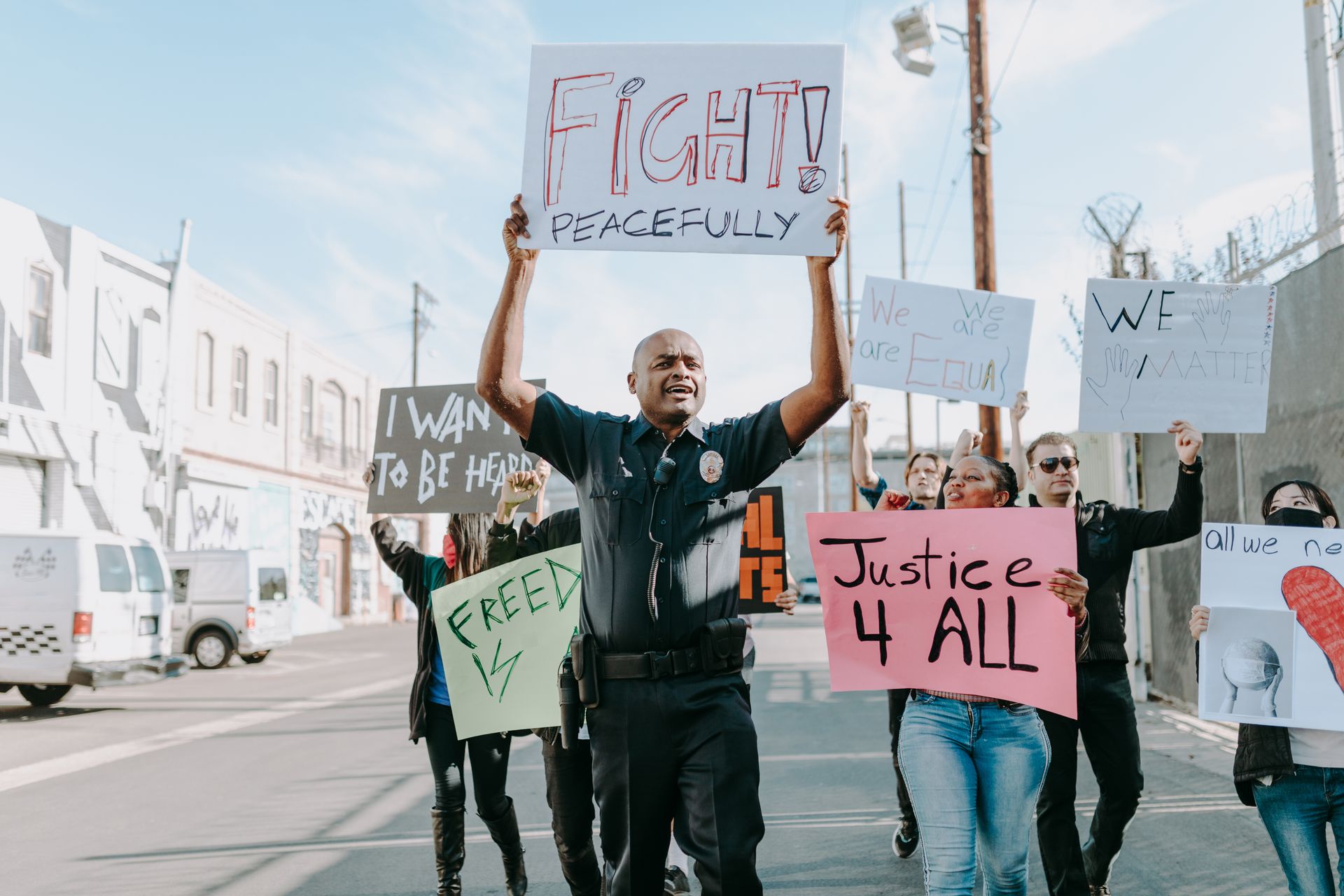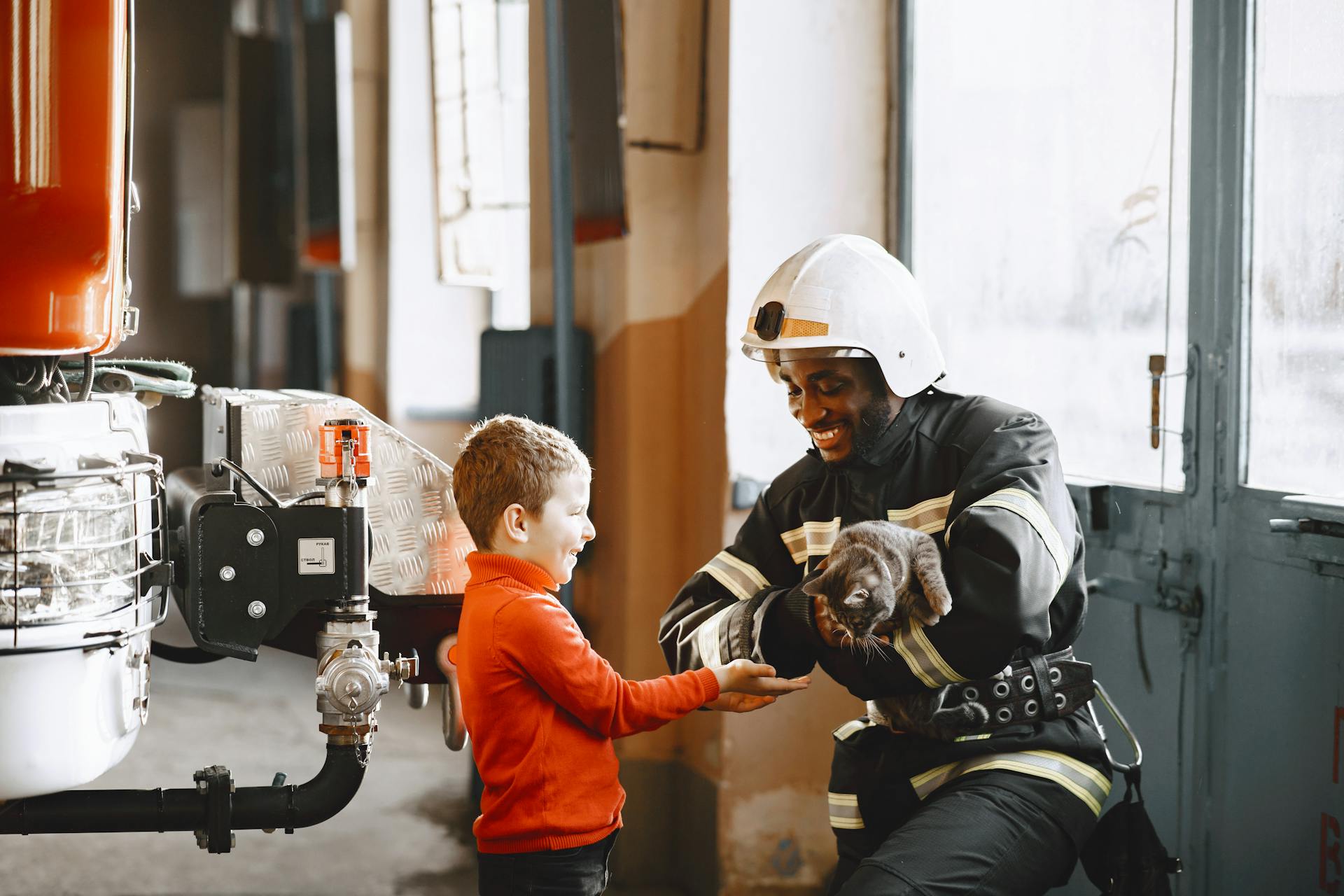
The ASPCA police work tirelessly to protect animals and communities across the country. They conduct undercover investigations to expose animal cruelty and neglect.
These investigations often involve gathering evidence, interviewing witnesses, and collaborating with local law enforcement agencies. The ASPCA police also provide expert testimony in court to help ensure justice is served.
By working together with local authorities, the ASPCA police have made a significant impact in reducing animal cruelty and abuse. In fact, since 2004, the ASPCA has helped secure over 1,000 convictions for animal cruelty.
Their efforts have also led to the rescue of thousands of animals in need, providing them with a second chance at a happy and safe life.
A fresh viewpoint: How to Stop Cruelty towards Animals
A fresh viewpoint: British Animal Charities
Law Enforcement Authority
ASPCA Law Enforcement officers are certified as New York State peace officers, giving them the authority to make arrests and use physical and deadly force when necessary.
They can also carry a range of equipment, including firearms, batons, pepper spray, and handcuffs.
ASPCA officers have the power to seize stray or abandoned animals on public streets, which is outlined in the N.Y. Agriculture & Market laws Section 373 subsection 1.
They can also seize animals on private property if they've been left in an unhealthy or unsanitary condition for more than 12 hours, as long as a complaint has been filed.
ASPCA officers with a court order can make regular visits to check on the welfare of animals in private residences or establishments.
In emergency situations, ASPCA officers can intervene to prevent animal cruelty, thanks to NYS Agriculture and Markets Law Section 371.
Here's a breakdown of the specific powers and responsibilities of ASPCA Law Enforcement officers:
- Arrests and use of force (NYS Criminal Procedure Law 2.10)
- Car stops and issuing summonses
- Carrying firearms, batons, pepper spray, and handcuffs
- Seizing stray or abandoned animals on public streets (N.Y. Agriculture & Market laws Section 373 subsection 1)
- Seizing animals on private property in unhealthy conditions (NY Agriculture and Markets Law Section 373 subsection 2)
- Regular visits to check on animal welfare (N.Y. Agriculture & Market law Section 373 subsection 7)
- Intervening in animal cruelty situations (NYS Agriculture and Markets Law Section 371)
Law Enforcement Operations
ASPCA Law Enforcement officers have the authority to make arrests, use physical and deadly force, and carry a firearm, baton, pepper spray, and handcuffs. They are New York State peace officers under NYS Criminal Procedure Law 2.10.
Intriguing read: Police K9 Case Law
ASPCA Law Enforcement officers can seize stray or abandoned animals on public streets and animals on private property that have been kept in unhealthy or unsanitary conditions. They can also make regular visits to residences or establishments to check on animal welfare with a court order.
Here are some key powers of ASPCA Law Enforcement officers:
- Seize stray or abandoned animals on public streets
- Seize animals on private property in unhealthy or unsanitary conditions
- Make regular visits to residences or establishments with a court order
- Interfere to prevent animal cruelty in their presence
ASPCA Law Enforcement officers receive specialized training, including peace officer training, investigator training, and firearms training. They work closely with law enforcement agencies across the country to investigate animal cruelty cases and rescue animals in need.
Crime Scene Investigation
The ASPCA has a dedicated animal cruelty crime scene investigation unit, which was created in 2007. This unit is equipped with a Ford E-450 vehicle that serves as a mobile crime lab.
The van is equipped with a surgery area for injured animals, as well as evidence processing, documentation, and storage equipment. This setup allows the forensic veterinarian on staff to document evidence effectively.
The Crime Scene Investigation unit is not limited to New York City, as it can be deployed to any area of the United States at the request of a law enforcement agency.
Law Enforcement Rescues 300 Dogs Across 4 States
ASPCA Law Enforcement officers are New York State peace officers, authorized to make arrests, use physical and deadly force, and carry a firearm, baton, pepper spray, and handcuffs.
In a 30-day operation, law enforcement agencies across four states partnered with the ASPCA to rescue nearly 300 mistreated dogs from multiple operations, including criminal cases.
ASPCA officers can seize stray or abandoned animals on public streets and animals on private property that have been kept in unhealthy conditions for more than 12 hours.
The operation involved multiple law enforcement agencies, including the Sussex County Prosecutor's Office, Vernon Township Police Department, Union County Sheriff's Office, and Midlothian Police Department.
ASPCA officers can also make regular visits to residences or establishments where animals are being kept to check if they are receiving necessary food, water, and care.
The rescued dogs were found in deplorable living conditions, surrounded by their own feces and urine, and subjected to ammonia exposure.
Here is a breakdown of the rescue operations:
Note: The article does not specify the exact number of dogs rescued in Florida, but it is mentioned that the Union County Sheriff's Office is located in Florida, not Mississippi.
Law Enforcement Training
ASPCA Humane Law Enforcement officers received extensive training to prepare them for their role. They received peace officer training, which is a comprehensive program that covers a wide range of topics.
In addition to peace officer training, ASPCA Humane Law Enforcement officers also received investigator training. This training helps them to gather evidence and build cases against animal abusers.
ASPCA Humane Law Enforcement recruits began attending a specialized investigator training course through the New York City Police academy in 1999. This course provided them with the skills and knowledge they needed to succeed in their roles.
ASPCA Humane Law Enforcement officers also received firearms training, which is essential for their work.
Here's an interesting read: K9 Police Officer
Frequently Asked Questions
Does the ASPCA have legal authority?
The ASPCA has had legal authority since 1866, when it was granted the power to enforce anti-cruelty laws in New York. This authority has likely been expanded to other jurisdictions over time, but the exact scope is not specified here.
How much does Matt Bershadker make a year at the ASPCA?
ASPCA CEO Matt Bershadker's annual salary exceeds $1 million. Donations to local shelters may be a more direct way to support pet care.
What's the difference between ASPCA and SPCa?
ASPCA is a national organization headquartered in New York City, while local animal shelters like the Houston SPCA operate independently and rely on community support
Featured Images: pexels.com