The Arizona Blonde Tarantula is a species of spider that's native to the southwestern United States.
These spiders are relatively small, with a body length of about 1.5 inches.
They have a distinctive blonde coloration, which helps them blend in with their desert surroundings.
The Arizona Blonde Tarantula is a burrowing species, creating complex networks of tunnels and dens.
They are nocturnal, spending most of their time hiding in their burrows during the day.
Care and Housing
The Arizona Blonde tarantula is a great species to start with, and with the right care and housing, they can thrive. Aphonopelma chalcodes tarantulas need a lot of substrate to burrow, so make sure to provide several inches of coconut fiber, peat moss, or other soil and keep it damp.
They also need a large, horizontally oriented enclosure with enough room to burrow but not climb. Adult tarantulas will need a hide or somewhere to retreat, while slings can be kept in small deli cups.
A dry climate is perfect for this species, and they thrive in temperatures between 70-85 degrees Fahrenheit, with 75-80 degrees being ideal. A small, shallow water dish should always be present, but misting is not necessary.
Here are some specific housing requirements for Arizona Blonde tarantulas:
- Substrate: Coconut fiber, peat moss, or other soil
- Decor: Large, horizontally oriented enclosure with hide or retreat
- Humidity: Dry climate
- Ventilation: Several small holes at the top of the enclosure
- Water: Small, shallow water dish
By following these guidelines, you can provide your Arizona Blonde tarantula with a happy and healthy environment.
Behavior and Temperament
Arizona blonde tarantulas are generally not aggressive. They are more likely to retreat than to attack when threatened.
Mature Arizona blonde tarantulas are known for their calm and docile demeanor. This makes them an excellent display species.
However, they can become defensive if provoked, kicking urticating hairs and, on occasion, biting. They may also raise their front legs as a warning or eject urticating hairs from their abdomen when threatened.
Behavior & Temperament
Arizona blonde tarantulas are generally not aggressive, but they can become defensive if provoked.
They may kick urticating hairs or bite if threatened, so it's essential to exercise caution when handling them.
As they mature, these tarantulas tend to remain relaxed, but their younger counterparts are more sensitive and prone to retreating into their burrows when disturbed.
It's crucial to assess the individual temperament of an Arizona blonde tarantula before handling it to minimize the risk of falls or defensive behavior.
They may even go on occasional hunger strikes, especially during cooler periods, so be sure to provide a nutritious diet and a comfortable environment.
Do spiders make webs?
Spiders don't always make traditional webs.
Some species, like the Arizona blonde tarantula, use silk in specialized ways to reinforce their burrows and detect vibrations from prey or threats.
These tarantulas line the walls and entrance of their burrows with silk to keep out debris.
They also create silk mats around their burrow entrances to detect vibrations.
During molting, they spin a silk mat on the ground to provide a soft surface for shedding their exoskeleton.
This unique use of silk is a key part of their behavior and temperament.
Do Climb?

Arizona blonde tarantulas can climb, but they prefer to stay close to the ground.
They are primarily a ground-dwelling species, which means they're most comfortable in low-lying areas.
Their bulky bodies and heavier build make them less suited for extensive climbing.
While they can climb low vegetation or rough surfaces if needed, they're not as adept climbers as arboreal tarantulas.
Arizona blonde tarantulas are adapted to living in areas with plenty of ground cover, where they can easily move around without having to climb.
This helps them conserve energy and stay safe from predators.
Health and Safety
Arizona blonde tarantulas can bite, but they do so rarely and usually only as a last resort when they feel threatened or provoked.
Be very gentle and careful when handling any spider, as even gentle handling can be considered harassment to these tarantulas.
Their venom is not considered dangerous to humans and is comparable to a bee or wasp sting.
A bite may cause minor symptoms like localized pain, redness, and swelling for most people.
It's worth noting that Arizona blonde tarantula venom is primarily meant to subdue prey, such as insects, rather than harm larger animals or humans.
So, while it's essential to exercise caution, the risk of serious harm from an Arizona blonde tarantula bite is extremely low.
Feeding and Growth
Arizona blonde tarantulas primarily eat insects and other small invertebrates. Their typical prey includes crickets, grasshoppers, beetles, and other arthropods.
Feeding your Arizona blonde tarantula a varied diet is essential for its growth and development. You can supplement their natural diet with commercial insect food if needed.
A balanced diet will help your tarantula grow and thrive in captivity.
What Do Eat?
Arizona blonde tarantulas primarily eat insects and other small invertebrates. Their diet consists of crickets and grasshoppers, which are staples in the wild.
They also enjoy snacking on beetles and other arthropods.
Size of Growth
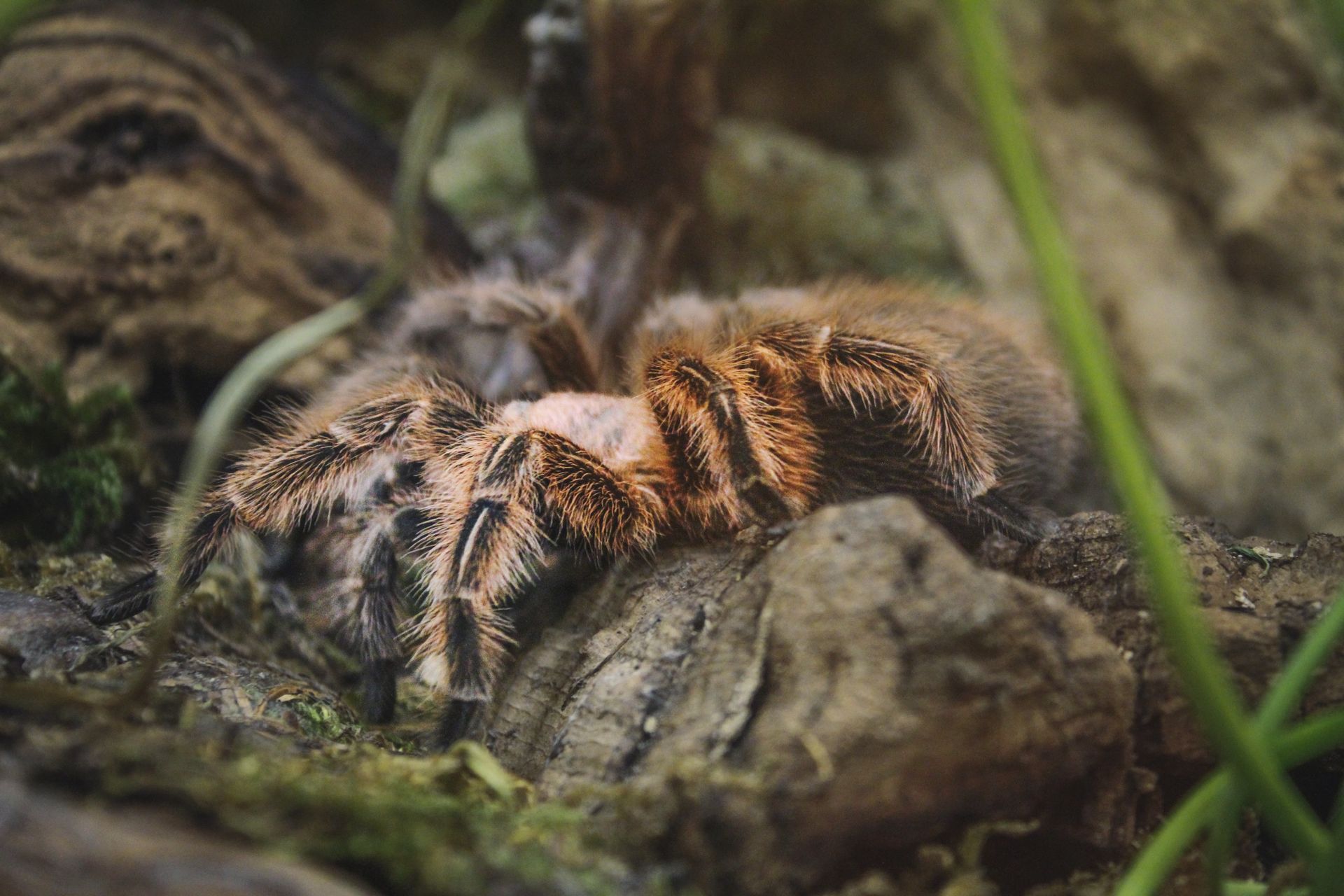
When it comes to growth, Arizona blonde tarantulas can reach some impressive sizes. Adult females typically have a leg span of about 4.5 to 6 inches.
Their body length is usually around 2 to 3 inches, which is quite substantial. Males, on the other hand, are generally smaller, with a leg span of approximately 3.5 to 4.5 inches.
Habitat and Environment
The Arizona Blonde Tarantula inhabits the arid regions of southern Arizona and northern Mexico, particularly in the Sonoran Desert.
In the wild, it constructs opportunistic burrows in soft, well-draining soil to escape the intense sun and extreme temperature fluctuations.
To replicate these conditions in captivity, an enclosure with ample, deep substrate that supports natural burrowing and minimizes the risk of falls is essential.
This type of enclosure will help maintain the tarantula's health and well-being.
Breeding and Maintenance
Breeding Aphonopelma chalcodes in captivity is a slow but relatively straightforward process. Given the species' long lifespan and slow growth rate, it's essential to replicate the natural breeding cycle in captivity.
In the wild, their breeding cycle follows seasonal changes, which can improve success rates in captivity. This means mimicking the natural temperature fluctuations and humidity levels that the Arizona Blonde Tarantula would experience in the wild.
The Arizona Blonde Tarantula's slow growth rate means you'll have plenty of time to learn and adjust to caring for them. With patience and proper care, you can enjoy the rewarding experience of breeding these amazing spiders.
A stable and controlled environment is crucial for successful breeding, so make sure to provide a suitable enclosure with adequate space, temperature, and humidity levels.
If this caught your attention, see: Arizona Wild Horses
Frequently Asked Questions
How venomous is an Arizona Blonde Tarantula?
Arizona Blonde Tarantulas are venomous, but their bite is similar in potency to a bee sting, making them relatively harmless
Featured Images: pexels.com