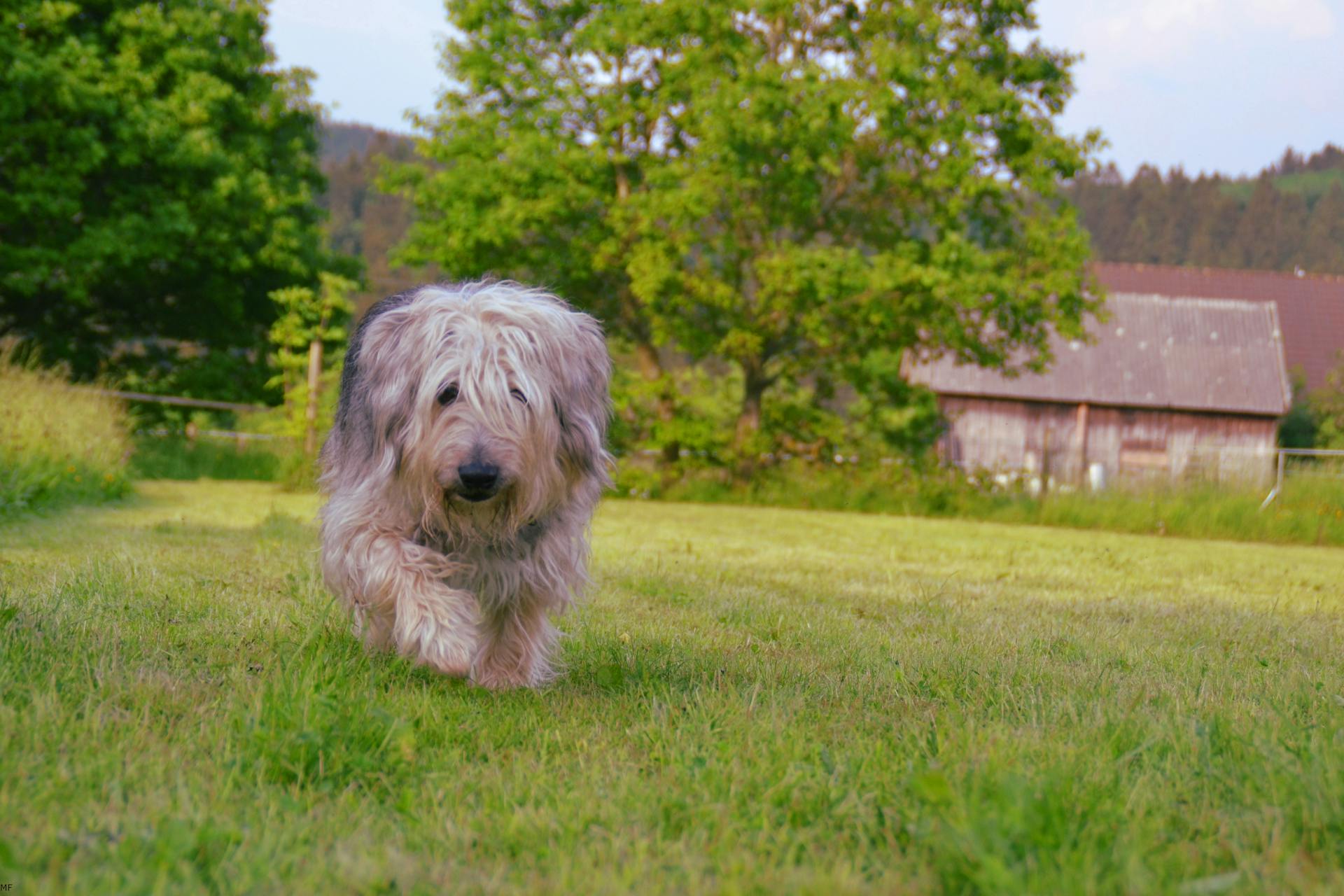
No, Newfoundland dogs are not hypoallergenic. They are not a good choice for people with allergies.
Their thick coats shed excess hair year-round, spreading dander year-round. They also drool more than other dogs.
If you have allergies, avoid this breed or find a more suitable dog.
Broaden your view: Mini Sheepadoodle Hypoallergenic
Why Newfoundland Dogs Are Not Hypoallergenic
Newfoundland dogs are not hypoallergenic because of their thick coats, which shed excess hair year-round. That shedding spreads dander year-round as well.
They also drool more than other dogs, which is another reason they are unsuitable for allergy sufferers.
No Dog Is 100% Hypoallergenic
The protein that causes allergies can also be found in a dog's saliva, feces, and urine. Because all dogs produce saliva, feces, and urine, there is no dog that is 100% hypoallergenic.
If you suffer from allergies, speak to your doctor first.
Individual Dogs and People Vary
How hypoallergenic a specific dog is may depend on the individual dog and person. Not all dogs produce the same proteins in the same amounts, so some people can be allergic to a specific dog rather than a specific breed.
Breeds That May Be Better for People with Allergies
Some breeds may be better suited for people with allergies. The Poodle, Bichon Frise, Shih Tzu, Maltese, and Portuguese Water Dog shed less and are thought to release fewer allergens than Newfoundland dogs. They are much less likely to trigger an allergic reaction in sensitive individuals.
For a larger breed, the Goldendoodle and Labradoodle have coats that shed less and might produce fewer allergens than Newfoundland dogs, making them better choices for people with allergies. They are still not 100% hypoallergenic.
- Poodle
- Bichon Frise
- Shih Tzu
- Maltese
- Portuguese Water Dog
- Goldendoodle (larger option)
- Labradoodle (larger option)
Grooming a Newfoundland to Minimize Contact with Allergens
If you already have a Newfoundland, regular grooming can help minimize contact with allergens.
- Set up a weekly and sometimes even daily grooming routine.
- Use the right techniques to minimize contact with allergens.
- Consider taking your dog to the groomer regularly.
- Or get a non-allergic person to help, so dander from excess shedding fur does not contaminate your house and clothes.
Frequently Asked Questions
What makes Newfoundland dogs a poor choice for people with allergies?
Newfoundland dogs have thick coats that shed excess hair year-round, which spreads dander year-round. They also drool more than other dogs, adding another allergen source.
Is any dog breed truly 100% hypoallergenic?
No. The protein that causes allergies can also be found in a dog's saliva, feces, and urine, and all dogs produce these, so no dog is 100% hypoallergenic.
Can I be allergic to one dog but not another of the same breed?
Yes. How hypoallergenic a specific dog is may depend on the individual dog and person, because not all dogs produce the same proteins in the same amounts. Some people can be allergic to a specific dog rather than a specific breed.
Which dog breeds may be better for people with allergies than Newfoundlands?
Breeds that may be better suited include the Poodle, Bichon Frise, Shih Tzu, Maltese, and Portuguese Water Dog. These shed less and are thought to release fewer allergens than Newfoundland dogs. For a larger option, the Goldendoodle and Labradoodle also shed less and might produce fewer allergens, though they are still not 100% hypoallergenic.
How can I reduce allergens at home if I already have a Newfoundland?
Groom your Newfoundland regularly, setting up a weekly and sometimes even daily routine. Use the right techniques to minimize contact with allergens, consider taking your dog to the groomer regularly, or get a non-allergic person to help so dander from excess shedding fur does not contaminate your house and clothes.
Featured Images: pexels.com