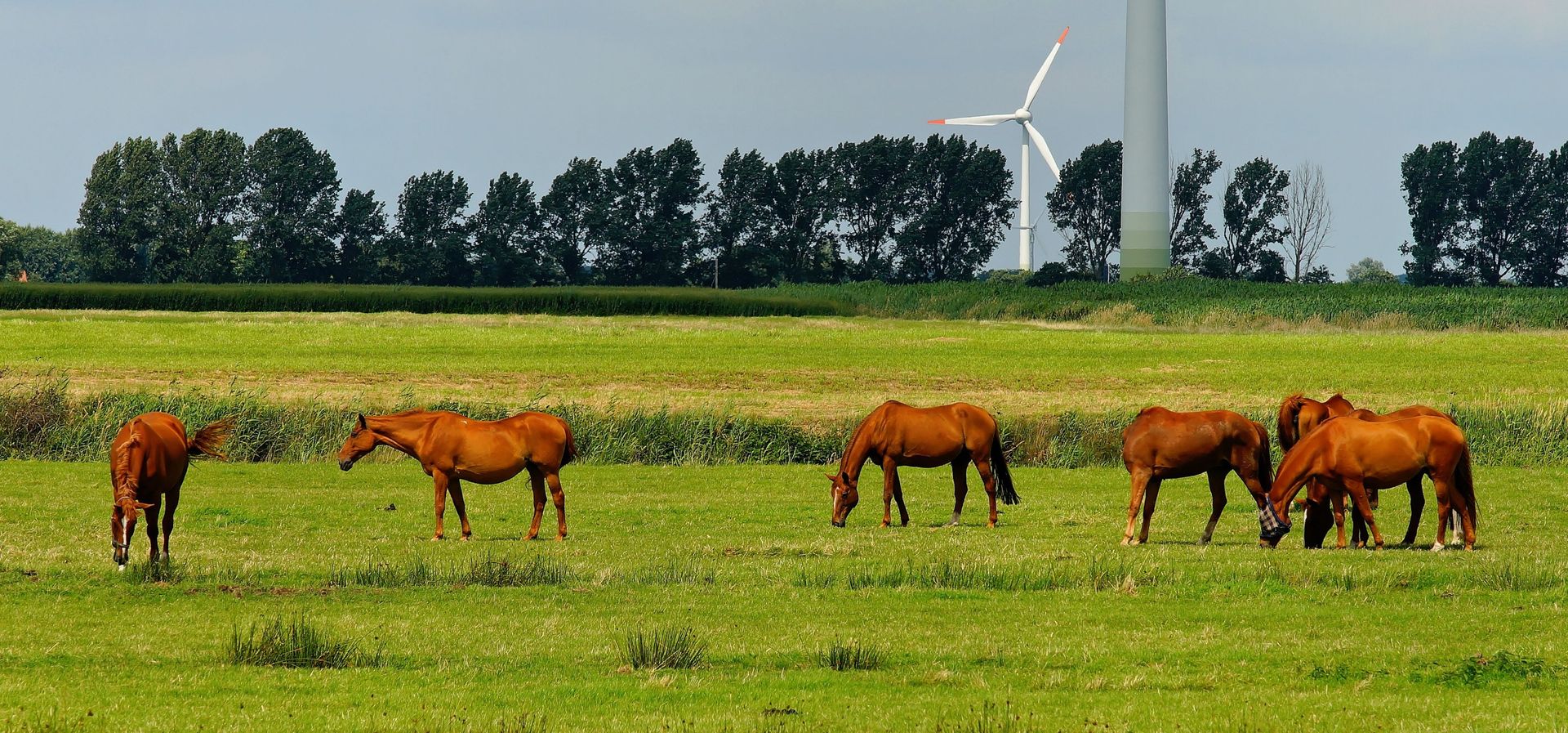
Horses can be quite friendly to humans, but it's essential to understand their nature and behavior. They are social animals that thrive on interaction and attention.
Horses are known to form strong bonds with humans, especially if they're handled gently and consistently from a young age. This is because they are highly intelligent and can pick up on subtle cues.
In the right environment, horses can be extremely affectionate and enjoy being around people. In fact, some horses will even nuzzle or lean against their owners for physical contact.
However, it's crucial to remember that horses are still animals and can be unpredictable at times. They have a natural instinct to defend themselves if they feel threatened or scared.
On a similar theme: Toxocara Canis in Humans
Positive Interactions
Positive interactions with horses can have a profound impact on their behavior and well-being. Horses reciprocate positive feelings, often showing affection through nuzzling, licking, and following their human companions around.
A study observed horses in the presence of their human companions, finding that they exhibited positive responses, such as nuzzling and licking. This suggests that horses can form strong bonds with humans.
Related reading: Human Years
To build a strong relationship with a horse, it's essential to remember that they remember positive associations. The key factors in forming these associations are perception, importance, and repetition.
Here are the factors that contribute to a horse's positive associations with humans:
- Perception: The horse's understanding of the situation and how it affects them.
- Importance: The significance of the interaction to the horse.
- Repetition: The frequency and consistency of positive interactions.
Positive interactions have a significant effect on equine behavior, making them more relaxed and willing to cooperate. This is evident in the way horses react after spending quality time with their humans, often becoming less anxious and easier to train.
Factors Affecting Perception
Horses can quickly pick up on our emotions and attitudes, making us either more likable or less so. A calm and confident human tends to earn a horse's respect quickly.
A nervous human, on the other hand, might make a horse anxious as well. Horses are good at reading body language, so keeping a relaxed posture is key. Unexpected movements can startle them, making any bond more difficult.
Understanding horse psychology is crucial for successful interactions. Building rapport requires not just knowledge, but also empathy.
Take a look at this: Why Was the Horse so Happy?
Lack of Trust
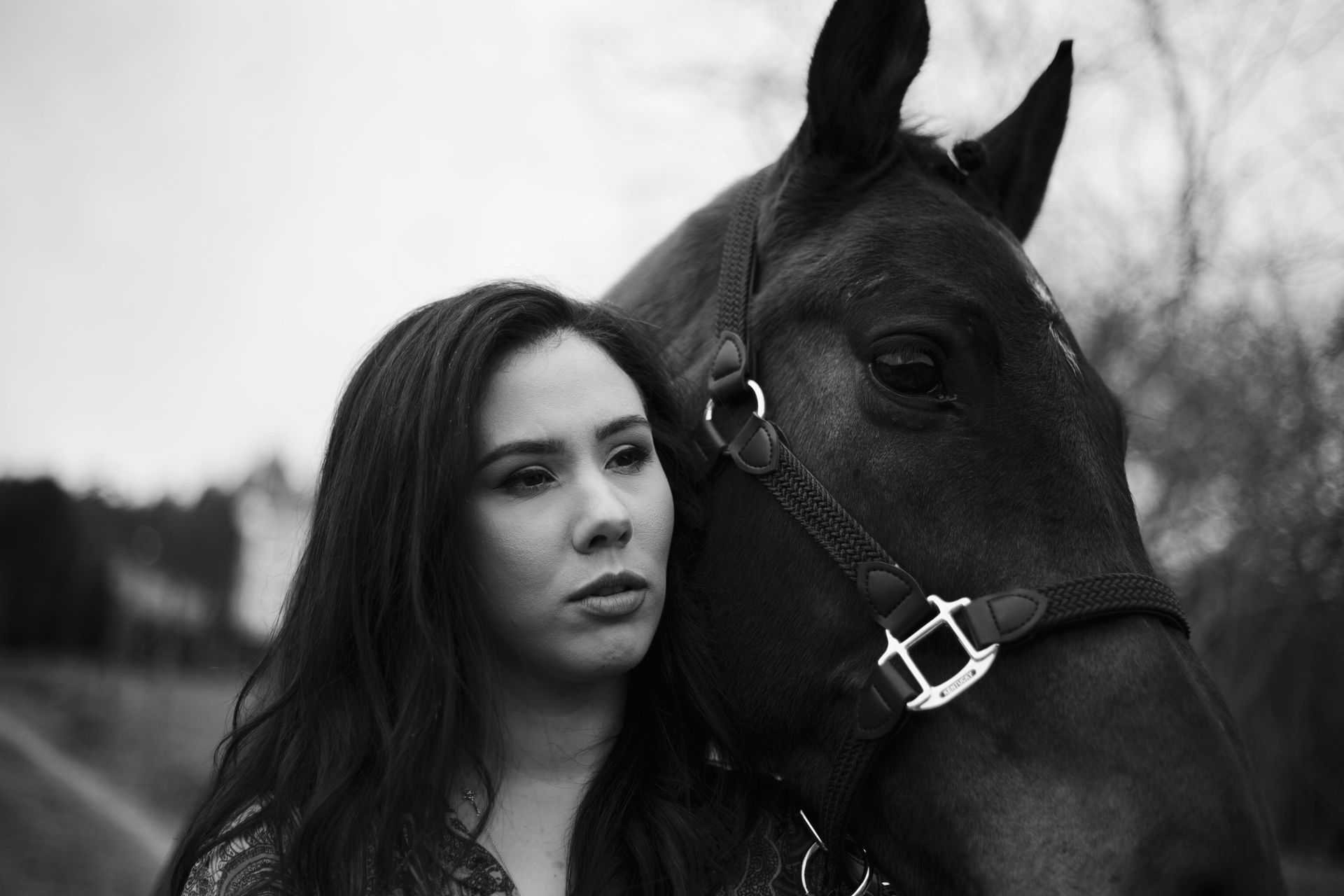
Horses develop a deepened sense of distrust through negative interactions, especially if they're led into danger.
As prey animals, horses are naturally skeptical, especially of predatory behavior.
A nervous human can make a horse anxious as well, which can be a real problem.
Horses will react very poorly to painful reinforcements, which can further erode trust.
If a horse has endured a rough encounter, it may carry that fear into future situations.
A bad memory can stick like gum on a shoe, making it hard for horses to trust humans again.
Horses will lose trust in humans when they're led into danger, so it's essential to prioritize their safety.
By understanding horse psychology, we can create a trusting environment where both horse and human feel secure.
A calm and confident individual tends to earn a horse's respect quickly, which is a great way to build trust.
Keeping a relaxed posture and using soothing voices can help ease tensions and build rapport with horses.
Consider reading: Boerboel Attacks on Humans
What Makes Humans Dislike
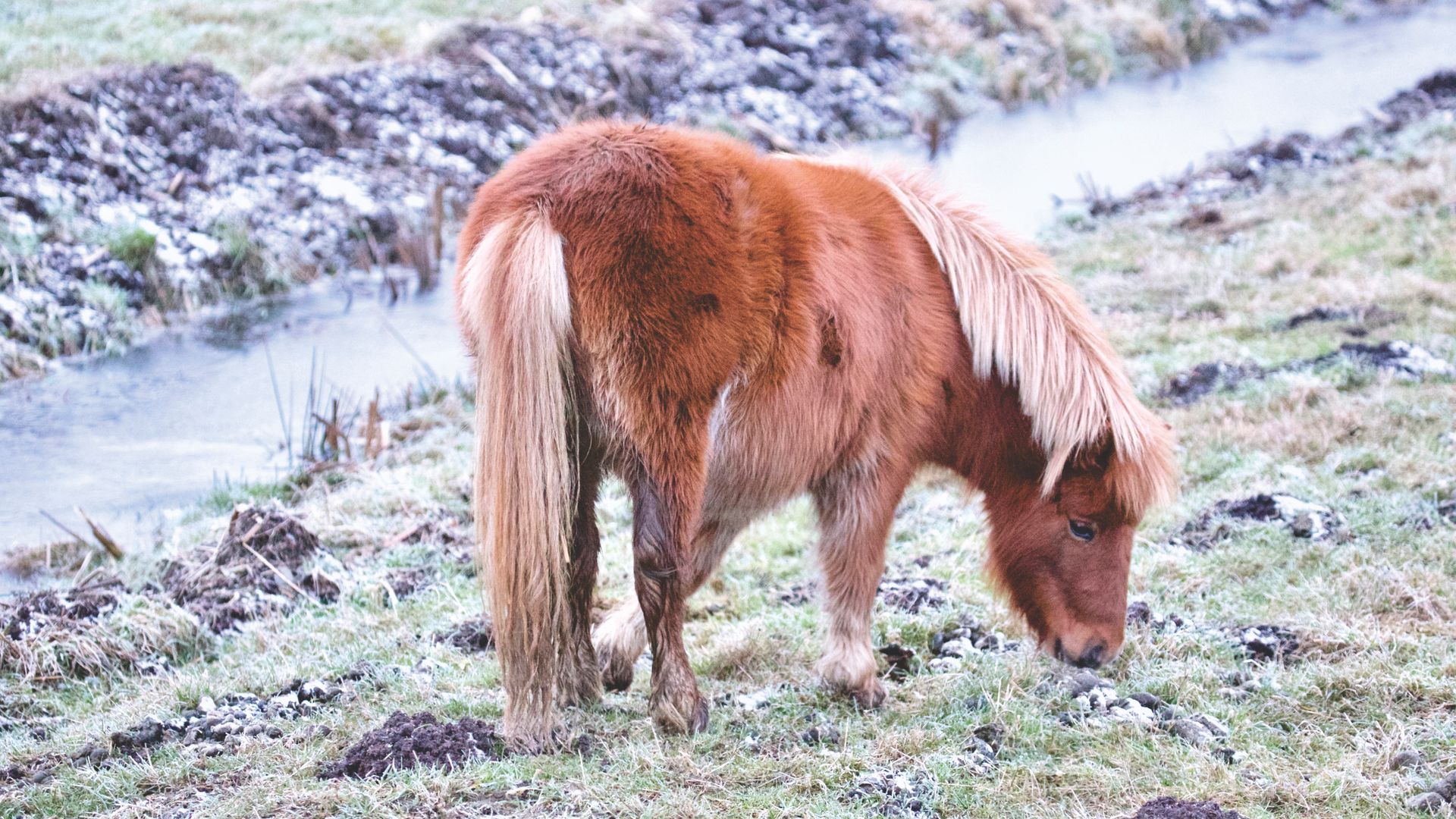
Horses develop trust over time, but negative associations can last a lifetime. This shows that perception can be influenced by past experiences.
Several factors can cause a horse to dislike a person, and these can carry over into relationships with other humans as well. These factors can be countered with time and effort.
Negative associations can be formed through various means, including past experiences that are emotionally charged. This can be seen in how horses form memories and emotions.
Building a Positive Relationship with Your Horse
Building a positive relationship with your horse is essential for their well-being and your own. Horses reciprocate positive feelings, so showing them kindness and affection can lead to a strong bond.
By spending quality time with your horse, you can create a positive and trusting relationship. This can be achieved during regular grooming, feeding, and play sessions. Horses require proper care and attention to maintain their health and well-being.
To build a strong bond, invest time in activities like grooming, which can help your horse relax and feel at ease. Groundwork, such as leading or lunging, also fosters communication and reinforces your bond.
Horses remember positive associations, which is why repetition and consistency are key in building a strong relationship. By showing your horse love, language, and leadership, you can create a balanced and trusting partnership.
Here are some key factors to consider when building a positive relationship with your horse:
- Perception: Understand how your horse perceives you and their surroundings.
- Importance: Recognize the importance of your interactions with your horse.
- Repetition: Consistently show your horse love, language, and leadership.
By paying attention to your horse's body language, sounds, and facial expressions, you can better understand their needs and feelings. This helps create a safer environment for both you and your horse.
Building trust is the cornerstone of a strong bond between a horse and a human. Approach your horse with kindness and patience, and over time, these feelings will blossom into a meaningful relationship.
Negative Experiences
Horses are capable of forming strong associations and memories, which can be influenced by their early experiences and interactions with humans. This means that a horse that has had a negative experience with a human may develop a distrust or dislike for humans.
See what others are reading: Horses That Bite Humans
Negative experiences can be especially detrimental to a horse's development, as they can carry past experiences like a heavy backpack and remember them for a long time. This is especially true if the horse had a negative experience during horse training.
Horses are sensitive creatures that can pick up on human emotions, and if you project anger, fear, or any other negative emotion, your horse will reflect it. This is why it's essential to learn to control your own emotions when interacting with your horse.
A horse that has faced harsh treatment or been subjected to loud noises may develop anxiety or fear around humans, even if those humans mean no harm. This is why creating a safe environment is crucial in building confidence and trust with your horse.
Horses are individuals with their own stories, and what works for one horse may not work for another. Building trust takes patience and consistent care, and every encounter can either reinforce fear or foster friendship.
Here's an interesting read: Why Are Labradors so Friendly
Research Studies
Horses can recognize their owner's voice and react differently than to strangers, suggesting they form preferences based on past experiences.
Early interactions between horses and humans are crucial in establishing a healthy relationship. Positive interactions, including confident leadership and time investment, are key to building strong bonds.
Horses can feel stress when left alone, which points to their capacity for attachment. This emotional response highlights the importance of providing horses with social interaction and attention.
Each horse is an individual, and some may never take to humans. However, with the right approach and positive interactions, many horses can form strong and lasting bonds with their human caregivers.
Human-Horse Relationship
Horses can form strong bonds with humans, with some owners describing their relationships as friendships. These bonds are built on trust and mutual understanding.
A horse's early experiences can shape its reactions to humans, with positive experiences leading to a more trusting nature. Harsh treatment, on the other hand, can lead to fear or unresponsiveness.
Horses that receive gentle handling tend to develop a friendlier disposition, making them more approachable and affectionate. This highlights the importance of kind training techniques.
Building trust with a horse takes patience and consistent care, with every encounter playing a role in reinforcing fear or fostering friendship.
Understanding Horse Behavior
Horses communicate in ways that might not be obvious to us. They use body language, sounds, and even facial expressions. A flick of the ear can mean curiosity, while a stomp of the hoof might be frustration.
It's essential to pay attention to these signals to better understand their needs and feelings. Animal emotions play a crucial role in this relationship. For instance, a horse that feels anxious may react differently than one that feels secure.
Recognizing these feelings helps in horse care and provides a safer environment for both horse and human. Horses are good at reading body language, so keeping a relaxed posture is key. Unexpected movements can startle them, making any bond more difficult.
Here are some common horse behaviors and what they might mean:
- Flicking an ear: curiosity
- Stomping a hoof: frustration
- Nuzzling: affection
- Soft whinnying: excitement or interest
By understanding these behaviors, we can teach horses more effectively and build a stronger bond with them. A relaxed horse is usually more willing to learn, and with patience and compassion, we can create a trusting relationship that's truly special.
Individual Personality Differences
Horses have unique personalities, just like people. Some horses are naturally more social than others.
A horse that thrives on companionship may approach humans eagerly, while a more reserved horse might keep its distance. Observing these differences can help in building a bond.
Some horses, like a playful stallion, may gallop towards you, while a shy mare may hide behind a tree, pondering whether to engage.
Each horse's temperament can greatly influence their reactions in horse-human interaction. This means understanding equine behavior is crucial for effective training and care.
Horse Behavior and Communication
Horses communicate in various ways, including body language, sounds, and facial expressions. A flick of the ear can indicate curiosity, while a stomp of the hoof might be a sign of frustration.
It's essential to pay attention to these signals to better understand a horse's needs and feelings. Animal emotions play a crucial role in the relationship between horse and human, and recognizing these emotions can help create a safer environment for both.
A relaxed horse is more likely to be willing to learn, making training a more effective process. By understanding a horse's behavior, we can teach them more effectively and build a stronger bond.
Horses are naturally social animals and often form close relationships with their human caregivers. These relationships can be built on trust, love, and leadership, and can be a source of great joy and companionship.
Some horses are naturally more social than others, and their individual personalities can greatly influence their reactions in horse-human interaction. Observing these differences can help in building a bond and creating a more effective training program.
Horses respond well to positive energy and can reciprocate positive feelings. In fact, research has shown that horses show positive responses to their human companions, such as nuzzling, licking, and following them around.
Here are some key factors to consider when understanding horse behavior and communication:
- Perception: The subject of the memory and how it affects the horse
- Importance: The significance of the memory to the horse
- Repetition: The frequency with which the horse experiences the memory
By understanding these factors, we can better comprehend horse behavior and communication, and build stronger, more positive relationships with these amazing animals.
Human Perception and Attitude
Horses are highly attuned to human behavior and can pick up on our emotions. A calm and confident human tends to earn a horse's respect quickly.
Humans play a vital part in how horses perceive them. A nervous human, on the other hand, might make a horse anxious as well. Horses are good at reading body language, so keeping a relaxed posture is key.
If you approach a horse with open hands and a soothing voice, it can help ease tensions. Unexpected movements can startle them, making any bond more difficult. Building rapport requires not just knowledge, but also empathy.
A horse that trusts you is like a partner with whom you dance - a little clumsy at times, but profoundly rewarding when it all comes together. By understanding horse psychology, we can create a trusting environment where both horse and human feel secure.
By paying attention to a horse's body language, sounds, and facial expressions, we can better understand their needs and feelings. A flick of the ear can mean curiosity, while a stomp of the hoof might be frustration.
Consider reading: Human Muscle Protein Differ
Frequently Asked Questions
Do horses have feelings for humans?
Horses are capable of forming strong emotional bonds with humans, similar to dogs. These bonds are rooted in their social nature and can develop into deep attachments.
Can horses sense if you're a good person?
Horses can sense a person's emotional state and intentions, but it's not necessarily about being a "good" person - they're more attuned to your genuine emotions and energy. Understanding a horse's sensitivity to human emotions can help you build a stronger, more trusting relationship with them.
Featured Images: pexels.com