Hairless cats are often considered hypoallergenic because they don't have fur, which is a common allergen.
However, they still produce the protein Fel d 1 in their skin and saliva, just like furry cats. This protein is the primary culprit behind cat allergies.
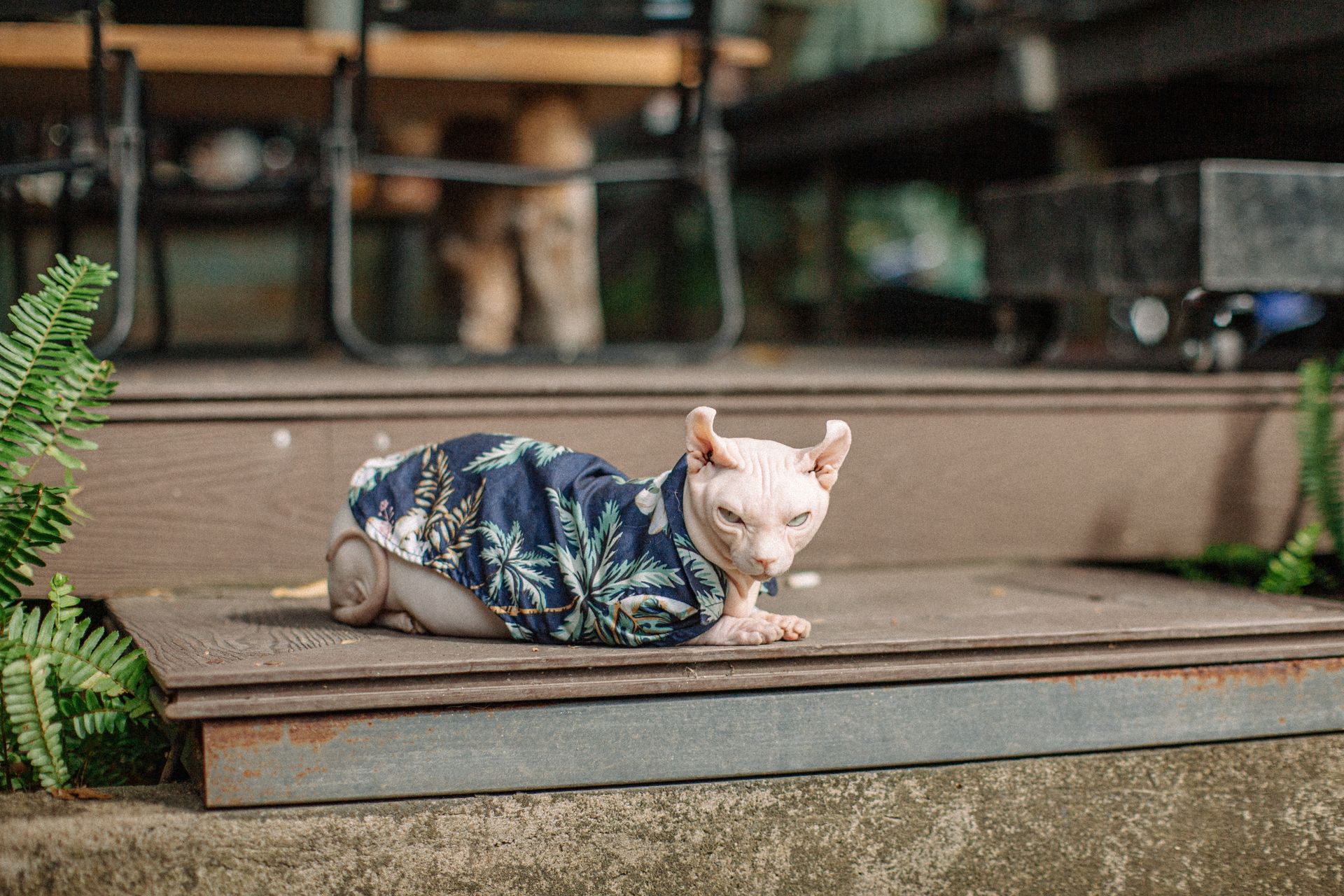
The Sphynx is one of the most well-known hairless breeds, and it's a popular choice for people with allergies. They require regular skin care to prevent oil buildup and skin problems.
Despite their lack of fur, hairless cats still need to be groomed to remove oils and dirt from their skin.
What Causes Allergies?
Cat allergies are a common issue for many people, and it's not just about the fur. The main culprit behind cat allergies is a protein called Fel d 1, found in cat saliva, dander, and urine. This protein is the primary allergenic substance responsible for triggering allergic reactions in humans.
The Fel d 1 protein is spread through a cat's grooming process, where saliva is transferred to the fur and skin. As the saliva dries, it releases tiny protein molecules into the air, which can become airborne and settle on surfaces.
Here's a breakdown of the key factors contributing to cat allergies:
Cat dander, in particular, is a significant contributor to allergies. It's made up of dead skin cells that contain the Fel d 1 protein. As cats groom themselves, they spread this dander around, making it easier for the allergens to spread.
Cat fur, while not the direct cause of allergies, can act as a carrier for dander, making it easier for the allergens to spread around the home. This is why even hairless cats can still trigger allergies in some people.
Hairless Cat Breeds
Hairless Cat Breeds can be a good option for those with allergies, but it's essential to note that they still produce allergens. The Sphynx breed, for example, produces a moderate level of allergens.
While some people may find them easier to manage due to their lack of fur, it's crucial to remember that every cat is different. Some Sphynx cats may produce more allergens than others.
If you're considering a hairless cat, it's worth noting that they still require regular grooming to remove oils from their skin. This can help reduce the amount of allergens they produce.
Here's a comparison of some popular hairless cat breeds:
These breeds may be a good starting point, but it's essential to remember that individual cats can vary in their allergen production, regardless of breed.
Are Hairless Cats Hypoallergenic?
Hairless cats are often thought to be a solution for people with cat allergies, but the truth is a bit more complicated. They still produce the Fel d 1 protein that causes allergic reactions in humans.
However, hairless cats may produce fewer allergens than cats with full coats because they don't shed fur, which can carry allergens throughout the home. Regular baths can also help reduce the amount of dander present on their skin and in the environment.
But here's the thing: hairless cats are not completely hypoallergenic. They still produce the Fel d 1 protein, and some studies suggest they may even produce more of it than cats with full coats.
Sphynx
The Sphynx breed is a unique and endearing cat, known for its large ears and fine layer of downy fuzz instead of fur. They have exposed skin that requires frequent bathing to remove oil buildup.
One of the main reasons people consider Sphynx cats as hypoallergenic is that they don't shed dander-filled fur. However, they still produce Fel d 1 in their saliva, which can trigger allergic reactions in some people.
Sphynx cats are known for their extroverted and friendly personalities, making them a great choice for those who want a social cat. They love attention from their humans and will often go out of their way to get noticed.
Despite their lack of fur, Sphynx cats still require regular care, including frequent bathing and occasionally applying oil to their skin to keep it in good condition.
Here's a comparison of the Sphynx breed's allergen level with other breeds:
To manage cat allergies with a Sphynx cat, regular bathing is essential. Bathing your cat at least once a week can help reduce dander and allergens.
Are Truly?
Are Truly Hypoallergenic?
Hairless cats are not completely hypoallergenic, as they still produce the Fel d 1 protein that causes allergic reactions in humans. Some studies suggest that hairless cats may even produce more of this protein than their furry counterparts.
Their lack of fur means they don't shed dander-filled hair, which is a common allergen. However, regular bathing is crucial to remove excess oils from their skin and reduce allergen levels.
While they may be less likely to trigger allergic reactions in some people, hairless cats can still cause problems for those with severe allergies. Individual cats, regardless of breed, can produce varying levels of allergens, making it essential to consider other factors when deciding on a pet.
Here are some key takeaways about hairless cats and allergies:
- They still produce Fel d 1 protein in their saliva.
- Regular bathing can help reduce allergen levels on their skin.
- No cat is completely hypoallergenic, and reactions can still occur.
If you're allergic to cats but still want to own one, a hairless cat might be a good option to consider. However, it's crucial to take steps to minimize allergens in your home, such as regular bathing, frequent cleaning, and using air purifiers.
Managing Allergies and Hairless Cats
Hairless cats are not completely hypoallergenic, but they can be a good option for people with allergies. They still produce the Fel d 1 protein, which is the main culprit behind cat allergies.
Regular bathing is crucial for hairless cats, as it helps remove excess oils from their skin and reduces allergen levels. You can bathe your hairless cat at least once a week using a gentle, hypoallergenic cat shampoo.
Frequent cleaning is essential for managing cat allergies, regardless of whether your cat is hairless or not. Vacuum your floors, carpets, and furniture often using a vacuum with a HEPA filter, and wash your cat's bedding and toys regularly.
Creating allergen-free zones in your home can also help reduce your exposure to allergens. Consider keeping your cat out of certain rooms, such as bedrooms, where you spend a lot of time.
Here are some strategies for managing cat allergies with a hairless cat:
- Regular bathing: Bathe your hairless cat at least once a week using a gentle, hypoallergenic cat shampoo.
- Frequent cleaning: Vacuum and dust your home regularly, and wash your cat's bedding and toys often.
- Air purifiers: Use HEPA air purifiers to remove allergens from the air.
- Designated cat-free zones: Keep certain areas of your home, like your bedroom, off-limits to your cat.
It's essential to consult your doctor if you're allergic to cats but still want to live with one. They can help you manage your symptoms with antihistamines or other allergy medications, and in some cases, allergy shots (immunotherapy) may help reduce your sensitivity to cat allergens over time.
Hypoallergenic Cat Breeds
Hypoallergenic cat breeds are a great option for people with allergies. They naturally produce fewer Fel d1 proteins, which are the main culprits behind cat allergies.
Some hypoallergenic cat breeds have only one layer of fur, rather than the three layers found in most cats. This means they shed fewer hairs and fewer cat allergens drift into and around your living space.
These breeds are a better choice for people with allergies because they produce less dander or fewer proteins than other breeds. This reduces the likelihood of triggering pet allergies.
Here are some characteristics of hypoallergenic cat breeds:
By choosing a hypoallergenic cat breed, you can safely snuggle up with your feline friend without worrying about triggering allergies.
Hairless Cat Care
Taking care of a hairless cat requires some special attention. You'll want to keep an eye on their skin health, which can be prone to dryness and irritation.
Brushing their coat regularly is a great way to remove dander and prevent skin problems. Run a fine-toothed comb through their fur to keep them clean and healthy.
Some veterinarians recommend giving hairless cats fish oil or omega-3 fatty acids to keep their skin healthy and reduce allergens. But don't forget to check with your vet before giving your kitty supplements.
It's also a good idea to bathe your hairless cat regularly, as their skin can be more sensitive to dirt and oils. However, enlisting the help of a non-allergic friend or family member may be necessary to avoid stirring up offending proteins on their body.
Here are some tips for keeping your hairless cat clean and healthy:
- Brush their coat regularly to remove dander and prevent skin problems
- Give them fish oil or omega-3 fatty acids under the guidance of a veterinarian
- Bathe them regularly, but be cautious of stirring up offending proteins
- Enlist the help of a non-allergic friend or family member for bathing
Featured Images: pexels.com