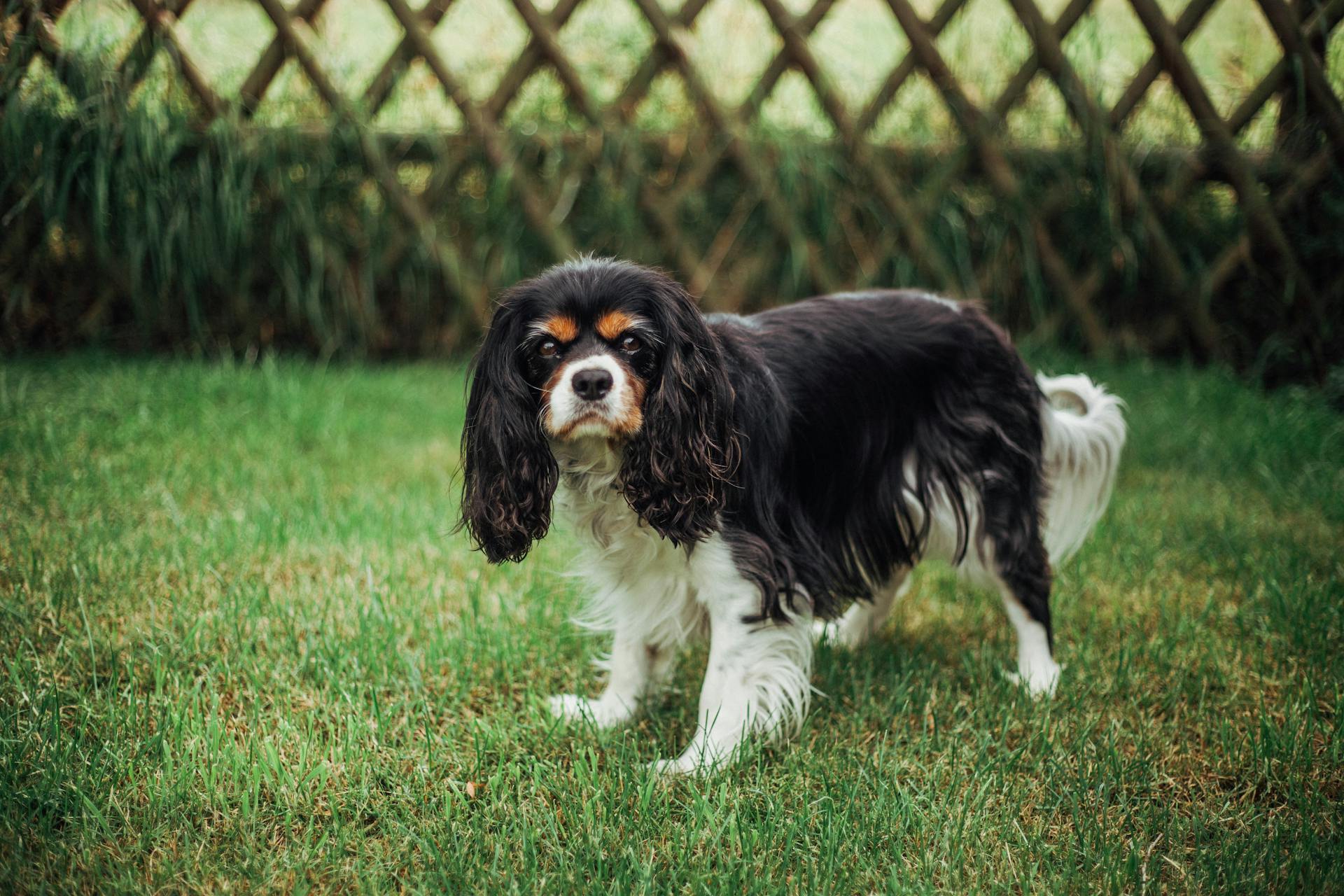
Cavalier King Charles Spaniels are known for being gentle and affectionate companions, but are they also easy to train? According to experts, they have a moderate level of trainability, which means they can learn with patience and consistency.
Their independent nature can sometimes make training a challenge, but with positive reinforcement and reward-based methods, they can learn quickly. With early socialization and training, they can grow into well-behaved adult dogs.
Their intelligence is average to above-average, which is a plus for training, but their short attention span requires frequent breaks and engagement.
Understanding the Breed
The Cavalier King Charles Spaniel is a breed known for its gentle and affectionate nature, making them a popular choice as a family pet. They have a short stature, with adults comparable in size to adolescents of other larger spaniel breeds.
Their short legs and lustrous coat make them a charming companion. One of the most stable temperaments among toy breeds, they are generally easy-going and outgoing, getting along well with other dogs and people.
Curious to learn more? Check out: Ruby Short Hair Cavalier King Charles Spaniel
This breed has four main coat colors: black and tan, chestnut and white, black, white and tan, and deep red or ruby. Their loving nature and ease of training make them a great fit for families and apartment living.
Cavalier King Charles Spaniels are known for being fun-loving and sweet, with an easy-to-train personality. They require minimal physical exercise and are great lap dogs, making them perfect for those who want a low-maintenance pet.
Here are some unique breed traits that make them stand out:
- Fun-loving and sweet
- Easy to train
- Great for apartment or condo living
- Great family dog
- Easy to groom/coat care
- Known for nuisance barking
- Obsessive with catching flies
- Doesn't require much physical exercise
- Great lap dog
- Generally good with other dogs
Training Basics
Cavalier King Charles Spaniels are known for their intelligence and willingness to please, making them quick learners and eager to participate in training sessions.
Their natural affinity for human companionship and gentle temperament make them well-suited for training, as they thrive on positive reinforcement and praise from their owners.
Consistency is crucial when training a Cavalier King Charles Spaniel, so establish a consistent routine and use the same commands and signals to help them understand what is expected of them.
Positive reinforcement is key, as Cavalier King Charles Spaniels respond well to rewards such as treats, praise, or play, which encourages them to repeat desired behaviors.
Early socialization is essential for their development and training, exposing them to different people, animals, environments, and situations will help them become well-rounded and confident.
Patience and persistence are also vital, as some individuals may require more time and patience to grasp certain commands or behaviors.
Here are some key training goals to consider:
By setting these training goals and using positive reinforcement, patience, and persistence, you can help your Cavalier King Charles Spaniel become a well-behaved and well-trained companion.
Training Techniques
Training your Cavalier King Charles Spaniel can be a fun and rewarding experience with the right techniques.
Clicker training is a popular and effective method for training this breed, as it involves using a clicker to mark the desired behavior and reward your dog with treats.
Reward-based training is also a great way to train your Cavalier, as it involves using treats, praise, or play to reward desired behaviors.
Using marker words like "yes" or "good" can help your dog associate the desired behavior with a positive outcome.
Consistency is key when training your Cavalier, so choose simple and clear commands for each behavior you want to teach.
Here are some effective training techniques to keep in mind:
Training sessions should be short and enjoyable for your dog, so aim for multiple short sessions throughout the day.
Core Commands and Socialization
Core Commands and Socialization are essential for training a Cavalier King Charles Spaniel. They lay the foundation for good behavior and help establish a strong bond between you and your dog.
Teaching basic commands like Sit, Stay, Come, and Leave it is crucial for their safety and your peace of mind. These commands can be taught using positive reinforcement techniques, such as rewarding your dog with treats and praise when they perform the desired behavior.
Check this out: Cavalier King Charles Spaniel Behavior Problems
The crucial period for a young dog's behavioral development starts at 3 weeks and ends at 16 weeks. During this period, King Charles puppies need positive experiences and interactions with their littermates, various people, and a range of noises, smells, and sounds.
To socialize your Cavalier King Charles Spaniel, arrange playdates with other friendly and vaccinated puppies, introduce them to a variety of people, and expose them to different environments. Reward them with treats, praise, or play for calm and confident behavior during socialization outings.
Here are some basic commands that you can start teaching your Cavalier King Charles Spaniel:
Core Commands for Dogs
Teaching your dog core commands is an essential part of their training. These commands lay the foundation for good behavior and help establish a strong bond between you and your dog.
The first command to focus on is "sit." To teach your dog to sit, start by holding a treat close to their nose and slowly moving it upwards. As they follow the treat with their nose, their bottom will naturally lower into a sitting position.
You should reward your dog with the treat as soon as their bottom touches the ground and say "sit." Repeat this process several times until your dog associates the word "sit" with the action.
The "stay" command is also crucial for your dog's safety and your peace of mind. To teach your dog to stay, start by having them sit in front of you, then take a step back and wait for a few seconds before returning to reward them with a treat.
The distance and duration of the stay command should be gradually increased as your dog becomes more comfortable and reliable.
Here are the core commands to teach your dog:
- Sit
- Stay
- Come
- Leave it
Remember to be patient and consistent when teaching these commands. Practice them in a distraction-free environment initially and gradually introduce distractions as your dog becomes more proficient.
Socialization
Socialization is a crucial part of your Cavalier King Charles Spaniel's development and training. It's essential to expose them to different people, animals, environments, and situations to help them become well-rounded and confident.
You should start socializing your puppy as early as 3 weeks old, during the crucial period for their behavioral development. This period ends at 16 weeks, and it's essential to provide positive experiences and interactions with their littermates, various people, and a range of noises, smells, and sounds.
Arrange playdates with other friendly and vaccinated puppies to allow your Cavalier King Charles Spaniel to interact with dogs of similar age and size. This will help them develop appropriate social skills and learn to communicate with other dogs.
Introduce your dog to a variety of people, including adults, children, and individuals wearing different types of clothing. Encourage positive interactions by rewarding your dog with treats and praise when they approach new people calmly and politely.
Expose your dog to different environments, such as parks, beaches, or outdoor cafes. This will help them become comfortable and confident in different settings.
Remember to reward your dog with treats, praise, or play for calm and confident behavior during socialization outings. This will help them associate new experiences with positive rewards instead of fear.
Here are some key socialization tips to keep in mind:
- Puppy playdates with other vaccinated puppies
- Meeting new people, including adults, children, and individuals wearing different types of clothing
- Exposure to different environments, such as parks, beaches, or outdoor cafes
- Positive experiences and rewards for calm and confident behavior
By following these socialization tips and continuing to expose your dog to new experiences throughout their life, you can help them become a confident and well-adjusted member of your family.
Addressing Challenges
Addressing challenges in training a Cavalier King Charles Spaniel requires patience and consistency. Consistency is key to successfully housebreaking your puppy, so establish a regular schedule and reward them with praise and treats when they eliminate in the right spot.
Housebreaking, leash reactivity, separation anxiety, and excessive barking are common challenges you may face. To address these issues, understand that each challenge requires a tailored approach. For example, housebreaking involves taking your puppy outside after meals, naps, and playtime, while leash reactivity requires desensitization and counter-conditioning exercises.
Here are some common challenges you may encounter and how to address them:
- Housebreaking: Consistency and a regular schedule are key.
- Separation Anxiety: Gradually acclimate your dog to being alone by leaving them alone for short periods and increasing the duration.
- Leash Reactivity: Work on desensitization and counter-conditioning exercises.
- Excessive Barking: Identify the triggers and redirect your dog's attention to an appropriate behavior.
Remember, patience and positive reinforcement are essential in addressing these challenges. If you're struggling, seek guidance from a professional dog trainer.
Prepare and Manage Expectations
Preparing for your new puppy's arrival is crucial to a smooth transition for both you and your furry friend. Stock up on essential pet supplies beforehand to spend quality time with your pup.

Having a dedicated room for your puppy to play and rest without getting into trouble is a must. Use baby gates or room dividers to create a safe boundary.
A daily schedule for feeding, housetraining, sleeping, and playing will help your puppy learn what's expected of them. You can modify the timetable later as needed.
Staying home the first day with your new puppy allows you to bond and help them settle into their new surroundings.
Curious to learn more? Check out: Cavalier King Charles Spaniel Rescue New Jersey
Addressing Common Challenges
Housebreaking is one of the first challenges you may face when bringing home a Cavalier King Charles Spaniel puppy. Consistency and a regular schedule are key to successfully housebreaking your puppy.
Be patient and consistent, and avoid punishing your puppy for accidents. Punishing your puppy can create negative associations and make the housebreaking process even more challenging.
Separation anxiety can manifest as destructive behavior, excessive barking, or excessive whining when left alone. Cavalier King Charles Spaniels are known for their love of human companionship, which can sometimes lead to separation anxiety.
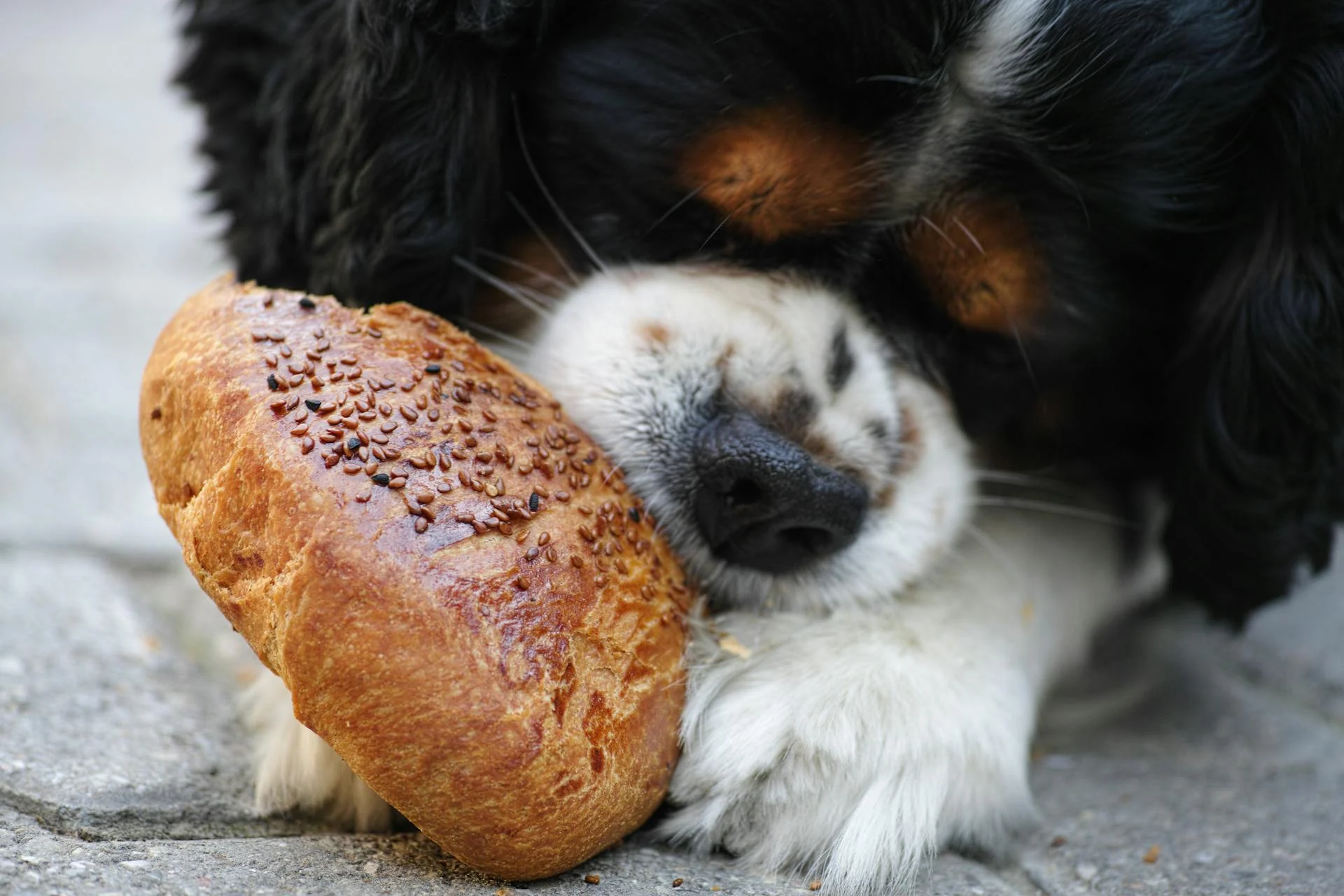
Gradually acclimate your dog to being alone by leaving them alone for short periods and gradually increasing the duration. This can help your dog feel more comfortable and secure when you're not around.
Some Cavalier King Charles Spaniels may exhibit leash reactivity, which involves barking, lunging, or pulling on the leash when they encounter other dogs or stimuli. Leash reactivity can be a challenging issue to address.
Work on desensitization and counter-conditioning exercises to address leash reactivity. Gradually expose your dog to the trigger at a distance where they remain calm and reward them for calm behavior.
Excessive barking can be a problem for some Cavalier King Charles Spaniels. Identifying the triggers is key to addressing excessive barking.
Redirect your dog's attention to an appropriate behavior when they start barking. Teach them the "quiet" command by saying the word "quiet" and rewarding them when they stop barking.
Intriguing read: Training Cocker Spaniels
Separation Anxiety
Separation anxiety is a common issue in some breeds, including the Cavalier. This can lead to nuisance barking, especially when left alone.
To avoid this, it's essential to train your dog so it can be left alone without acting up or feeling anxiety. If your dog is accustomed to being with you, it may cause stress when you have to go out.
Here are some quick tips to help your Cavalier:
- Your dog should not follow from room to room, or everywhere you go in the home.
- Always walk through doors first, as this establishes you as the leader and allows you to check that all is safe.
- Be consistent in your rules, as dogs become confused and stressed if rules are not consistent.
- Controlling your dog's access to your bed or furniture is crucial, so consider mixing things up occasionally.
Resources for Owners
If you're looking for reliable training resources for your Cavalier King Charles Spaniel, there are several options available. You can find valuable information and training tips in books specifically tailored to the breed, such as "The Complete Guide to Cavalier King Charles Spaniels" by David Anderson and "Cavalier King Charles Spaniels: Everything About Purchase, Care, Nutrition, Behavior, and Training" by Rebecca Campbell.
Online courses and resources can also be a great way to train your dog. Look for courses that focus on positive reinforcement training methods, which can help you teach basic commands and address common behavior issues.
Working with a professional dog trainer who has experience with Cavalier King Charles Spaniels can be incredibly helpful if you're struggling with training or facing specific challenges. They can provide personalized guidance and support to help you achieve your training goals.
Discover more: King Charles Cavalier Cocker Spaniels
Local dog training classes can also be a great way to socialize your Cavalier King Charles Spaniel and receive hands-on guidance from experienced trainers. Look for classes that use positive reinforcement techniques and have knowledgeable instructors.
Consider the following resources when training your Cavalier King Charles Spaniel:
- Books by David Anderson and Rebecca Campbell
- Online courses that focus on positive reinforcement training methods
- Professional dog trainers with experience with Cavalier King Charles Spaniels
- Local dog training classes that use positive reinforcement techniques
Remember to always research and choose reputable resources and professionals who use positive and ethical training methods.
Potty Training
Potty training a Cavalier King Charles Spaniel is a crucial part of their development. Start when they're a puppy, ideally between 1-2 months old.
Establish a routine for feeding, sleeping, and potty breaks, as this will help them learn when it's time to eat, sleep, or pee. A puppy can only hold their pee for about an hour before 2 months old, but by 2 months, they should be able to go 2-3 hours between bathroom breaks.
Take your puppy out every 2 hours, immediately after meals, and reward them with a treat when they do their business outside. A short walk after each potty break will also help them learn the connection between going outside and rewards.
Intriguing read: Cavalier King Charles Spaniel Potty Training
Begin Training: Leash, Potty, Grooming
At seven and eight weeks, you can start introducing leash training to your puppy. This is a crucial step in socialization and helps your puppy get used to wearing a collar.
The breeder starts by putting collars on puppies and supervising a session with one pup dragging a leash around, but doesn't leave the leash on all the time. This simulates leash walking and helps puppies get used to the feeling of wearing a collar.
To introduce housetraining, take your puppy outside to potty after a nap, after a meal, and during playtime. This helps your puppy learn to associate certain times and activities with the need to go outside.
One to two weeks later, you can start grooming your puppy, beginning with light brushing on a grooming table. Offering a treat during this process can help make it a positive experience for your puppy.
Clipping your puppy's nails is another important part of grooming, and should be done regularly to prevent overgrowth.
A unique perspective: Training Cavalier Puppies
Potty Train
Cavalier King Charles Spaniels can only hold their pee for about an hour before 2 months old.
Starting potty training early is crucial, so it's best to begin when they're a puppy.
Establishing a routine is key to potty training your King Charles.
Take them out every 2 hours and then immediately after they go, reward them with a treat.
You should take them for a short walk after rewarding them with a treat.
This will help them associate going outside with the reward.
A Cavalier King Charles Spaniel puppy usually needs to go out within 15 minutes after eating.
Add in regular morning and evening walks to help them learn your routine.
Before long, your Cavalier puppy will learn your routine and know what is expected of them.
Consistency is key to successful potty training.
Featured Images: pexels.com