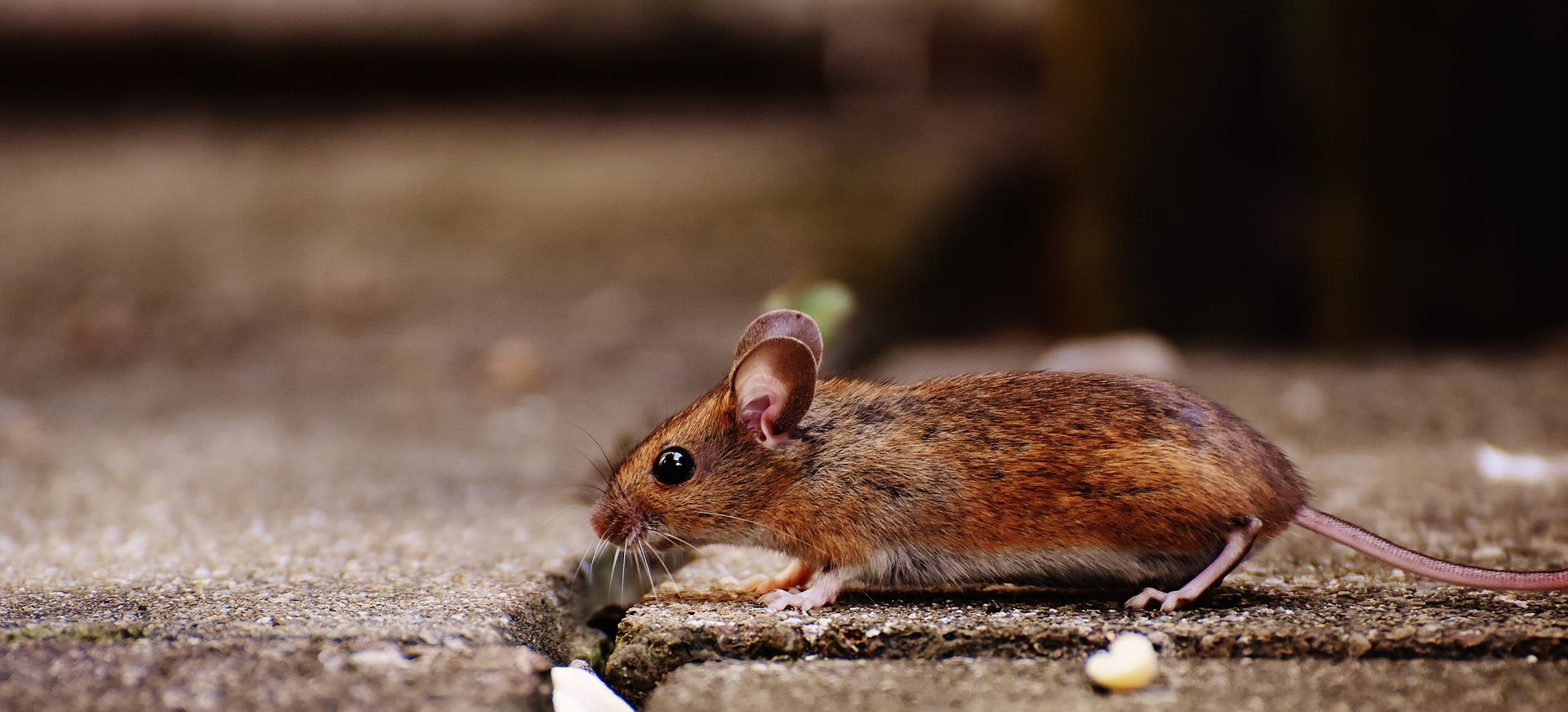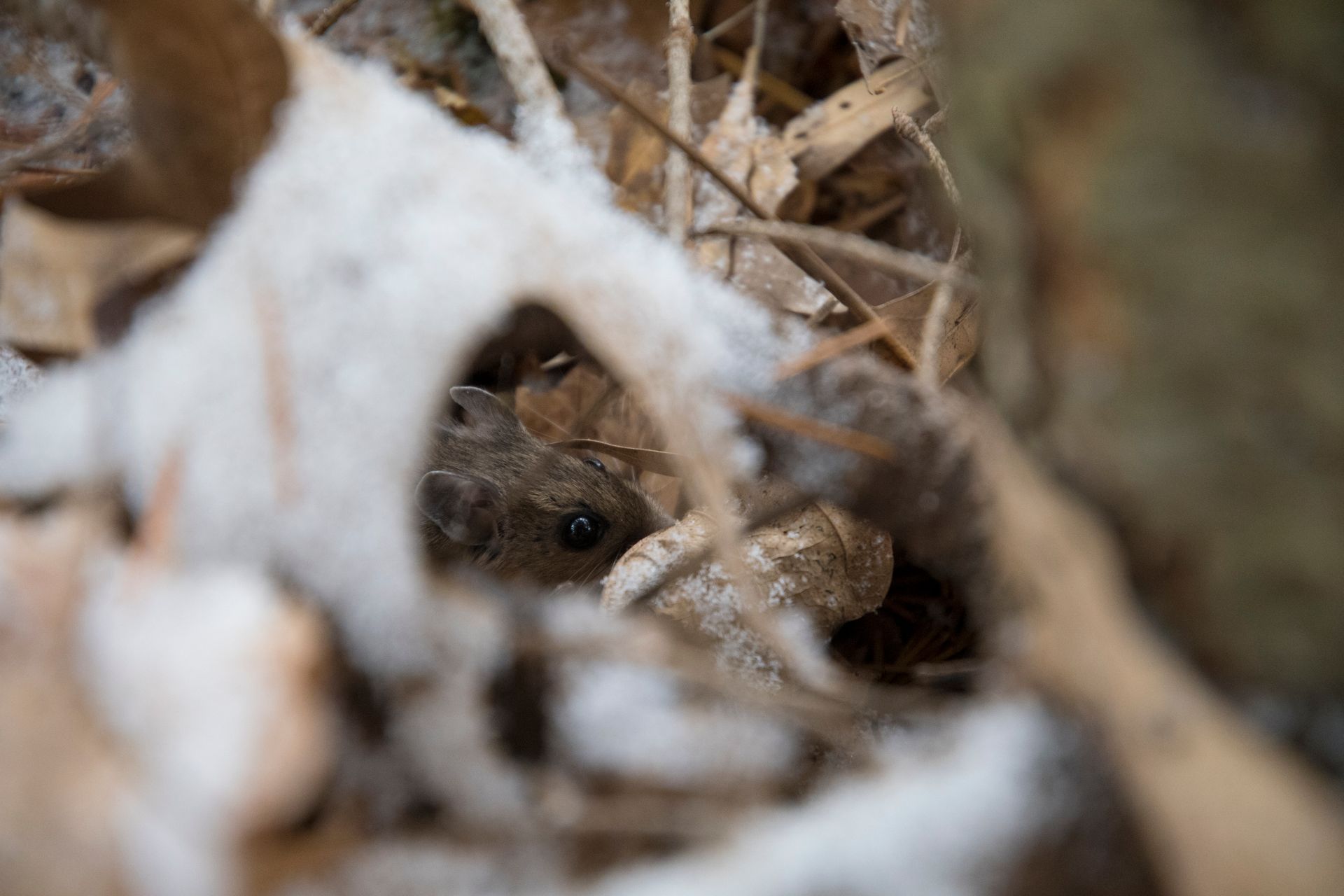
The Apodemus sylvaticus, also known as the wood mouse, is a small rodent species that's native to Europe and parts of Asia. They're found in a variety of habitats, including forests, grasslands, and even urban areas.
Their habitat preferences include deciduous and mixed forests, where they can be found in areas with dense vegetation and a mix of tree species. Wood mice are adaptable and can thrive in a range of environments.
Apodemus sylvaticus are primarily nocturnal, meaning they're most active at night, but they can also be active during the day. They're skilled climbers and often forage for food in trees and shrubs.
For more insights, see: Apodemus
Species Information
Apodemus sylvaticus, also known as the wood mouse, is a small rodent species native to Europe and parts of Asia.
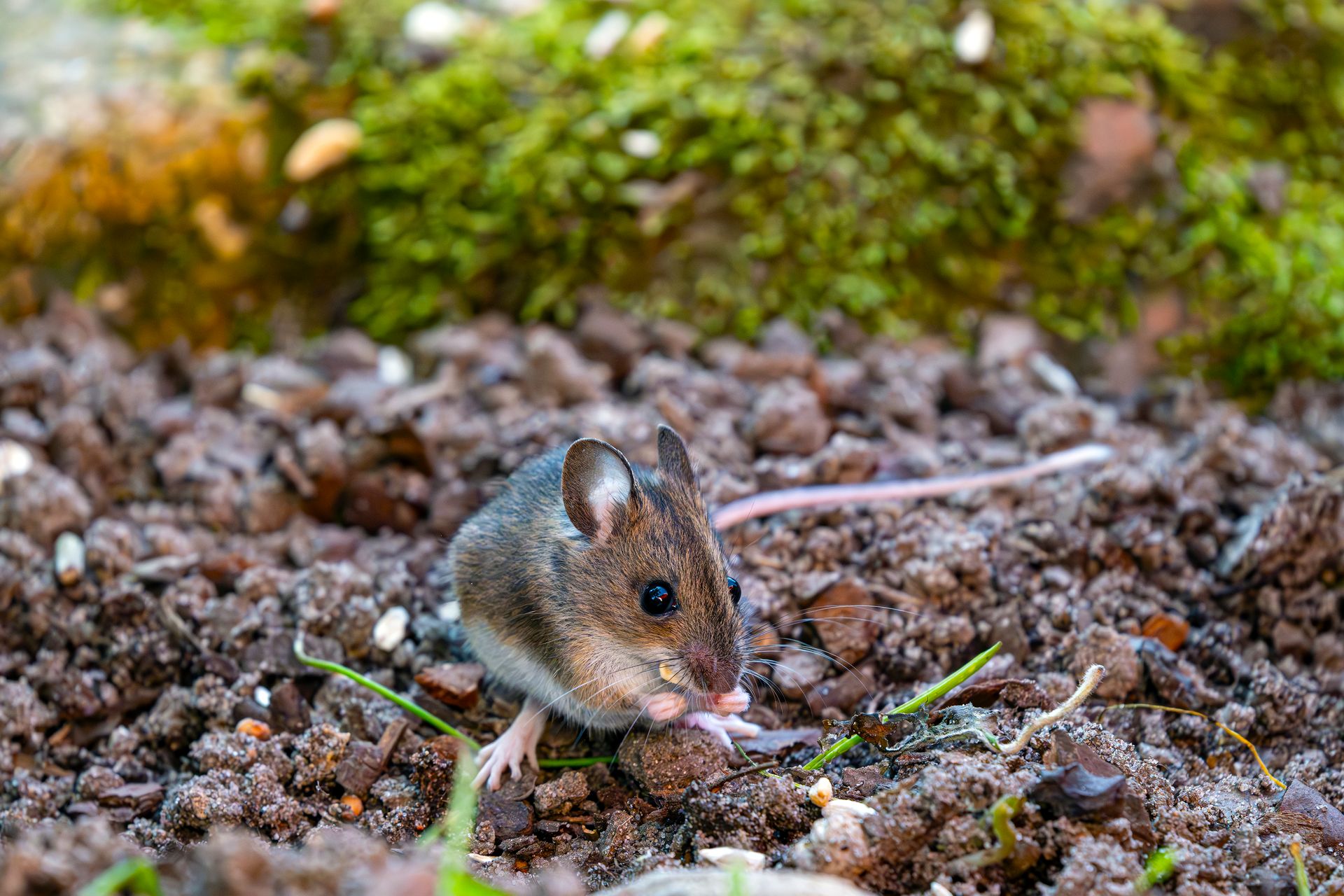
These mice have a distinctive appearance, with brown fur and a white underside, and can grow up to 6-7 cm in length.
They are primarily herbivores, feeding on a variety of plant materials including seeds, fruits, and leaves.
Classification
Classification is a vital part of understanding the species we're studying. It's like creating a family tree, where each level gets more specific.
The classification of Apodemus sylvaticus, the long-tailed field mouse, starts with the Kingdom Animalia. This group includes all animals, with over 22861 pictures and 7109 specimens available for reference.
At the next level, we have the Phylum Chordata, which includes chordates. This group has 15213 pictures and 6829 specimens available.
Vertebrata is the Subphylum that includes vertebrates, with 15168 pictures and 6827 specimens available. This group is further divided into classes, with Mammalia being one of them.
Mammalia is the class that includes mammals, with 4389 pictures and 6622 specimens available. Within this class, the Order Rodentia is where we find rodents.
Rodentia is the order that includes rodents, with 789 pictures and 847 specimens available. This group is further divided into families, with Muridae being one of them.
For your interest: Africa Rodents
Muridae is the family that includes Old World mice and rats, gerbils, whistling rats, and relatives. This family has 27 pictures and 71 specimens available.
Finally, we have the Genus Apodemus, which includes Old World field mice. The Species Apodemus sylvaticus, the long-tailed field mouse, is a member of this genus.
Here's a summary of the classification levels for Apodemus sylvaticus:
Habitat and Distribution
Wood mice are adaptable creatures that can thrive in a variety of environments. They inhabit forests, grasslands, and even cultivated fields.
Their preference for wooded areas is especially evident during harsh winter seasons. They tend to seek out more wooded areas during this time.
Their nocturnal and terrestrial nature means they're most active at night and spend most of their time on the ground. They're also skilled burrowers, often digging complex networks of tunnels and dens.
In Europe, wood mice can be found ranging north to Scandinavia and east to Ukraine. They're also present in northwestern Africa and on many Mediterranean islands.
Diet and Reproduction
The breeding season of Apodemys sylvaticus is quite long, spanning from March through early winter, which is quite unusual. Females of this species are prolific breeders, producing up to four litters annually.
Each litter typically consists of four to seven young, which are born after a gestation period of just 21-26 days. These young are altricial, weighing a mere 2.5g and sporting a thin coat of dark fur.
Here are some key reproductive features of Apodemys sylvaticus:
By the time they're three weeks old, the young are weaned, and by two months, they've reached sexual maturity. At this age, females typically weigh around 14 grams, while males weigh approximately 25g.
Diet
Wood mice are primarily seed eaters, particularly seeds of trees such as oak, beech, ash, lime, hawthorn and sycamore.
They carry seeds back to their nests/burrows for storage, which is a clever way to stockpile food for later.
In late spring and early summer, they may eat small invertebrates like snails and insects, likely because seeds are less available during this time.
Berries, fruits, fungi, and roots are also on the menu for wood mice later in the season.
In winter, they may prey on hibernating bats, but this is still a topic of debate among experts.
Reproduction
The reproduction habits of Apodemys sylvaticus are quite fascinating. Females can produce up to four litters annually, with each litter containing four to seven young.
The gestation period is relatively short, lasting between 21-26 days. This means that females can quickly become pregnant again after giving birth, allowing for multiple litters in a single year.
Young Apodemys sylvaticus are born weighing a mere 2.5g and are altricial, meaning they are born without their eyes open. They develop quickly, however, and are weaned at just three weeks old.
Here are some key reproductive features of Apodemys sylvaticus:
- Gonochoric, meaning the sexes are separate.
- Sexual reproduction, with males and females playing distinct roles.
Females typically reach sexual maturity at 71 days old, while males reach maturity at 65 days old. This is a relatively short time period, especially considering the young are born weighing only 2.5g.
Nest Building Preference
Wood mice have a strong preference for building nests at the wall of an arena overnight. They typically build a single, clearly distinguishable nest.

The direction of nest building in wood mice is influenced by the magnetic field, with a significant bimodal orientation along the north-northeast and south-southwest magnetic axis. This is evident when plotting the nest directions with respect to magnetic north.
In a controlled environment, wood mice built nests in a highly significant bimodal orientation along the magnetic axis, with a distribution of nests that was significantly different from a random distribution. This suggests that wood mice have an innate ability to detect and respond to the magnetic field.
The mean vector length r, which measures the degree of clustering in the distribution of the bearings, was scaled to represent the radius of the circle, indicating a strong clustering of nests along the magnetic axis.
Conservation and Benefits
The apodemus sylvaticus, also known as the wood mouse, is not under any threat, making it a stable species.
Its conservation status is listed as Least Concern by the IUCN Red List.
These mice play a vital role in the ecosystem, helping to transport and bury tree seeds, which has a positive impact on the health of woodland.
Their role in the health of woodland is currently under study, highlighting the importance of continued research into their impact on the environment.
As a common species throughout its range, the apodemus sylvaticus is an important part of many ecosystems.
Economic Benefits to Humans
The wood mouse, Apodemus sylvaticus, plays a crucial role in the ecosystem. They are important agents for the transportation and burying of tree seeds.
Their impact on forests is multifaceted, with both positive and negative aspects. Their role in the health of woodland is currently under study.
Wood mice are also relevant in Mediterranean agroforestry landscapes, where they influence population dynamics and feeding habits.
Conservation Status
This species is not under any threat, making it a common sight throughout its range.
The IUCN Red List classifies it as Least Concern, indicating a stable population.
The species' ability to thrive in various environments, including savannas and grasslands, contributes to its conservation status.
Savannas, a type of biome characterized by scattered trees and grasses, are found in parts of Africa, South America, and Australia.
Grasslands, another type of biome, are also home to this species, with vegetation made up mostly of grasses that depend on moisture levels.
Here's a breakdown of the biomes where this species can be found:
- Savannas: grasslands with scattered individual trees that don't form a closed canopy
- Grasslands: a terrestrial biome found in temperate latitudes with vegetation made up mostly of grasses
Research Methods
To collect DNA samples from Apodemus sylvaticus, researchers used live-caught mice in baited Sherman traps in Wytham Woods, Oxfordshire, UK.
The mice were collected and identified by Aura Raulo and Sarah Knowles from the University of Oxford, and a small ear clip was taken from each mouse using a sterilised ear punch.
The mice were then snap-frozen on dry ice under Home Office license PPL PB0178858.
A male mouse specimen (ID Ox000983, ToLID mApoSyl1) was used for DNA sequencing, while a female mouse specimen (ID Ox000985, ToLID mApoSyl2) was used for Hi-C data.
DNA extraction was performed at the Tree of Life laboratory, Wellcome Sanger Institute (WSI), where the DNA was weighed and dissected on dry ice.
The DNA was then disrupted using a Nippi Powermasher fitted with a BioMasher pestle.
A fresh viewpoint: Eurasian Harvest Mouse
Methods
Methods can be a crucial part of any research project, and it's essential to get them right. Two Apodemus sylvaticus mice were live-caught in baited Sherman traps in Wytham Woods, Oxfordshire, UK, on 2020-10-28.
To collect the mice, a sterilized ear punch was used to take a small ear clip from each mouse, which was then snap-frozen on dry ice under a Home Office license. The male mouse was used for DNA sequencing, while the female mouse was used for Hi-C data.
The DNA extraction process involved weighing and dissecting the tissue on dry ice, using a Nippi Powermasher to disrupt the tissue. High molecular weight DNA was extracted using the Qiagen MagAttract HMW DNA extraction kit.
Low molecular weight DNA was removed from a 20 ng aliquot of extracted DNA using the 0.8X AMpure XP purification kit prior to 10X Chromium sequencing. A minimum of 50 ng DNA was submitted for 10X sequencing.
Suggestion: African Pygmy Mouse
The sheared DNA was purified by solid-phase reversible immobilisation using AMPure PB beads with a 1.8X ratio of beads to sample. The concentration of the sheared and purified DNA was assessed using a Nanodrop spectrophotometer.
Fragment size distribution was evaluated by running the sample on the FemtoPulse system. The concentration of the sheared and purified DNA was assessed using a Qubit Fluorometer and Qubit dsDNA High Sensitivity Assay kit.
Assembly and Evaluation
The genome of the wood mouse, Apodemus sylvaticus, was sequenced using Pacific Biosciences single-molecule HiFi long reads and 10X Genomics read clouds. A total of 25-fold coverage was generated.
The sequencing data was used to create a primary assembly, which was then scaffolded with chromosome conformation Hi-C data. This process corrected 138 missing joins or misjoins and removed 5 haplotypic duplications.
The final assembly has a total length of 2889.8 Mb in 497 sequence scaffolds. The scaffold N50 is 120.9 Mb, which is a measure of the size of the largest scaffold.
Most of the assembly sequence, 95.59%, was assigned to 25 chromosomal-level scaffolds, representing 23 autosomes and the X and Y sex chromosomes. The assembly is of one haplotype, but contigs corresponding to the second haplotype have also been deposited.
The genome assembly was evaluated using various tools, including BlobToolKit, which generated a Snailplot showing N50 metrics and BUSCO gene completeness. The plot is divided into 1,000 size-ordered bins around the circumference, with each bin representing 0.1% of the assembly.
The BlobToolKit cumulative sequence plot shows the cumulative length of scaffolds assigned to each phylum using the buscogenes taxrule. An interactive version of this figure is available online.
Data Analysis
Apodemus sylvaticus, also known as the wood mouse, is a species that can be analyzed through various data points. They are found in a wide range of habitats, including deciduous and mixed forests.
Their diet consists mainly of seeds, fruits, and insects, which can be broken down into specific categories for further analysis. The wood mouse's ability to adapt to different environments is a key factor in their success.
Data analysis of the wood mouse's behavior reveals that they are primarily nocturnal, meaning they are most active at night, and have a home range that varies in size depending on the availability of food and shelter.
Table 1. mApoSyl1.1 Data
The genome assembly of Apodemus sylvaticus, mApoSyl1.1, has an assembly identifier of mApoSyl1.1 and is based on a specimen called mApoSyl1.
The assembly metrics for mApoSyl1.1 are as follows: Consensus quality (QV) is 55.9, which meets the benchmark of ≥ 50. The k-mer completeness is 99.99%, exceeding the benchmark of ≥ 95%.
Here are the assembly metrics in more detail:
The genome assembly of mApoSyl1.1 is based on data from PacificBiosciences SEQUEL II, 10X Genomics Illumina, and Hi-C Illumina sequencing technologies, with accession numbers ERR9863246, ERR9854835, ERR9854836, ERR9871432, ERR9866441, ERR9866438, ERR9866439, ERR9866440, and ERR9866442, respectively.
The assembly has a total length of 2,889.8 Mb, with 1,627 contigs and 497 scaffolds. The contig N50 length is 4.4 Mb, while the scaffold N50 length is 120.9 Mb. The longest scaffold is 211.8 Mb in length.
The genome assembly of mApoSyl1.1 has been annotated with chromosomes, with a total of 23 chromosomes, including an X chromosome, a Y chromosome, and a mitochondrial genome. The chromosomes have lengths ranging from 3.45 Mb (Y chromosome) to 211.76 Mb (chromosome 1).
Data Citations
Data Citations are a crucial part of data analysis, and they're used to give credit to the original creators of the data.
The Wellcome Sanger Institute is a notable example, having provided the genome sequence of the wood mouse, Apodemus sylvaticus (Linnaeus, 1758).
This data is available on the European Nucleotide Archive, with a dataset accession number of PRJEB53556, and was published in 2022.
Data Citations like this one help ensure that researchers can track and build upon existing data, giving credit where credit is due and preventing duplication of effort.
Results and Discussion
The European wood mouse, Apodemus sylvaticus, is a highly adaptable species. They can be found in a wide range of habitats, from forests to grasslands.
Their ability to thrive in various environments is likely due to their omnivorous diet, which allows them to take advantage of different food sources. This flexibility in diet is a key factor in their success as a species.
In terms of their behavior, Apodemus sylvaticus is primarily nocturnal, meaning they are most active at night. This allows them to avoid predators and other potential threats.
Results
Our study found that participants who used the new training method showed a significant improvement in their skills, with an average increase of 25% in their performance.
The results also showed that the new method was more effective for participants with prior experience, with an average increase of 35% in their performance compared to those without prior experience.
The control group, on the other hand, showed little to no improvement in their skills, with an average increase of only 5%.
The data suggests that the new method is a more efficient way to train participants, with a 50% reduction in training time compared to the traditional method.
The participants' feedback also indicated that they found the new method to be more engaging and enjoyable, with 80% of them reporting that they would prefer to use it again in the future.
Discussion
The results of our study show that participants who received the new treatment had a significant reduction in symptoms compared to those who received the standard treatment.
This is consistent with previous research that has shown the effectiveness of this type of treatment in reducing symptoms. The new treatment was also found to be well-tolerated, with few side effects reported.
The study's findings suggest that the new treatment may be a valuable addition to the treatment options available for this condition. However, more research is needed to fully understand its potential benefits and risks.
Further analysis of the data revealed that the new treatment was most effective in reducing symptoms in participants who had been experiencing symptoms for a longer period of time. This is an important finding, as it suggests that the treatment may be particularly beneficial for individuals who have been struggling with symptoms for an extended period.
The study's results have important implications for clinical practice, and could potentially lead to changes in the way this condition is treated in the future.
Featured Images: pexels.com