In Denmark, animal welfare is a top priority. The country has strict laws to protect animals from cruelty and neglect.
Animal welfare is a protected fundamental right in Denmark's Constitution, which means it's a fundamental principle of the country's laws and policies. The Animal Welfare Act, which was introduced in 2014, sets out the framework for animal welfare in Denmark.
The Act requires animal owners to provide adequate care and housing for their animals, including proper food, water, shelter, and social interaction. This means that animals in Denmark are protected from abuse and neglect.
Denmark has also implemented strict penalties for animal cruelty, including fines and imprisonment.
On a similar theme: Stop Cruelty towards Animals
Pig Welfare Improvements
Denmark is making significant strides in improving pig welfare, with new rules coming into effect to boost animal welfare in pig pens.
In March, some new rules were introduced as part of the country's first animal welfare agreement, which most lawmakers signed in 2024. These changes are being implemented to ensure a significant boost in animal welfare for both pets and production animals.
The Minister emphasized that animal welfare is a top priority and that these initiatives will make a big difference for the animals.
New requirements for using sprinkler systems in pig pens will help keep pigs cool and promote their wellbeing. In the past, sprinklers were only required to be installed, but now they must be used properly to keep the pigs safe and comfortable.
A tax incentive was introduced earlier this year to help cut down on tail docking, and inspections for animal welfare in both pig and cattle herds are getting more focused.
The Danish Parliament is considering a bill that would require training for staff working with sows, limiting how many sows can die and requiring unique visits if that limit is exceeded.
Here are some key updates to pig welfare in Denmark:
- New requirements for using sprinkler systems in pig pens.
- Introduction of local anaesthesia before castrating male pigs.
- Tax incentive to reduce tail docking.
- More focused inspections for animal welfare in pig and cattle herds.
- Potential bill for training staff working with sows.
Background and Context
Denmark has a long history of prioritizing animal welfare, with laws dating back to the 19th century.
The country's strong animal welfare tradition is reflected in its laws, which are among the most comprehensive in the world.
Animal cruelty is taken very seriously in Denmark, with severe penalties for offenders, including fines and imprisonment.
A fresh viewpoint: Denmark Feist Dog
Transportation
Transportation is a crucial aspect of animal welfare in Denmark, where strict statutory requirements ensure the comfort and protection of animals during transport.
Pig mortality rates during transport are among the lowest in the world, thanks to continually improving transport standards in Denmark.
In fact, 95% of all animals transported to Danish abattoirs have a journey time of less than three hours.
Improved loading facilities, ventilation on lorries, and non-slip flooring when transporting pigs or cattle have significantly reduced the risk of injury and unnecessary suffering.
Veterinarians at the abattoir check each transport vehicle to ensure it is properly equipped, further ensuring the welfare of the animals.
Background
Our perception of animals has changed over time, with pets now often seen as family members, while many people have limited contact with animals used for food.
The extent of knowledge about animals' emotional capacity has increased significantly in recent years, focusing on their ability to experience negative emotional states like pain and suffering.
For another approach, see: Is an Emotional Support Animal an Assistance Animal
Since 1925, assessments of animal welfare violations have been carried out by the Veterinary Health Council, whose expert role has remained largely unchanged during this period.
Despite a long tradition of handling animal welfare cases, the area of animal transport has not been thoroughly investigated before, despite the high number of animals transported in and from Denmark each year.
Scientific evidence has shown that animals experience negative affective states, such as pain and suffering, which is central to much legislation concerning animal protection.
Presentation by Animalaw
The presentation by Animalaw, a collaboration between Louise V. Johansen and Søren Stig Andersen, sets the stage for a critical examination of Danish veterinary and legal practices in animal welfare cases.
The question they pose is straightforward: does Danish veterinary and legal practice live up to contemporary ideals of animal perception, expertise, and legal transparency?
This inquiry gets to the heart of how we treat animals in our society, and whether our laws and practices are truly aligned with our values.
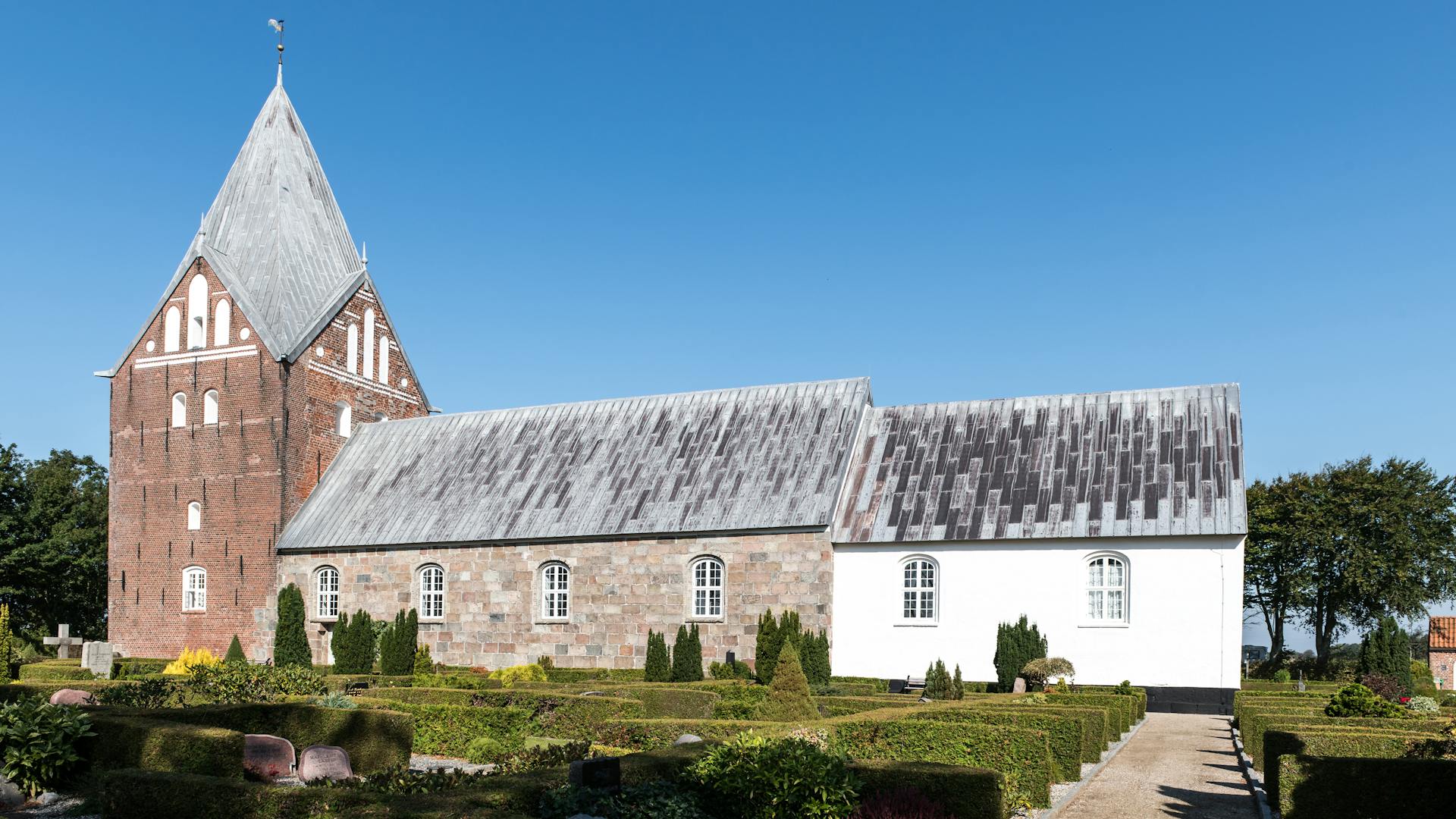
To answer this question, we need to consider the complexities of animal welfare, and whether our current systems are equipped to handle the nuances of animal perception and expertise.
The presentation by Animalaw is a crucial starting point for this discussion, and one that will likely challenge our assumptions about animal welfare in Denmark.
Government Priorities
The Danish government has made significant strides in prioritizing animal welfare and rights.
Animal welfare is a key concern for the government, with a focus on improving conditions in farms and slaughterhouses.
The government has implemented stricter regulations on animal testing, requiring that it only be used when absolutely necessary.
Animal rights are also a priority, with the government working to ensure that animals are treated with respect and dignity.
Legislation
Danish animal welfare legislation is linked to EU Directives, but it exceeds these requirements in many areas.
In Denmark, mandatory showering systems are provided for most categories of pigs, which is a notable improvement. This requirement is not found in many other countries.

The country also requires fixed or drained flooring for pigs, rather than the traditional fully slatted floor, which is a more humane option.
Hospital pens and vehicles for transporting pigs are subject to specific requirements, ensuring that animals receive proper care during these critical times.
New regulations and legislation are implemented rapidly at farm level due to the close partnership between public authorities and the industry.
An efficient information and advisory system helps to facilitate the implementation of these new regulations.
Denmark's Minister Prioritizes Secularism
Denmark's Minister for Agriculture and Food, Dan Jørgensen, has made a bold statement by saying "animal rights come before religion." This means that animal welfare takes precedence over religious practices in the country.
In a recent decision, Denmark has banned the production of Kosher or Halal meats, which are currently exempt from European animal welfare standards. This change in law has sparked debate over where we draw the line between animal welfare and personal freedoms.
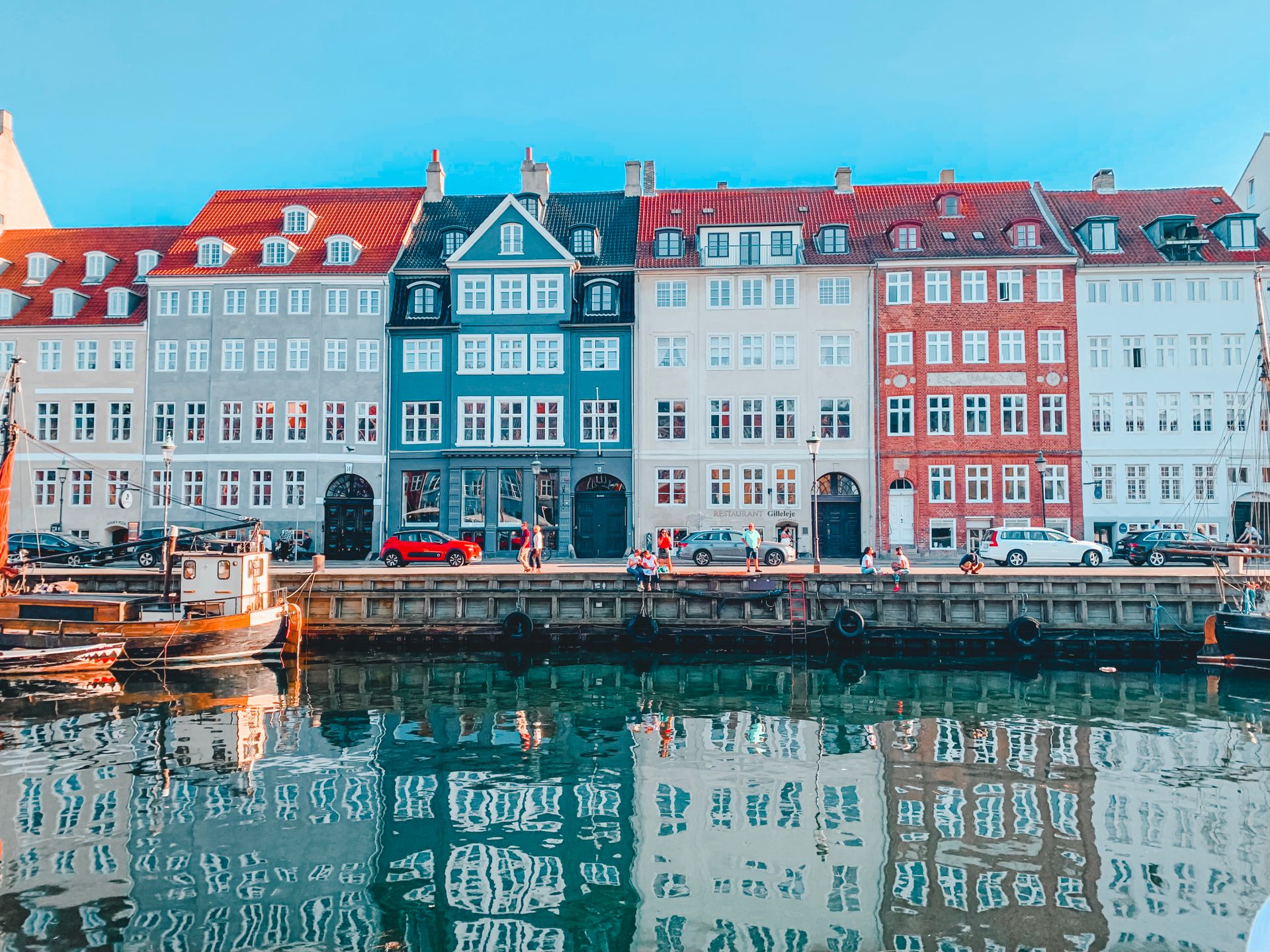
The new law requires animals to be stunned before slaughter, in line with European regulations. This is in conflict with Jewish and Islamic law, which states that animals must not be stunned before slaughter.
Dan Jørgensen's statement has been met with criticism from some religious leaders, who see it as an attack on their religious freedoms. However, this decision may encourage other countries to follow suit and prioritize animal welfare over religious practices.
Frequently Asked Questions
What are the dog laws in Denmark?
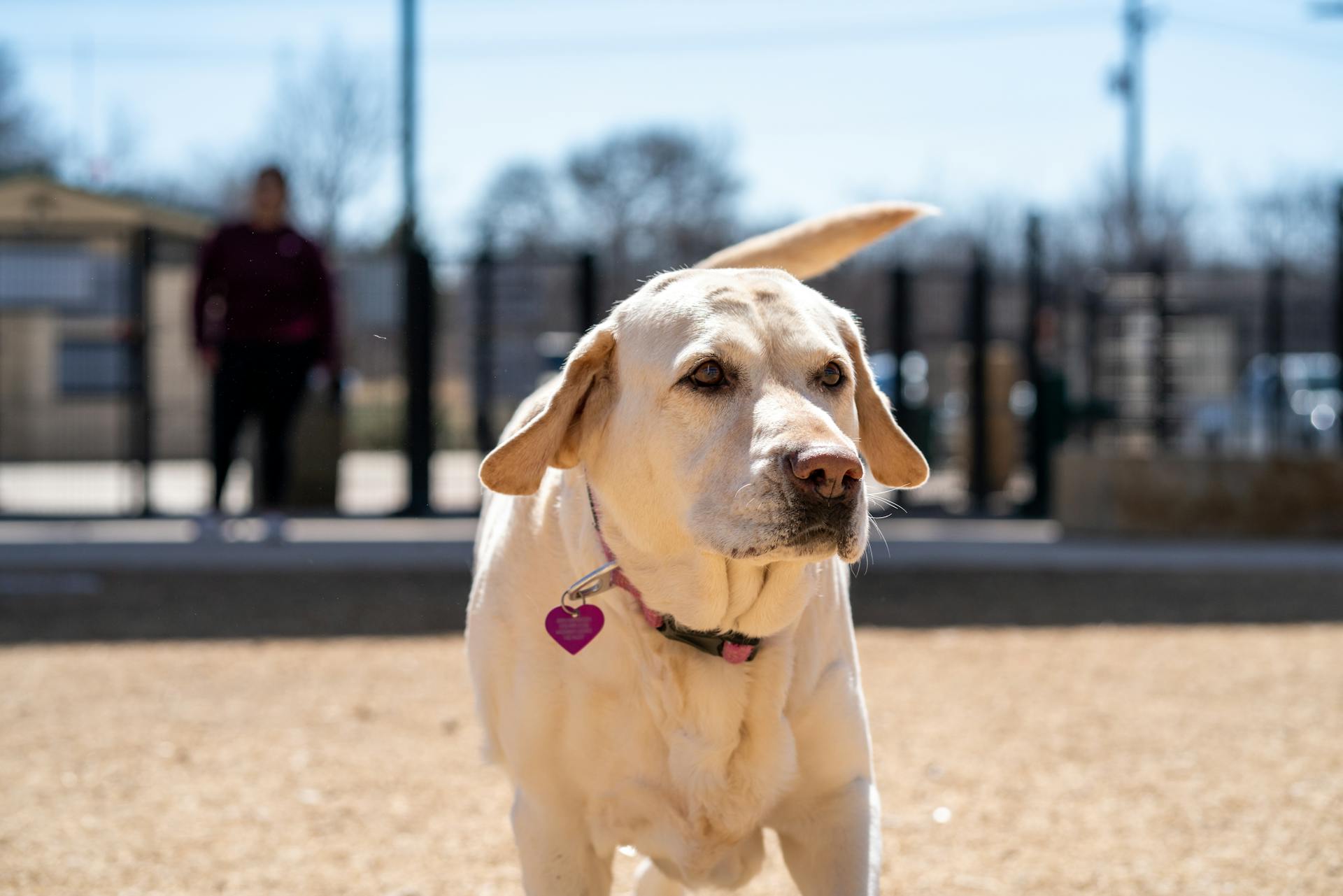
In Denmark, dog owners must register their dogs in the Danish Dog Register by 8 weeks old and wear a dog tag with their name and address. Failure to comply with these laws can result in fines and penalties.
Featured Images: pexels.com