Florida's animal neglect laws are designed to protect animals from harm and neglect.
Animal neglect is a felony offense in Florida, punishable by up to five years in prison and a $5,000 fine.
The Florida Department of Law Enforcement (FDLE) is responsible for investigating animal cruelty and neglect cases.
Animal neglect can occur in various settings, including private homes, farms, and animal shelters.
Worth a look: Animal Neglect Laws California
Animal Abuse Laws
In Florida, animal abuse laws have been strengthened with the signing of two bills by Governor Ron DeSantis.
Those who abandon animals will face bigger consequences, including up to five years in prison, for leaving a restrained dog outside during a natural disaster.
Trooper's Law makes abandoning a restrained dog during a natural disaster a third-degree felony.
Dexter's Law increases the criminal penalties for aggravated animal cruelty, which includes the intentional torture or torment of an animal that injured, mutilated, or killed the animal.
The public will have access to a database of those who have committed animal cruelty offenses, which must be ready by the beginning of 2026.
DeSantis Signs Animal Abuse Penalty Bills
In Florida, animal abuse is taken seriously, and Governor Ron DeSantis has signed two bills to make penalties stricter.
Trooper's Law, effective October 1, makes abandoning a restrained dog outside during a natural disaster a third-degree felony, punishable by up to five years in prison.
This law was inspired by a bull terrier named Trooper, who was rescued by law enforcement after his owner tied him to a fence on I-75 before Hurricane Milton struck.
Dexter's Law, effective July 1, increases the criminal penalties for aggravated animal cruelty, which includes the knowing and intentional torture or torment of an animal.
This law is named after a dog that was adopted from an animal shelter but was found beheaded shortly after in a Pinellas County park.
A public online database of those who have committed animal cruelty offenses will be created under Dexter's Law, and must be ready to go by the beginning of 2026.
This database will help shelters and the public know who has been convicted of animal cruelty in their community.
Examples of Animal Abuse
Beating an animal is a clear example of animal abuse and can be considered felony animal cruelty under the statute.
Intentional acts of animal abuse can include many different actions, but ultimately, it's the intent to cause harm that matters.
Failing to act when an animal is in need can also be considered animal abuse, particularly if it results in unnecessary pain or suffering.
Allowing an animal to starve or suffer from malnutrition by failing to provide necessary food is a form of animal abuse that can lead to felony charges.
A dog hit by a car and left untreated is another example of "failure to act" that can be considered felony animal cruelty in Florida.
The consequences of animal abuse can be severe, and it's essential to understand what constitutes animal abuse to prevent such situations from arising.
The Problem
Animal neglect is a serious issue in Florida, and it's not just about the animals. Animal cruelty and neglect are serious crimes, and they can be an indication that other crimes are about to occur.
Violence towards animals often escalates to violence towards people, making it a concern for public safety. Animal cruelty is often observed and reported before child abuse or domestic violence, highlighting the interconnectedness of these issues.
By reporting suspected animal abuse or neglect, you may be helping other animals and people to stay safe. Your complaint can be anonymous, but it's essential to provide as much information as possible to help investigators.
Responsibility and Enforcement
In Florida, responsibility for an animal's well-being extends beyond just the owner. Anyone living in a home where an animal is allowed to suffer, or a temporary caregiver, can be charged with neglect.
The state takes animal neglect seriously, with Gov. Ron DeSantis signing bills to create stricter penalties for animal abuse. Those who abuse and abandon animals will face bigger consequences, including up to five years in prison for abandoning a restrained dog during a natural disaster.
If you own or have custody or control of an animal, you are responsible for its well-being. This includes ensuring public safety as it relates to animals.
Enforcement

In Florida, those who abuse and abandon animals will face bigger consequences, including up to five years in prison.
If you abandon a restrained dog outside during a natural disaster, it's now a third-degree felony.
Animal cruelty offenses in Florida will be listed on a public online database, making it easier for shelters and the public to know who has been convicted.
In Osceola County, reports of animal abuse and neglect are investigated by Animal Control Officer staff, shelter administration, and local law enforcement.
Those found guilty of animal abuse and neglect in Osceola County court will be placed on the county's Animal Abuse registry.
This registry is available on the county's website and the County Clerk's web page, providing a resource for adoption agencies and citizens.
Responsibility
You're responsible for your pet's well-being, not just the owner. If you own or have custody or control of an animal, you're accountable for its care.
In Florida, Gov. Ron DeSantis signed bills to create stricter penalties for animal abuse, making it clear that animal welfare is a priority. Those who abuse and abandon animals will face bigger consequences.
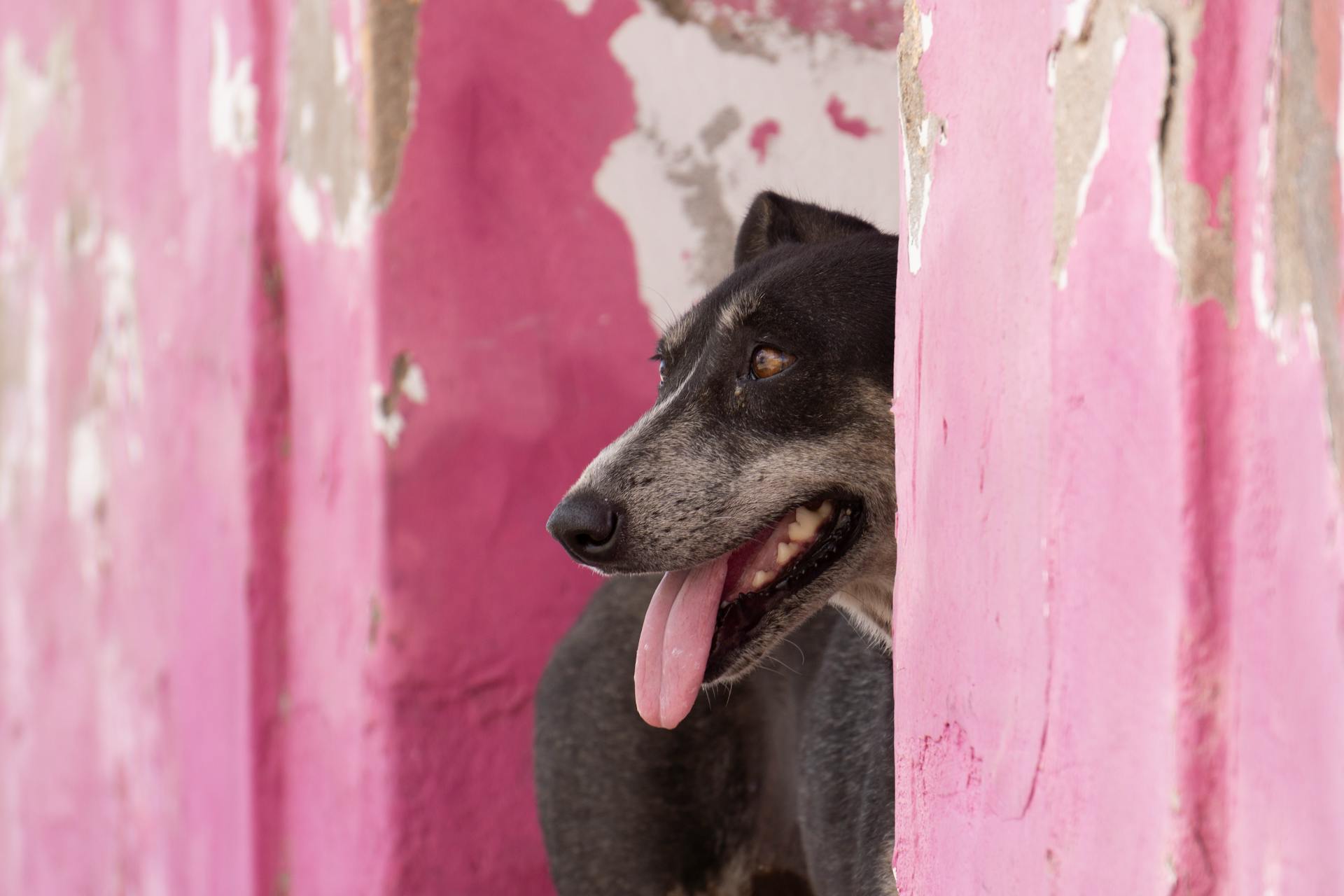
You can be charged for animal abuse, even if you're not the owner, if you're an adult living in a home where an animal is allowed to suffer. Temporary caregivers can also be held responsible if the owner is out of town or unable to care for their pet.
If you abandon a restrained dog outside during a natural disaster, you could face up to five years in prison, a third-degree felony. This is according to Trooper's Law, which takes effect on October 1.
Aggravated animal cruelty, including torture or torment of an animal, can lead to felony charges. The definition of animal abuse varies by state, but in Florida, it's defined under Florida State Statute, 828.12, Cruelty to Animals.
Frequently Asked Questions
What is animal abandonment in Florida?
In Florida, animal abandonment is considered a misdemeanor, defined as intentionally leaving an animal to suffer or abandon it in a public place without providing necessary care and shelter. This includes neglecting to feed, protect, or provide a safe environment for an animal.
Who investigates animal cruelty in Florida?
In Florida, the Office of the State Attorney's internal animal cruelty unit investigates animal cruelty cases, composed of experienced Assistant State Attorneys dedicated to bringing justice to animal victims. This specialized unit works in conjunction with a taskforce to tackle animal cruelty cases effectively.
What is the 828.12 law in Florida?
In Florida, the 828.12 law requires individuals convicted of felony animal cruelty to undergo psychological counseling or anger management treatment. This law aims to address the root causes of animal abuse and promote rehabilitation.
Featured Images: pexels.com