Animal culling is a highly debated topic, with many people having strong opinions on the matter. The practice of killing animals to manage populations or control disease is a complex issue.
Some argue that culling is necessary to prevent the spread of disease, as seen in the example of feral animals in Australia, where culling was used to control the spread of diseases such as brucellosis and tuberculosis. The culling of feral animals in Australia has been ongoing since the 1960s.
Others argue that culling is inhumane and can cause unnecessary suffering, as shown in the example of the culling of seals in Canada, where the practice was criticized for being inhumane and causing unnecessary pain. The culling of seals in Canada was eventually banned in 1983.
The debate surrounding animal culling highlights the need for a more nuanced approach to managing animal populations and controlling disease.
You might like: Animal Control Officer
What Does It Mean?
Culling is a process of separating organisms from a group based on desired or undesired characteristics. This can be done to control population or prevent disease.
Biologically, culling is used to describe the removal of individuals that don't fit the desired traits of a species. It's a way to maintain a healthy balance within a population.
Culling can be indiscriminate, resulting in the killing of individuals within a species. This can be due to various reasons, such as disease prevention or population control.
Types of Animals Affected
Animals affected by culling include livestock and production animals, such as dairy cattle and egg-laying chickens. In the case of dairy cattle, culling may involve inseminating inferior cows with beef breed semen and selling the offspring for meat production.
Male chicks from egg-laying chickens are often killed shortly after hatching, as they have little use in an industrial egg-producing facility. In contrast, some bird species are culled due to their impact on human property or conservation concerns, such as cormorants that disrupt commercial and recreational fisheries.
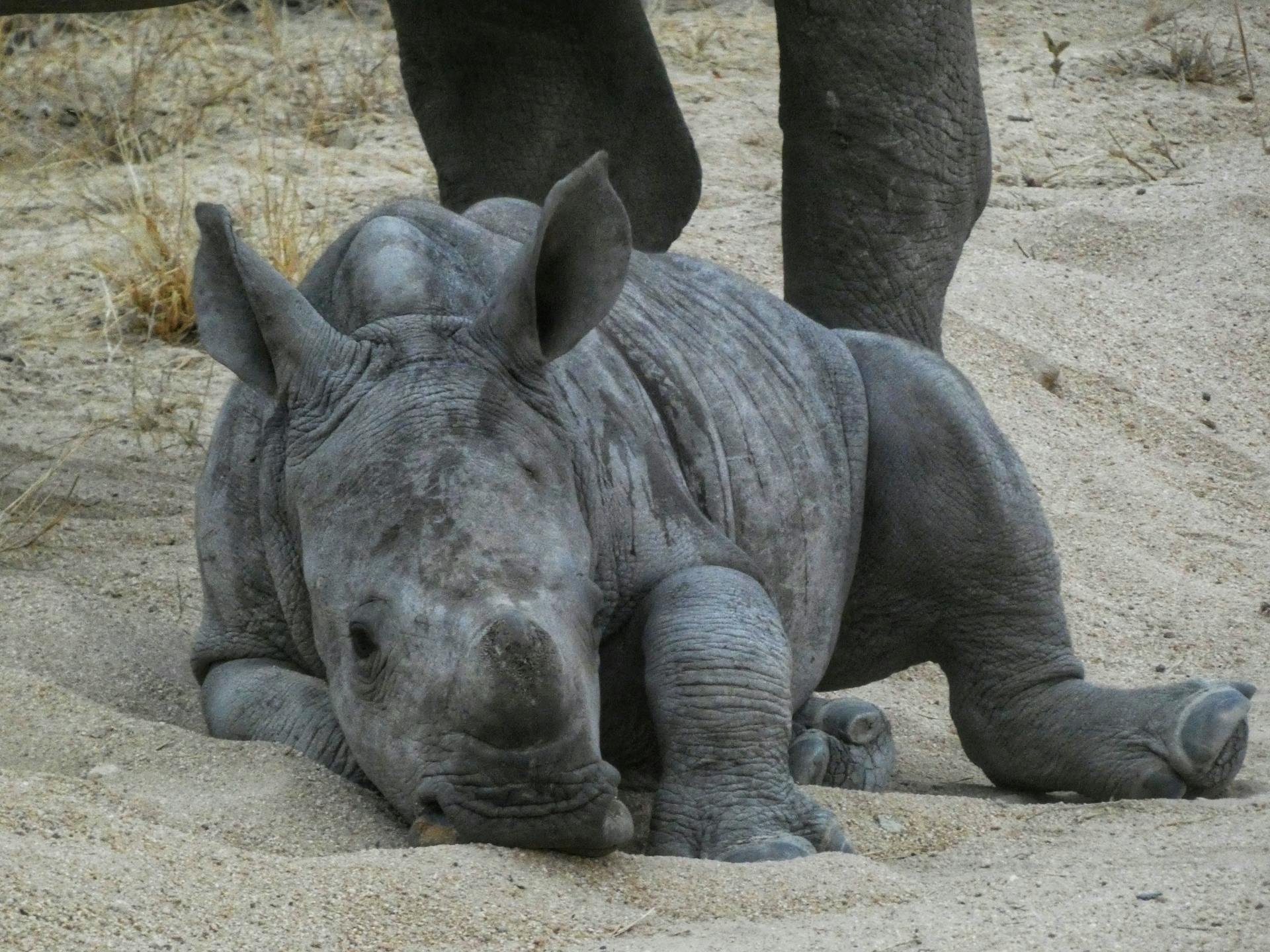
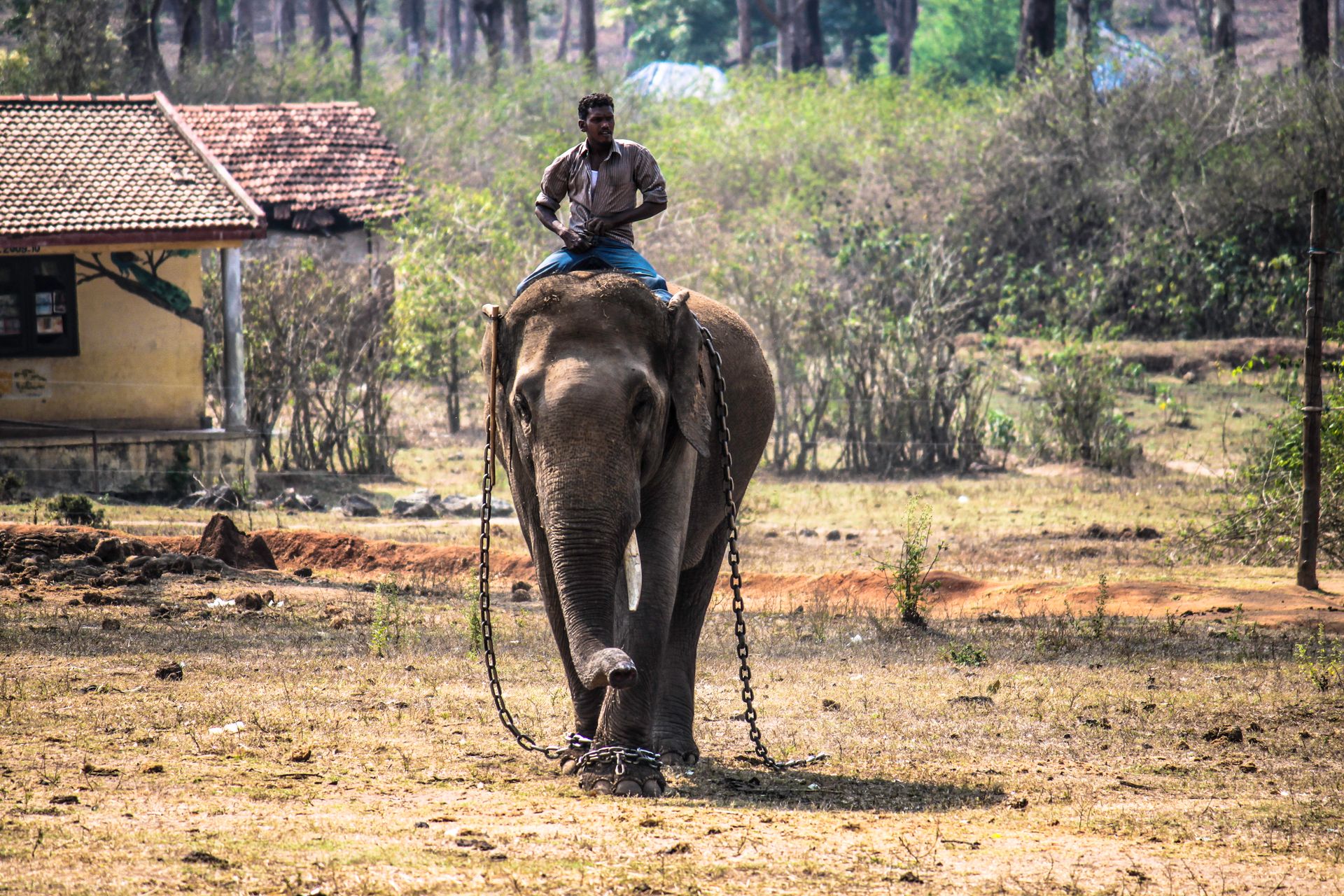
Wildlife, including game animals like elk and elephants, may be culled to control populations and prevent overgrazing or habitat modification. In some cases, orphaned young from culled animals are relocated to other reserves to maintain genetic diversity.
Livestock
Livestock is a broad term that encompasses many types of animals raised for food, milk, or other products. Farmers often cull livestock that don't meet their breeding or production standards.
In dairy cattle, for instance, culling may involve inseminating inferior cows with beef breed semen, resulting in offspring sold for meat production. This practice is common in many agricultural settings.
Male chicks from egg-laying chickens are typically killed shortly after hatching, as they don't lay eggs and have little use in an industrial egg-producing facility. This is a stark reality in the poultry industry.
Culling of farmed animals is also necessary to prevent the spread of diseases like foot-and-mouth disease, avian flu, and bovine spongiform encephalopathy ("mad cow disease"). These diseases can have devastating consequences for animal health and the agricultural industry as a whole.
The culling process can be done to control population or improve breeding stock. For example, farmers might select the most productive animals for breeding to increase the frequency of preferred phenotypes.
A different take: Livestock Guardian Animals
Wildlife
Wildlife populations are managed through hunting licenses and seasons in the United States. Each season, hunters are allowed to kill a certain number of wild animals, determined by species and sex.
If a wildlife population has surplus females, hunters are allowed to take more females during that hunting season. In some cases, hunters may not be permitted to hunt a particular species, or only hunt a restricted number of males.
In areas where wildlife is competing with domestic cattle herds for food, ranchers may allow hunters to cull the wild herd to controllable levels. This is done to prevent excessive depletion of winter feed supplies.
Culling is also used in wildlife management on African game farms and Australian national parks. In the case of large animals like elephants, adults are often targeted, and their orphaned young are relocated to other reserves.
Cormorants are culled in many countries due to their impact on commercial and recreational fisheries. They are culled by shooting and the smothering of eggs with oil.
Intriguing read: Watch Ghost Hunt Anime
Sharks
Sharks are one of the most affected groups by culling programs. In New South Wales, between 1950 and 2008, 352 tiger sharks and 577 great white sharks were killed in nets.
A staggering 15,135 marine animals were caught and killed in the nets during this period, including whales, turtles, rays, dolphins, and dugongs. This highlights the indiscriminate nature of shark culling.
In Queensland, a total of 10,480 sharks were killed on lethal drum lines from 2001 to 2018. This is a concerning number, especially considering the harm it causes to the marine ecosystem.
The Western Australian shark cull, which aimed to catch and kill great white sharks, ended up catching 172 other elasmobranchii, mostly tiger sharks, instead. This failure to target the intended species is a clear indication of the flawed policy.
Authorities on Réunion kill about 100 sharks per year, which is a significant number considering the impact on the marine ecosystem.
Breeds at Risk
In the UK, the government considers sparing rare breeds during a cull to preserve their genetic resource.
The Farm Animal Genetic Resources Committee (FAnGR) publishes a list of UK breeds at risk, which includes animals that are rare in the UK.
This list is separate from the Native Breeds at Risk list, which covers animals eligible for grants for grazing under the Rural Development Programme for England (RDPE).
For more insights, see: List of Fictional Dogs in Animation
Arguments For and Against
Some people argue that culling is necessary to protect biodiversity, but others point out that humanity is the main threat to biodiversity, so it's hypocritical to cull other species.
Animal rights advocates argue that killing animals for any reason is cruel and unethical, and that animals have a right to live.
Jaak Panksepp, a neuroscientist, believes that animals have the capacity to experience pleasure and happiness from their lives, which makes culling even more problematic.
In some industries, like dairy and poultry, culling is used to control populations and improve efficiency, but this raises questions about the treatment and value of animal life.
Old or diseased animals are often culled because it's seen as more economical, but this raises concerns about the ethics of prioritizing profit over animal welfare.
Arguments Against Wildlife
Wildlife culling is a complex issue with several arguments against it. Culling can impact the population genetics of a species, enforcing directional selection and removing specific traits from the population.
Animal rights activists argue that killing animals for any reason is cruel and unethical. This perspective is rooted in the idea that animals have the capacity to experience pleasure and happiness from their lives.
Hunting, a means of population control in the United States, can also have unintended consequences. Trophy hunting, for example, enforces selection towards unfavorable phenotypic traits, such as large antler size.
Culling can be seen as a form of speciesism, where one species is given the right to decide the fate of another. This is particularly evident in the case of culling for population control on African game farms and Australian national parks.
The protection of biodiversity argument for culling has been questioned by some animal rights advocates. They point out that humanity is the species that most greatly threatens and damages biodiversity.
Related reading: Animal Rights Singer
Arguments
Culling can have long-term effects on the genetic diversity of a population by enforcing directional selection and removing specific traits from the population.
Animal rights activists argue that killing animals for any reason, including hunting, is cruel and unethical.
Culling can act as a selection force intentionally implemented by humans to counteract the selection force of trophy hunting, which typically enforces selection towards unfavorable phenotypic traits.
Jaak Panksepp, an American neuroscientist, concludes that animals have the capacity to experience pleasure and happiness from their lives, similar to humans.
Humans are the dominant species on the planet and often label other species as pests to justify culling them for population control or selective breeding.
Poultry and dairy industries require culling of animals that are not productive or are diseased, such as old animals, male calves, and calves born with congenital deformities.
Culling based on specific traits, such as size, can impact the population genetics of a species and have long-term effects on genetic diversity.
Alternatives and Benefits
Non-lethal alternatives to animal culling do exist, and they may be considered a more humane option for reducing population numbers and selecting for desired traits. These methods include the use of wildlife contraceptives and reproductive inhibitors.
Wildlife contraceptives like Gonacon, an adjuvant vaccine, can deliver a high dosage of a competitor ligand of the hormone GnRH to female mammals, promoting the production of antibodies against the animal's own GnRH. However, the need for multiple lifetime doses for full efficacy makes it a less-guaranteed and less-permanent solution.
Reproductive inhibitors like Nicarbazin can be formulated into bait for consumption by certain animals, damaging egg yolk formation to reduce the viability of clutches without harming the adult animals. This approach can be more targeted and effective than lethal culling methods.
Humane alternatives to culling are available, such as rehoming and Trap-Neuter-Return (TNR) programs, which are part of a comprehensive population management system that includes preventative services to stem sources of future free-roaming animals.
Take a look at this: The Center at Animal Humane Boarding
The History of Mass
The History of Mass Culling of Wildlife dates back centuries, with written documentation of the practice found as far back as 1664 by Dafoe.
Culling was first suggested as a public health intervention by Royal Surgeon Thomas Bates in 1714, who recommended isolation, culling, and burning the carcasses of cattle infected with rinderpest.
Around 300,000 dogs were culled in Flores, Indonesia, over a four-year period in response to a rabies outbreak in 1997.
In 2019, millions of pigs were culled in China and Vietnam to curb the spread of African Swine Fever.
The culling of millions of poultry animals was also necessary in response to global outbreaks of H1N1 and H5N1 viruses within a two-year span.
Humane Alternatives
Humane alternatives to culling exist and are effective. For example, wildlife contraceptives like Gonacon, an adjuvant vaccine, have been developed to reduce population numbers in a humane fashion. However, these methods are still in the experimental phase and require multiple lifetime doses for full efficacy.
Reproductive inhibitors, on the other hand, can damage reproductive processes and/or developing offspring to reduce the number of viable offspring per mating pair. One such compound called Nicarbazin has been formulated into bait for consumption by Canada Geese, and damages egg yolk formation to reduce the viability of clutches without harming the adult geese.
In addition to these methods, rehoming and T/CNVR (Trap-Neuter-Vaccinate-Return) are proven humane and effective alternatives for free-roaming dog and cat population management. These comprehensive population management systems also include preventative services to stem sources of future free-roaming dogs and cats.
Comprehensive guidance on dog and cat population management is available from ICAM's website.
Genetic Pool Enhancement for Animals
Culling is a method used to strengthen the genetic pool of animals by eliminating those with undesirable qualities or genes. This helps to ensure that the survivors are healthy with strong genes.
In some ecosystems, culling is necessary to maintain a sustainable population. Without it, overpopulation can lead to conflicts among animals and with humans.
By removing animals with weak genes, culling allows the remaining population to thrive. This can be especially important in areas where resources are limited, like in South Africa's Kruger National Park, where a drought led to culling of hippos in 2016.
Specific Cases and Examples
In South America, many governments called for culling of vampire bats since they were associated with fatal rabies virus. However, people were not able to distinguish between the different types of bats, leading to the killing of many insectivorous bats that help reduce crop pests.
The Randomized Badger Culling Trial (RBCT) in the UK is a notable example of wildlife culling gone wrong. Between 1998 and 2005, the trial spanned 3000 km in England and found that culling could increase disease incidence in cattle populations, increase disease prevalence in badgers in the target area, and also in surrounding areas.
Culling can have unintended consequences, as seen in the case of the Sika deer in Japan. A study found that the population increased after several months of culling, as the area was repopulated with deers from surrounding areas.
If this caught your attention, see: Familial Renal Disease in Animals
Deer
Deer culls have been implemented in suburbs across the United States to address population increases.
Culls are often partnered with exclusions using fencing and administering contraceptives.
The effectiveness of deer culls is debated, with some arguing it's only a temporary fix to the larger problem of deer overpopulation.
Culling can increase fertility in remaining deer by reducing competition, but it can also be used to combat selection pressure imposed by hunting.
In places where white-tailed deer are an invasive species, culling has added benefits for native species.
Diseases like chronic wasting disease and Lyme disease spread less quickly with decreases in deer population density through culling.
A study on Sika deer found that population increases after culling were due to repopulation from surrounding areas.
The Randomized Badger Culling Trial in the UK showed that culling can increase disease incidence in cattle populations and badgers in the target area.
Culling can lead to a decline in the number of infected individuals, but disease levels often increase when population reduction ceases.
Zoos
Zoos have breeding programs to maintain a genetically viable population and prevent inbreeding.
Many zoos consider animals that can no longer contribute to the breeding program to be less desirable and may replace them with more desirable individuals.
In some cases, zoos may kill animals that are surplus to their requirements if they can't find a place for them in another zoo. This happened in 2014 with a young, healthy giraffe named Marius.
Female animals are sometimes considered more desirable than males in zoos because they give birth to fewer young and are pregnant for a longer period of time.
This allows zoos to keep many females with just one or two males, but not the reverse.
Germany has laws that require zoo animals to be culled only after verification by official veterinary institutes.
In contrast, the UK allows animal euthanasia when overcrowding compromises the well-being of the animals.
Badger Culls—Politics, Science, Ethics Interface
Badger culls have been a contentious issue in the UK, with the Randomized Badger Culling Trial (RBCT) being a key example of the politics, science, and ethics interface.
The RBCT was a field experiment conducted between 1998 and 2005, spanning 3000 km in England. It aimed to investigate the effectiveness of culling badgers to control bovine tuberculosis levels.
Culling badgers can lead to a temporary decrease in disease incidence, but it can also increase disease prevalence in badgers in the target area and surrounding areas. This is a crucial consideration for policymakers and wildlife managers.
The RBCT found that disease levels in infected groups typically decrease during the culling period, but they can increase again when population reduction ceases. This highlights the complex dynamics of wildlife populations and the need for careful consideration of culling policies.
Animal rights advocates argue that culling is an inhumane and unjustifiable practice, citing the capacity of animals to experience pleasure and happiness.
Has Endangered Wild Species?
In South America, many governments called for the culling of vampire bats due to their association with the fatal rabies virus. As a result, many insectivorous bats were killed in the process, which are actually beneficial to the ecosystem by reducing crop pests.
The indiscriminate culling of bats in Mauritius led to the killing of the flying fox, which was later discovered to be the chief agent of pollination for over half of the island's plant life. This highlights the importance of considering the interests of all species involved in disease control.
Public health policies that rely solely on culling often fail to consider the impact on non-human species, leading to unintended consequences.
Impact and Management
Culling, as a method of population control, may not have the desired outcome. In Northern Cyprus, culling 15,000 to 20,000 corvids annually has led to little effect on their population numbers.
The corvids quickly adapted to the loss of their males during the breeding season by increasing their breeding density. This adaptation suggests that culling may not be an effective long-term solution.
Removing individuals from a population can actually create space for more food and lead to increased reproduction rates, as seen in the case of feral cats in Tasmania. After an initial dip in their numbers, the population of cats began to increase significantly.
Explore further: Animals Dogs and Cats
Does Really Help in Managing Species Overpopulation?
Culling, a method of population control, often raises questions about its effectiveness. In the Turkish Republic of Northern Cyprus, 15,000 to 20,000 corvids are culled annually.
The culling season coincides with the breeding season of the crows, leading to the accidental targeting of male crows. This should disrupt social structures, but corvids adapt by increasing breeding density and stabilizing their population numbers.
Feral cats in Tasmania were also subject to population control measures. Trapping and killing the cats initially reduced their numbers, but the population soon increased significantly.
The removal of some individuals creates space for more food and increased reproduction rates in those left. This can lead to an overall increase in population numbers, rather than a decrease.
Rabies Transmission:
Rabies transmission is a complex issue that has puzzled experts for years. Reducing the density of dogs or people doesn't necessarily stop the spread of rabies within dog populations.
Rabies transmission is largely independent of dog population density, so even at low densities, the disease can persist. This persistence is likely linked to the social nature of dogs and their ability to travel reasonable distances.
Culling, or killing, dogs doesn't seem to be an effective way to control rabies. In fact, it can even make things worse by removing vaccinated dogs and driving vaccination coverage down.
Here are some cities where culling has been tried and failed:
- Colombo, Sri Lanka
- Jaipur, India
- Dhaka, Bangladesh
- Guayaquil, Ecuador
- The Province of Bali, Indonesia
- The island of Flores, Indonesia
Culling can also inadvertently increase contact between dogs and spread rabies to other populations due to social perturbation of the dog populations.
Economic and Humane Considerations
Economic benefits of culling may seem appealing, especially in commercial farming where it can increase produce yield. This is often done by removing animals with undesirable traits, allowing farmers to boost profitability.
However, the economics of culling are more complex than they seem. Culling can be a costly and labour-intensive process, with many hidden expenses. For instance, when toxins are used to cull animals, there's a need to monitor and dispose of uneaten bait and dead bodies, which can be a significant burden.
Culling only addresses the current population of free-roaming animals, rather than the root cause or source of the problem. This means culling must continue indefinitely, creating a cycle of costs that can be difficult to break. In fact, studies have shown that culling cats is more expensive than sterilization for achieving the same reduction in population numbers.
Here are some key differences between culling and sterilization:
- Culling requires more individual animals to be removed than sterilization for the same population outcome.
- After culling, the remaining animals are left with the capacity to breed and face less competition over resources, leading to a population rebound.
- Sterilized populations, on the other hand, do not suddenly find themselves without competition for resources, and when Trap-Neuter-Return (TNR) has been applied intensively, very few animals can breed, blunting the capacity for population rebound.
Economics of
Culling may seem like a cost-effective solution, but the reality is that it can be expensive and labor-intensive. Culling involves many hidden costs, such as monitoring and disposing of uneaten bait and dead bodies, which can add up quickly.
Staff costs can also be high, as the public is often reluctant to participate in culling, unlike humane approaches that often have significant volunteer support. This can lead to high staff turnover rates due to the stress of continued culling.
Culling only addresses the current population of free-roaming animals, rather than the underlying cause of the problem. This means culling must continue indefinitely, creating a cycle of sporadic culls and population rebounds.
Benka and Boone's study found that culling cats is actually more expensive than sterilization for achieving the same population reduction. In fact, culling requires a similar number of animals to be killed year after year, whereas sterilization can lead to a decrease in the number of animals needing sterilization over time.
Here are some key differences between culling and sterilization:
- Culling requires more individual animals to be removed than sterilization for the same population outcome.
- After culling, the remaining animals are left with the capacity to breed and face less competition for resources, leading to a population rebound.
- Sterilized populations, on the other hand, do not suddenly find themselves without competition for resources, and when T/CNVR has been applied intensively, very few animals can breed, blunting the capacity for population rebound.
Social Acceptability
Social acceptability plays a significant role in the debate surrounding culling. Public support for culling is limited to a minority of individuals.
KAP surveys have reported very low agreement with the use of culling, especially when humane alternatives are available. This is evident in communities where mass vaccination or Trap/Catch, Neuter, Vaccinate and Return (T/CNVR) are implemented.
Reports of authorities culling owned and vaccinated animals are frequent, leading to mistrust between government services and local communities. This is a serious concern, as it undermines the public's faith in animal management policies.
Inhumane methods of culling, such as strychnine and shooting, are particularly unacceptable. Article 7.7.27 of WOAH's Chapter 7.7 lists many other unacceptable methods of killing dogs, highlighting the need for more humane approaches.
Effective alternatives to culling exist, and they are essential for population management and rabies control. Dogs and cats are sentient beings with the capacity to suffer, making culling an unjustified option.
Culling of owned animals can be used as a punitive measure, but this approach is often unjust and elitist. Excessively high registration fees, incompatible housing infrastructure, or the animal's intended purpose can make it difficult for owners to comply with regulations.
Frequently Asked Questions
What happens to culled animals?
Culled animals are typically sold, killed, or sent to the slaughterhouse. This process helps maintain a healthy and productive farm population
Featured Images: pexels.com