As an Animal Control Officer, your primary responsibility is to enforce animal-related laws and regulations in your community. You'll be the first point of contact for people dealing with stray or loose animals.
Your duties will take you to various locations, including residential areas, parks, and public spaces. You'll be responsible for responding to animal-related calls, such as reports of barking dogs or stray cats.
You'll need to handle a variety of situations, from capturing and relocating animals to providing education on animal welfare and safety. Your goal is to ensure public safety and well-being, while also protecting animals from harm or neglect.
A unique perspective: What Animals Are Related to Dogs
Job Description and Requirements
As an Animal Control Officer, your duties will be varied and challenging. You'll be responsible for performing your normal duties, which may include responding to calls for service, enforcing animal-related laws, and providing timely assistance.
You'll be in contact with domestic and wild animals, so be prepared to handle a range of situations. Your role may involve patrolling the community by vehicle, educating the public on responsible pet ownership, and enforcing animal-related laws impartially.
Some of your tasks may include quarantining animals for rabies observation, preparing notes and reports, and providing clear and professional testimony in court. You'll also be responsible for conducting preliminary or follow-up animal cruelty investigations and impounding stray animals.
Your duties will require you to be physically active, as you may need to pursue animals on foot, load and unload animals, and maintain the animal control facility. You'll need to be able to operate animal control vehicles safely and effectively, even in emergency situations.
To succeed in this role, you'll need to be able to communicate effectively and coherently by radio, in routine and stressful situations. You'll also need to be able to read and comprehend a variety of documents, maps, and reference materials to properly enforce laws and help others.
Here are some of the key responsibilities of an Animal Control Officer:
- Perform normal duties
- Respond to calls for service
- Enforce animal-related laws
- Quarantine animals for rabies observation
- Conduct animal cruelty investigations
- Impound stray animals
- Prepare notes and reports
- Provide clear and professional testimony in court
- Maintain the animal control facility
- Operate animal control vehicles safely and effectively
- Communicate effectively and coherently by radio
Officer Responsibilities and Duties
As an animal control officer, your responsibilities are varied and require a combination of technical skills, physical ability, and emotional stability. You will be expected to write citations and pick up neglect and stray animals.
Animal control officers are also trained to handle explosives detector K9s, which requires specialized skills and equipment. They must examine dog licenses for validity and issue warnings or summonses to delinquent owners.
In addition to these tasks, animal control officers perform investigations, including gathering evidence, testifying in court, and issuing and reviewing summonses and formal reports. They also conduct field patrols, collecting and euthanizing sick or unclaimed animals.
One of the most important aspects of an animal control officer's job is educating citizens on responsible pet ownership. This involves providing information in a professional and non-confrontational manner.
Animal control officers are also expected to administer first aid, transport injured animals to a veterinarian, or humanely euthanize them if necessary. They may also be required to reserve police officer responsibilities, such as motorized patrol and preliminary investigations.
Here are some of the key responsibilities and duties of an animal control officer:
- Write citations and pick up neglect and stray animals
- Train and maintain explosives detector K9s
- Examine dog licenses and issue warnings or summonses
- Perform investigations and gather evidence
- Conduct field patrols and collect sick or unclaimed animals
- Provide education on responsible pet ownership
- Administer first aid and transport injured animals
- Reserve police officer responsibilities
Overall, the job of an animal control officer requires a unique combination of skills, knowledge, and physical ability. If you're interested in this career, be prepared to face a variety of challenges and situations.
Workplace and Skills
In terms of specific skills, 13% of animal control officers have provided animal education and teaching in humane treatment of animals and responsible pet ownership to citizens. This involves educating the public on how to properly care for animals and prevent animal abuse or neglect.
Some common tasks that animal control officers perform include patrolling suburban and rural areas, investigating animal abuse or neglect cases, and rescuing injured wildlife. They also handle aggressive and non-aggressive domestic and wild animals, and may be required to administer immediate first aid or humanely euthanize injured animals.
Discover more: Animal Neglect Laws California
What Is a Worker?
As a worker, you'll have the opportunity to make a real difference in people's lives and the lives of animals. Animal control workers, for instance, are responsible for responding to calls related to stray, injured, or aggressive animals.
They capture and transport stray or dangerous animals to shelters, ensuring they are kept in a secure and humane environment. Animal control workers also investigate reports of animal cruelty, neglect, and abuse.
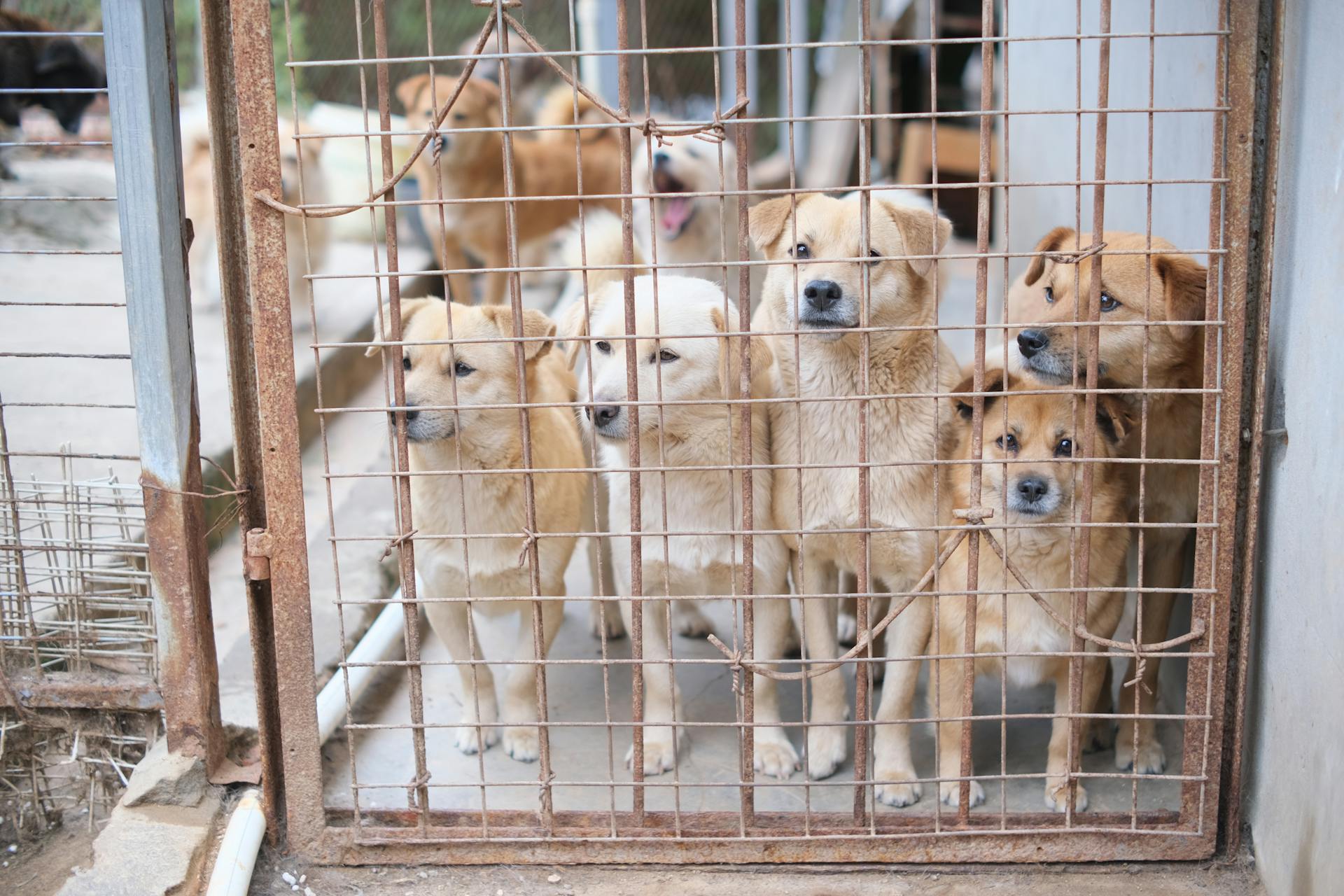
These professionals take appropriate actions to safeguard the welfare of animals, which is a vital part of their job. They may also be involved in managing wildlife concerns, dealing with issues like nuisance wildlife removal.
Animal control workers educate the public about responsible pet ownership, including licensing, vaccinations, and proper animal care. This is an important aspect of their role, as it helps prevent animal-related problems in the community.
Skills & Traits
As you consider a career in animal control, it's essential to understand the skills and traits required for the job. Animal control officers have a range of skills, with 13% providing animal education and teaching in humane treatment of animals and responsible pet ownership to citizens.
To be successful in this role, you'll need to be able to handle aggressive and non-aggressive domestic and wild animals, a skill that 5% of animal control officers possess. This may involve physical tasks, such as patrolling suburban and rural areas, which 7% of officers do to enforce county ordinances.
Animal control workers tend to be realistic individuals, which means they're independent, stable, persistent, genuine, practical, and thrifty. They're also likely to be investigative, with intellectual, introspective, and inquisitive personalities.
Here's a breakdown of some of the key skills and traits required for an animal control officer:
These skills and traits are essential for any animal control officer, and it's worth considering whether you possess them before pursuing a career in this field.
Workplace Environment
Animal control workers spend a significant amount of time outdoors, responding to calls and addressing various animal-related issues in diverse and dynamic environments.
Their work environment can be unpredictable, with animal control workers encountering a wide range of situations, from rescuing trapped animals to handling wildlife nuisances.
Fieldwork requires physical stamina, as it may involve chasing, capturing, or restraining animals, especially in emergency situations.
Animal control workers also spend time in office settings, handling administrative tasks such as documentation, record-keeping, and report generation.
In these environments, they maintain detailed records of animal-related incidents, investigations, and outcomes.
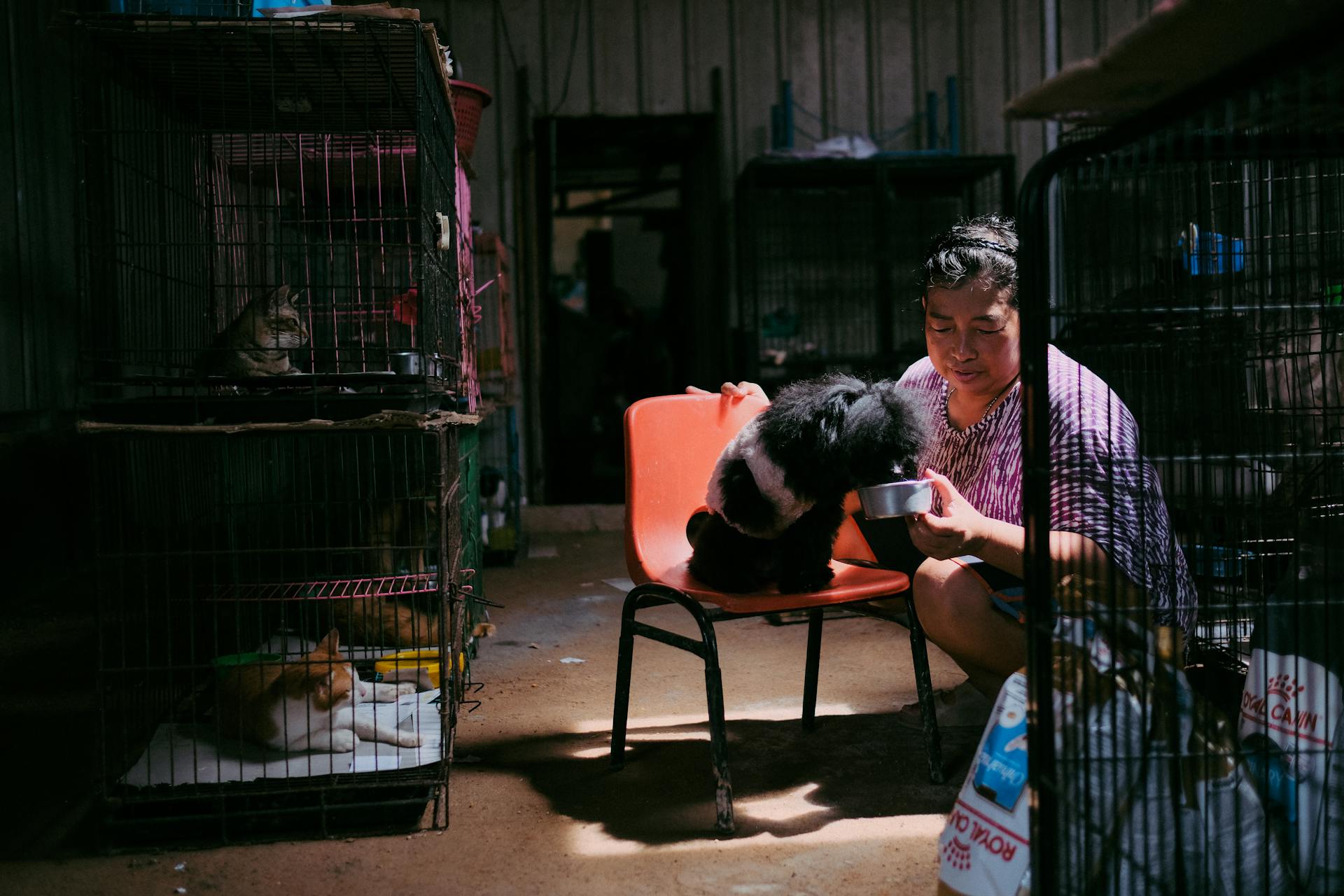
Animal control workers often work in animal shelters or facilities, participating in the care of animals awaiting adoption and ensuring they receive proper food, shelter, and medical attention.
This multifaceted profession requires a balance between hands-on fieldwork, administrative responsibilities, and compassionate care for animals in need.
Frequently Asked Questions
Are animal control officers considered law enforcement in Texas?
No, animal control officers in Texas are not considered law enforcement, but they do work closely with law enforcement agencies in their daily operations.
Featured Images: pexels.com