American Bulldog skin issues can be a real challenge for owners.
Regular grooming is essential to prevent skin issues in American Bulldogs.
Their short coats require regular brushing to remove dirt and debris that can cause irritation.
American Bulldogs are prone to skin fold dermatitis, a condition that occurs when the skin in their skin folds becomes irritated and inflamed.
Keeping their skin folds clean and dry can help prevent this condition.
In addition to regular grooming, a balanced diet is also crucial for maintaining healthy skin.
Related reading: Do American Bulldogs Have a High Prey Drive
Causes and Symptoms
American bulldogs are prone to skin issues, and understanding the causes and symptoms is crucial for providing proper care. Dry and flaky skin is a common problem in bulldogs, often caused by allergies, which can be triggered by food, environmental factors, or even their own skin.
Allergies can manifest in various ways, including environmental, food, skin, or genetic allergies, making bulldogs particularly susceptible. A lack of moisture can also contribute to dry and flaky skin, but it's essential to strike a balance and not allow water or sweat to get trapped between their folds.
Related reading: Are French Bulldogs Healthy Dogs
Poor nutrition can lead to dry and flaky skin, highlighting the importance of a well-balanced diet rich in essential nutrients. Certain medical conditions, such as hypothyroidism, Cushing's disease, and seborrhea, can also cause dry and flaky skin in bulldogs.
Bulldogs are prone to skin conditions due to their wrinkled skin, which creates a perfect environment for bacteria and yeast to thrive. This can lead to severe itching, licking, chewing, and rubbing of the skin, especially around the eyes, muzzle, ears, between the toes, and groin.
Common symptoms of skin conditions in bulldogs include severe itching, hair loss, hyperpigmentation, scaling of the skin, skin lesions, superficial pyoderma, secondary infection, and lichenification. These symptoms can be uncomfortable and painful for your bulldog, making it essential to address the issue promptly.
The causes of skin conditions in bulldogs can be attributed to various factors, including bacterial and yeast infections in moist skin folds, demodicosis mites, other ectoparasites, food or environmental allergies, and secondary infections or parasites.
Here are some common causes and symptoms of skin conditions in bulldogs:
- Bacterial and yeast infections in moist skin folds
- Demodicosis mites (Red Mange Mites)
- Other ectoparasites, such as fleas, ticks, lice or other mites
- Food or environmental allergies
- Severe itching
- Hair loss, partial or complete
- Hyperpigmentation
- Scaling of the skin
- Skin lesions (eyelids, flexural surfaces, axillae)
- Superficial pyoderma
- Secondary infection
- Lichenification
Diet and Nutrition
Common culprits like beef, chicken, dairy, or wheat can mess with your American Bulldog's immune system, leading to skin allergies or canine atopic dermatitis.
Consider transitioning to a diet specifically formulated to be hypoallergenic, which can significantly improve skin health and make them an ideal choice for dog breeds with known sensitivities.
A sudden diet change can upset your dog's tummy, so any switches should be gradual, mixing in new food with their current food over a week or so.
Adding supplements rich in omega-3 fatty acids to your dog's diet can help reduce inflammation and promote a glossy, healthy coat.
For another approach, see: American Bulldog Diet
Hypoallergenic Diet
If your American Bully is struggling with skin problems or hair loss, a hypoallergenic diet might be just what the doctor ordered.
You can consider transitioning to a diet specifically formulated to be hypoallergenic, which are designed to minimize the risk of allergic reactions.
These diets can significantly improve skin health, making them an ideal choice for dog breeds with known sensitivities.
Sudden diet changes can upset your dog's tummy, so any switches should be gradual, mixing in new food with their current food over a week or so.
This gentle transition allows your affected dog to adjust without added stress, promoting a smooth shift towards a diet that supports healthy skin and a happy life.
Alongside a balanced diet, make sure your Bully stays well-hydrated, as proper hydration helps maintain skin elasticity and health.
A well-hydrated dog is a happy dog, and healthy skin is just the beginning of a life of vitality and energy.
Frequency Of Use
When it comes to medicated shampoos, the frequency of use can vary depending on the condition and product. Always start with your veterinarian's recommendation.
Some conditions may require weekly baths, while others require less frequent applications. This is because some topical shampoos are designed for more frequent use.
Pay close attention to the label or the instructions provided by your vet. This will help you avoid potential side effects from using medicated shampoos too frequently.
Throughout this journey, we've explored a variety of strategies and treatments to address these issues.
Environmental Factors
Environmental factors play a significant role in American bulldog skin issues. Regularly washing your bulldog's bedding, toys, and play areas can help banish allergens that often hitch a ride on their coat and cause health problems.
Avoiding heavily trafficked roads and fields treated with pesticides on your daily walks can also make a difference. These areas can expose your bulldog to environmental allergens that may exacerbate skin issues.
Creating an allergen-free zone at home can significantly cut down on common symptoms of discomfort your American bulldog might be experiencing. This means keeping your home clean and free of allergens that can trigger skin problems.
Take a look at this: English Bulldog Skin Rash
Causes of Dry and Flaky Skin
Bulldogs are prone to allergies, which can cause their skin to become dry and flaky. Allergies can be triggered by environmental factors, food, or even their own skin.
Dry and flaky skin can also be caused by a lack of moisture in their skin, which can lead to skin conditions if moisture gets trapped in their folds.
Poor nutrition can lead to dry and flaky skin if your bulldog's diet is lacking in certain nutrients.
Certain medical conditions, such as hypothyroidism, Cushing's disease, and seborrhea, can cause dry and flaky skin in bulldogs.
Worth a look: American Bulldog Allergies
Environmental Changes
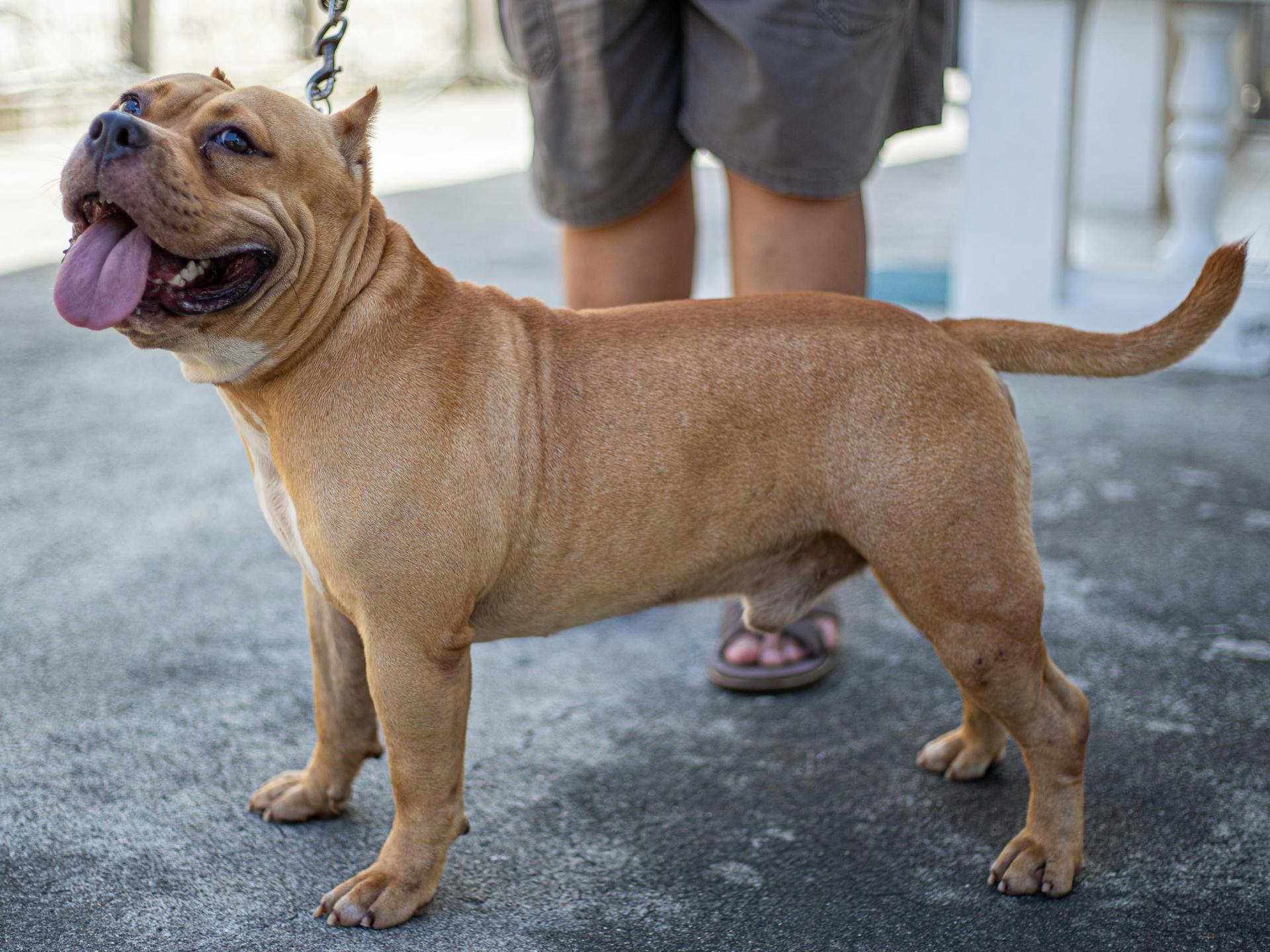
Regularly washing your Bully's bedding, toys, and play areas can help banish allergens that often hitch a ride on their coat and cause health problems.
You should create an allergen-free zone to significantly cut down on common symptoms of discomfort your American Bully might be experiencing.
Avoid places like heavily trafficked roads or fields treated with pesticides on your daily stroll to protect your Bully's skin and overall health.
Make slight changes in your walking routine to minimize exposure to potential skin irritants.
What Affects Dogs?
Dogs can develop skin issues due to various environmental factors. Bulldogs, in particular, are prone to skin problems due to their wrinkles, which can trap moisture and bacteria.
Their skin folds can become breeding grounds for bacteria and yeast, leading to infections. Regular cleaning of their wrinkles is crucial to prevent this.
Bulldogs are also susceptible to allergies, which can be caused by environmental factors. Allergies can lead to dry and flaky skin, as well as skin infections.
Suggestion: English Bulldog Skin Allergies Home Remedies
Some common skin conditions in Bulldogs include skin fold pyoderma, skin fold dermatitis, and demodex mite infection. These conditions can be painful and require veterinary attention.
Here are some common environmental factors that can affect a dog's skin:
- Bacterial and yeast infections in moist skin folds
- Demodicosis mites (Red Mange Mites)
- Other ectoparasites, such as fleas, ticks, lice or other mites
- Food or environmental allergies
It's essential to monitor your dog's skin for any signs of irritation, such as redness, itching, or flaking. If you notice any of these symptoms, consult with your veterinarian for advice on how to care for your dog's skin.
Skin Issues and Infections
Skin issues and infections are common problems for American Bulldogs. Their skin folds trap moisture, heat, and bacteria, making them prone to skin and coat difficulties.
Some common skin issues include Skin Fold Pyoderma, dandruff, and allergies. Skin Fold Pyoderma is a bacterial infection that causes lesions, redness, and itchiness.
Moist skin folds, dried discharge, and brown staining of hair are all signs of localized skin fold pyoderma. These symptoms can be uncomfortable for your dog and may lead to pain and difficulty cleaning the affected areas.
Here are some common symptoms of skin irritation in American Bulldogs:
- Redness
- Dryness
- Sores
- Licking, scratching, or gnawing at affected areas
Allergens can also cause skin irritation and dry coat in American Bulldogs. Lower humidity, such as during the winter, can increase the risk of dandruff.
Types of Issues
Skin issues can be a real challenge for American Bullies and Bulldogs alike. One of the most common problems is Skin Fold Pyoderma, a bacterial infection that thrives in the moist, dark areas of their skin.
Dry skin and flaky skin can be caused by allergies, a lack of moisture, poor nutrition, or certain medical conditions like hypothyroidism, Cushing's disease, and seborrhea.
Fungal and yeast infections are also common culprits behind skin problems in American Bullies, with the yeast Malassezia being a particular culprit. These infections can cause significant skin irritation and inflammation.
Bacterial skin infections, or pyoderma, occur when the normal bacteria that live on the American Bully's skin multiply excessively, often entering through breaks in the skin's surface.
Allergies can be caused by many things, including environmental factors, food, skin, or genetic factors, and can lead to skin inflammation, itchiness, and sometimes respiratory symptoms.
Here are some common symptoms of skin issues in American Bullies:
- Redness and swelling
- Itchiness and scratching
- Dryness and flakiness
- Pus-filled pimples and lesions
- Bad odor
Drying Properly
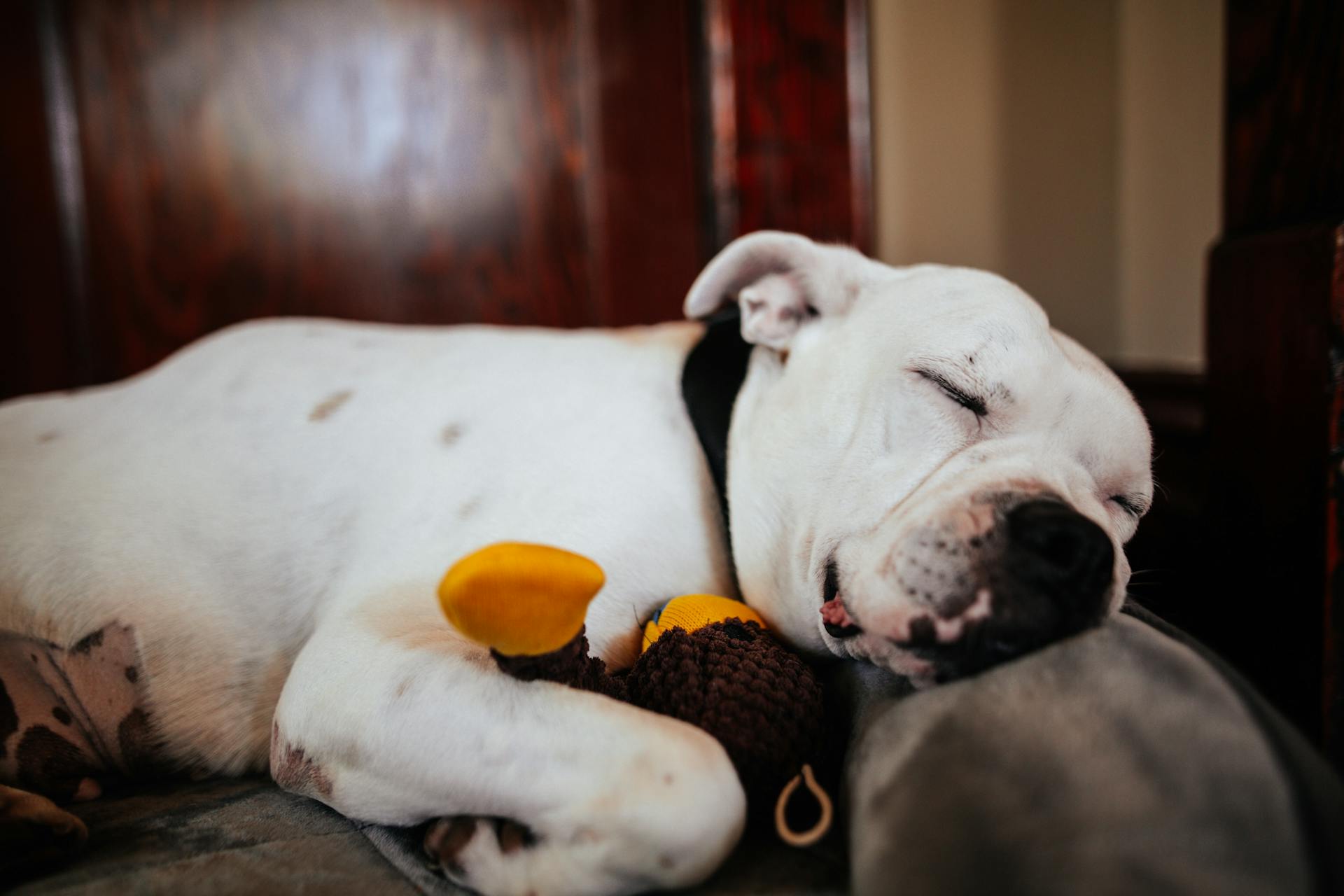
Drying your bulldog's skin properly is crucial to prevent skin conditions like yeast infections or hot spots.
Use a soft towel to pat the dog's skin dry rather than rubbing it, as rubbing can cause irritation.
Excessive moisture is a no-no, as it provides an ideal environment for pathogens like fungi, yeast, and bacteria to thrive.
In areas with skin folds or where the coat is denser, take extra care to remove as much moisture as possible.
If using a blow dryer, set it on a cool or low-heat setting and hold it at least a foot away from the skin to prevent drying out or burning it.
Too much heat can worsen skin problems by increasing inflammation or drying out the skin too much.
Treatment and Care
Bulldogs need their wrinkles cleaned and dried daily, or more frequently, to keep them dry and prevent bacterial overgrowth.
Regular bathing and thorough washing of the affected areas can make a difference for your dog, especially when using over-the-counter or prescription shampoos that can reduce itching or irritation.
Topical therapy is usually adequate for treating skin fold dermatitis, but some dogs may require surgical treatment to remove deep facial folds to prevent inflammation and microbial buildup.
Antibiotics may be prescribed to address bacterial infections, and it's essential to understand the dosage, frequency, and duration of the medicine to ensure your dog responds well to the treatment.
If your dog is prone to allergies, a balanced diet and skin supplements like fish oil can help keep their skin healthy and reduce the risk of infection.
Prevention is key, and keeping your dog's skin clean and dry can go a long way in preventing skin conditions.
If you suspect your dog has a medical condition or their skin is showing signs of yeast infections or other bacterial infections, consult with a veterinarian for proper diagnosis and treatment.
Medicated wipes and shampoos can be used to keep bacteria or yeast from growing in areas of excessive moisture.
A good, balanced diet and regular exercise can also help improve your dog's overall skin health and reduce the risk of skin conditions.
If this caught your attention, see: Staph Infection English Bulldog Skin Conditions Pictures
Diagnosis and Prevention
Your veterinarian will want to know about any and all symptoms you've noticed in your American Bulldog, so be sure to share those with them. This will help them understand the situation better.
The location of the skin issue is a crucial piece of information, and your vet will use it to inform their diagnosis. However, they'll also want to rule out other possible causes that may be associated with the issue.
A full physical exam is a must, even if the skin issue is obvious. Your vet will want to check for other areas of sensitivity that may not have developed into a skin infection yet.
Your vet may want to clean the affected area of skin to get a better look at the lesion. This involves clipping the area to remove excess fur and improve ventilation.
Fleas and other ectoparasites can contribute to skin issues, so your vet may treat them as part of the diagnosis and treatment plan.
Featured Images: pexels.com