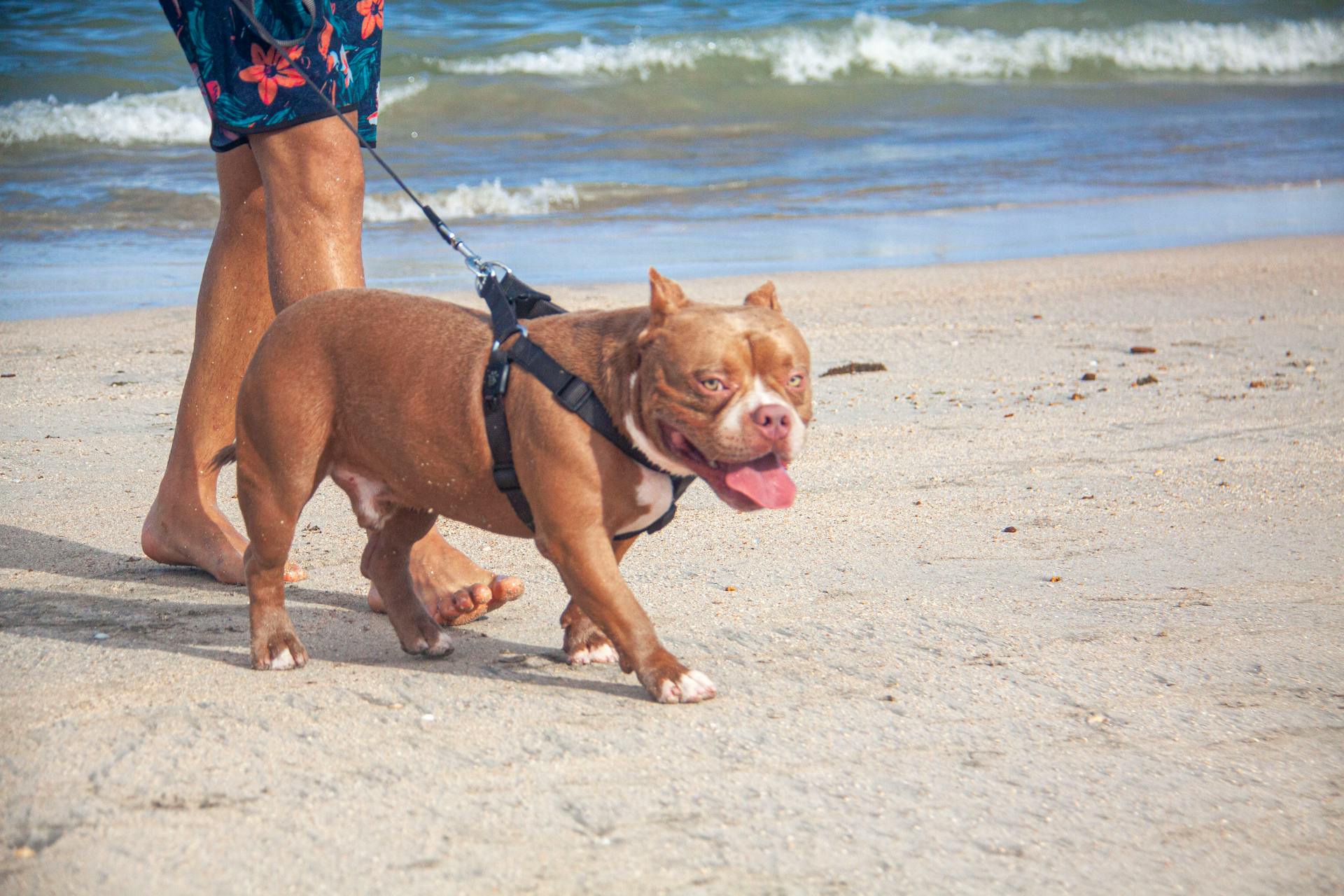
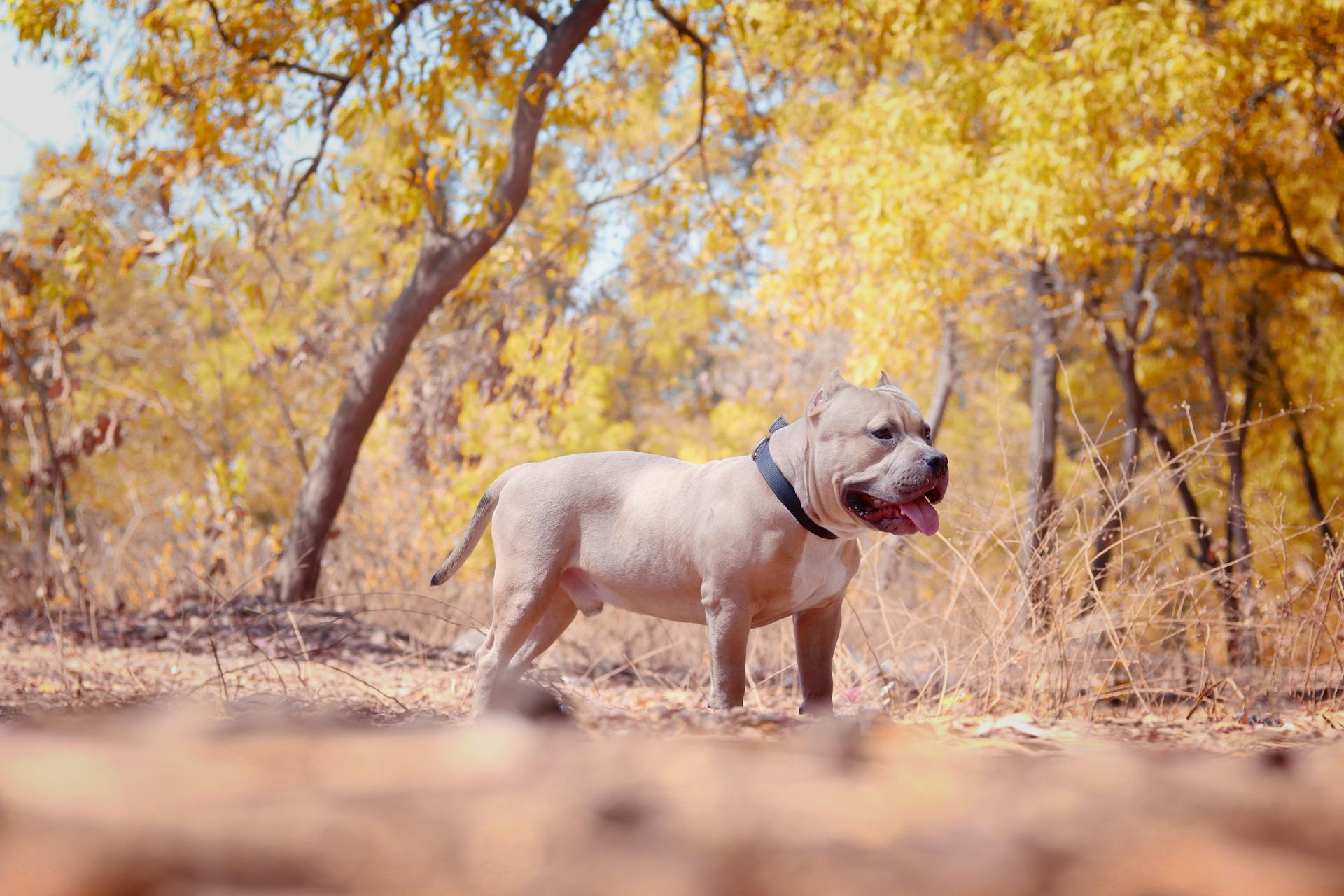
The American Bulldog is a beloved breed, known for its gentle and affectionate nature. They're often described as "laid-back" and "easy-going", making them a great fit for families with children.
Originating in the United States, the American Bulldog was bred from the English Bulldog and other local breeds. This history has given them a unique set of characteristics that set them apart from other breeds.
American Bulldogs can weigh anywhere from 70 to 120 pounds, and stand between 17 and 20 inches tall at the shoulder. Their short coats require minimal grooming, but they do need regular exercise to stay happy and healthy.
Discover more: Rare Dog Breeds in America
Temperament and Characteristics
American Bulldogs are typically friendly, loving, and loyal animals.
They like to play but sometimes roughhouse, making them great family pets, including in homes with young children or other animals.
However, early training is important to help keep your dog and others safe in stressful situations.
American Bulldogs were initially bred as protection animals, so they may instinctively view strangers, including people and other animals, as threats.
They are fiercely loyal to their family and view them as members of their "pack."
A well-trained and socialized American Bulldog can typically get along with other pets and with young children.
Their protective nature can sometimes make them wary of cats and other small pets, and may react to strange dogs - especially those of the same sex.
Early socialization can help reduce the risk of such events.
American Bulldogs are generally outgoing and friendly, but their loyalty to their family can sometimes lead them to be territorial and overly suspicious of strangers.
They are highly adaptable and trainable, making them lovely family dogs and watchdogs.
However, they require daily mental and physical activity to prevent hyperactivity and undesirable behaviors.
Without enough exercise, they can become destructive and chew on things they aren't supposed to.
Recommended read: Are Pit Bulls a Good Family Dog
Health and Care
American bulldogs are generally a healthy breed with a life expectancy of 10 to 16 years. They can live up to 13 years with proper care.
Their flat face makes them prone to breathing difficulties, such as brachycephalic airway obstructive syndrome (BAOS), which can require surgery. Respiratory tract disorders, heart conditions, and obesity are also common health issues in American bulldogs.
Some common health issues in American bulldogs include cataracts, mange, hypothyroidism, hip dysplasia, and elbow dysplasia. Regular veterinary check-ups, ear cleaning, nail clipping, and dental care can help prevent these issues.
Here are some common health issues in American bulldogs:
- Cataracts: Clouding of the eye's natural lens, leading to impaired vision or blindness.
- Mange: Skin conditions caused by mites, leading to itching, hair loss, and skin irritation.
- Hypothyroidism: Weight gain, lethargy, skin issues, and other health problems due to thyroid gland malfunction.
- Hip Dysplasia: Joint instability and arthritis due to improperly developed hip joint.
- Elbow Dysplasia: Pain, lameness, and arthritis in the affected limb due to improperly developed elbow joint.
Size
American Bulldogs can grow to quite a bit taller than other breeds, standing between 20 to 28 inches in height.
Their adult weight can range from 60 to 120 pounds, which is a significant size to consider for their care.
These sizes are considered standard for the breed, but some American Bulldogs can be larger or smaller than expected.
It's essential to remember that individual sizes can vary, so it's crucial to research and understand the breed's typical characteristics.
Here's an interesting read: Dog Breed American Bully
Lifespan
The American Bulldog's lifespan is a great topic to discuss. They can live for 10 to 16 years on average.
Their life expectancy is relatively long compared to other breeds, making them a great companion for many years. With proper care and attention, many American Bulldogs have been known to live well into their teens.
Here are some key facts to keep in mind:
- Average lifespan: 11.5 years
- Longest life expectancy among Bulldog breeds
- Can live up to 16 years with proper care
While they may be prone to certain health issues, many American Bulldogs live long, healthy lives with their owners. By being aware of these potential issues, you can take steps to prevent or manage them.
Health Issues
American bulldogs are generally a healthy breed, but like any breed, they can be prone to certain health issues. Their average lifespan is 10-16 years, but some may live longer or shorter lives depending on various factors.
Brachycephalic airway obstructive syndrome (BAOS) is a common issue in American bulldogs, caused by their flat face and elongated soft palate. This can lead to breathing difficulties and sometimes requires surgery.
Here's an interesting read: Oldest American Dog Breed

Respiratory tract disorders are also common in American bulldogs, with symptoms including snorting and wheezing. Pneumonia is another potential issue, which can be treated with medication or a hospital stay.
Heart conditions are a concern for American bulldogs, particularly pulmonic stenosis, which can interfere with blood flow to the pulmonary artery and sometimes the heart and lungs.
Obesity is a common issue in American bulldogs, and can be prevented by providing regular exercise and a balanced diet. A dog's daily diet should consist of 90% food with a seal from the Association of American Feed Control Officials (AAFCO) and no more than 10% treats.
Eye disease is also a concern, with corneal ulcers being a common issue. Trauma to the eye can cause ulcers, and severe cases can lead to blindness.
Here are some common health issues in American bulldogs:
- Brachycephalic airway obstructive syndrome (BAOS)
- Respiratory tract disorders
- Heart conditions (pulmonic stenosis)
- Obesity
- Eye disease (corneal ulcers)
- Neoplasia (cancer)
- Hip dysplasia
- Elbow dysplasia
Hip dysplasia is a hereditary condition where the hip joint doesn't develop properly, causing joint instability and arthritis. Elbow dysplasia is another developmental disorder affecting the elbows, causing pain, lameness, and arthritis.
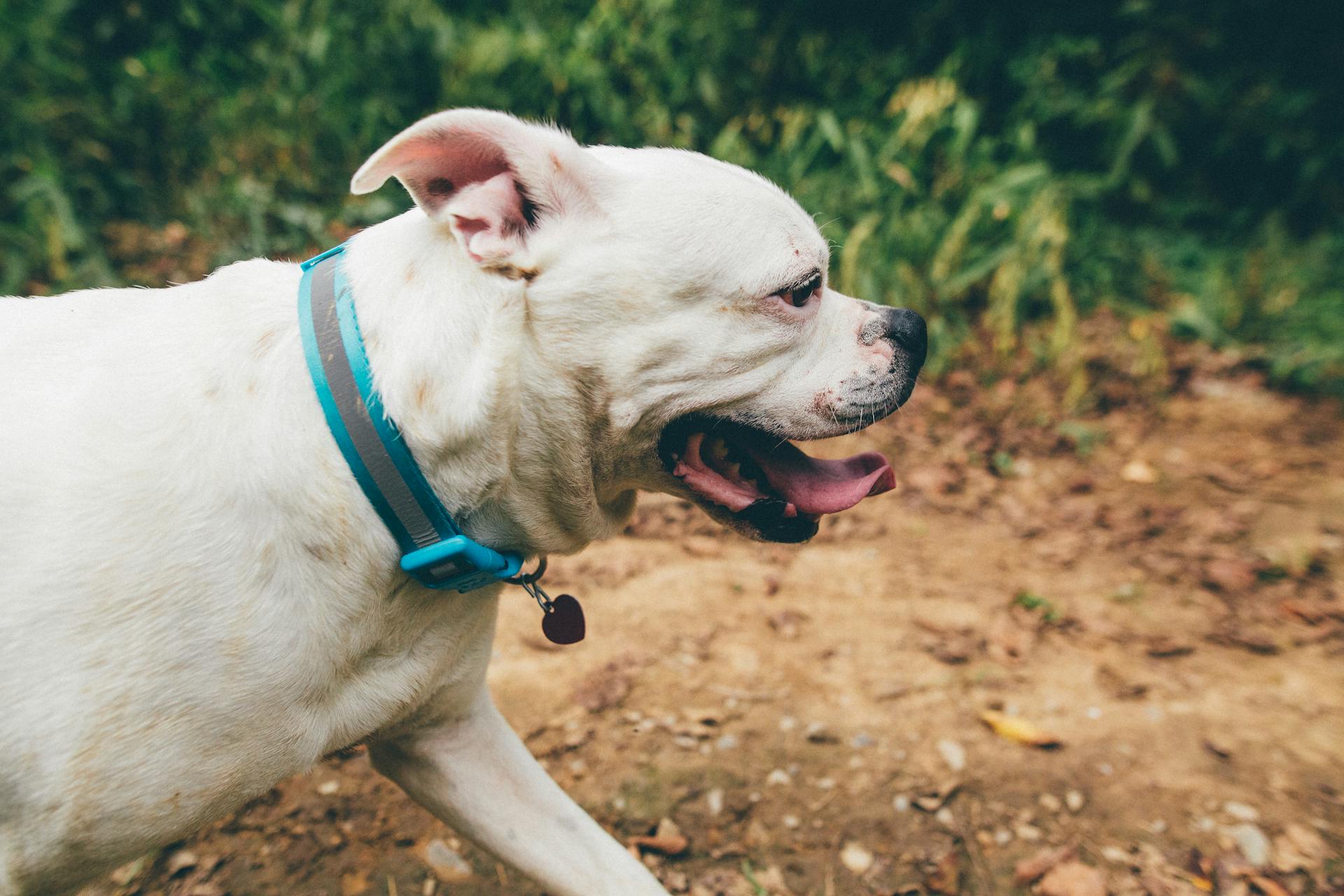
Neoplasia, or cancer, is a leading cause of death in American bulldogs, and can be treated with various methods. Knowing if your American bulldog is a carrier or at-risk for certain genetic health conditions, such as canine multifocal retinopathy 1 (CMR1), hyperuricosuria (HUU), ichthyosis, or nemaline myopathy, can help you and your veterinarian plan for your pup's lifelong care.
Responsible breeders will screen their dogs for genetic conditions like elbow and hip dysplasia.
Caring for Your
American Bulldogs are loyal, intelligent, and active dogs who require focused training and plenty of exercise. They love to spend their days playing tug-of-war, running agility courses, and going on long walks with their pet parents.
You'll need to schedule regular vet visits to keep your American Bulldog healthy. These visits will include vaccinations and check-ups to monitor their health.
American Bulldogs have short, mostly white coats that can have a few different-colored markings, but their skin care requires careful attention. Regular grooming is essential to prevent skin issues.
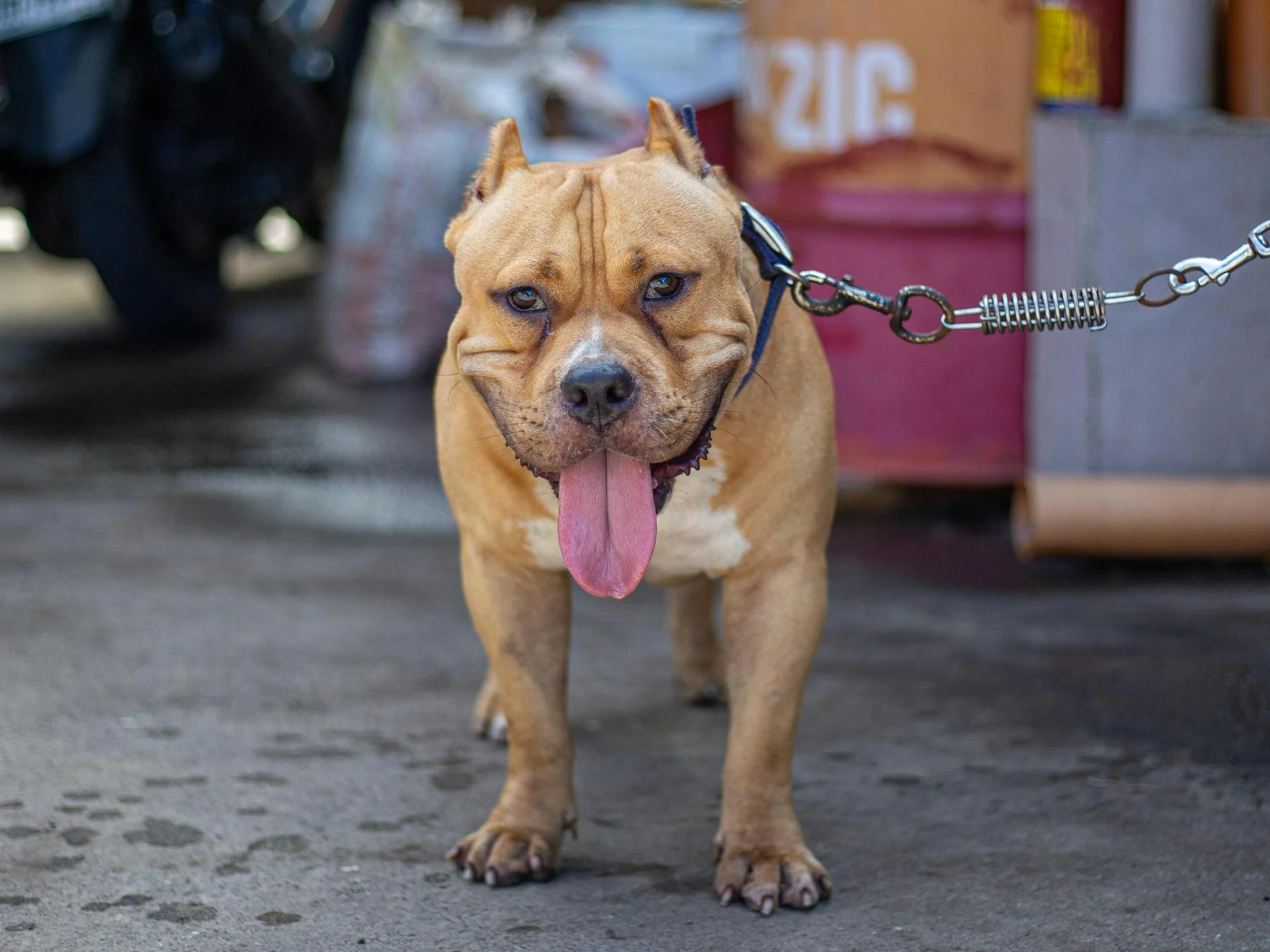
To keep your American Bulldog's nails healthy, you'll need to clip them monthly. You should also check their ears weekly to prevent infections.
Here are some common health issues American Bulldogs may experience:
- Cataracts: Clouding of the eye's natural lens that can result in impaired vision or blindness.
- Mange: A group of skin conditions caused by mites that infest the dog's skin, leading to itching, hair loss, and skin irritation.
- Hypothyroidism: A condition where the thyroid gland doesn't produce enough thyroid hormone, leading to weight gain, lethargy, skin issues, and other health problems.
- Hip Dysplasia: A hereditary condition where the hip joint doesn't develop properly, causing joint instability and arthritis.
- Elbow Dysplasia: A developmental disorder affecting the elbows, causing pain, lameness, and arthritis in the affected limb.
By being aware of these potential health issues, you can take steps to prevent or manage them, ensuring your American Bulldog lives a happy and healthy life.
Grooming and Feeding
American Bulldogs have short coats that don't require much grooming, but regular maintenance is a must. They need regular nail trims to prevent infections and in-home slips, as well as daily brushing of their teeth to prevent gum disease.
To keep their coat clean and shiny, American Bulldogs should be bathed at least once every three months using a dog shampoo. Their ears should be cleaned regularly to combat bacteria, dirt, and build-up, which is especially important since they're prone to ear infections.
Here are some key grooming tasks to keep in mind:
- Trim their nails every couple of weeks
- Brush their teeth daily
- Clear their ears about once a month
- Give regular baths (at least once every three months)
When it comes to feeding, American Bulldogs need a diet rich in protein and low in carbohydrates to maintain a muscular build. They should be fed a diet formulated for large-breed dogs, and their feeding schedule should be adjusted as they mature from puppyhood to adulthood.
Grooming
Grooming is a crucial aspect of American Bulldog care, and it's relatively low maintenance. Regular nail trims can prevent infections and in-home slips.
American Bulldogs have a short coat that sheds moderately throughout the year. Weekly brushing should keep it under control, with baths as needed.
Their wrinkles and skin need lots of attention, so regular ear cleaning is a must. Clean your dog's ears regularly to combat bacteria, dirt, and build-up.
Daily brushing is critical to prevent gum disease, which is the leading health problem in American Bulldogs. Brushing their teeth regularly will help keep your dog's mouth healthy.
Here are some essential grooming tasks to keep your American Bulldog clean and healthy:
- Trim their nails every couple of weeks
- Brush their teeth daily
- Clear their ears regularly
- Give regular baths (at least once every three months)
Remember, regular grooming is key to keeping your American Bulldog happy and healthy.
Dog Feeding Guide
Feeding your American Bulldog the right food is crucial for their growth, wellness, and overall health. A healthy American Bulldog will be well-padded, with little fat and with no ribs showing.
Related reading: Are American Bulldogs Pit Bulls
To maintain a muscular build, your American Bulldog needs food that's rich in protein, with limited carbohydrates. This is why feeding them a diet formulated for large-breed dogs is recommended.
American Bulldog puppies typically need to be fed three times a day. You should consult with your veterinarian to create a feeding schedule that meets their nutritional needs without causing digestive problems or obesity.
As your American Bulldog matures, feeding them two meals a day is recommended. Look for options approved by the Association of American Feed Control Officials (AAFCO) when choosing food.
The amount of food you provide daily depends on your dog's individual needs and lifestyle. You can find guidance on portions based on your dog's weight on the bag of AAFCO-approved dog food.
Treats should make up only 10% of your dog's calorie intake and never replace a diet. Dogs fed a complete and balanced commercial food diet should not need any nutritional supplements unless recommended by a veterinarian.
It's essential to pick a food that's catered to your American Bulldog's life stage, whether it's puppy, adult, or senior. This will ensure they receive the necessary nutrients for optimal growth and wellness.
Additional reading: Dog Names for American Bulldog
Training and Behavior
Training and behavior are crucial aspects of American Bulldog ownership.
American bulldogs are naturally inclined to please, making them responsive to training as long as owners are committed and consistent. They need to be trained using positive reinforcement techniques, such as rewarding them with treats, to build trust between the dog and its owner.
Early training and socialization are vital to help American bulldogs remain calm in new situations. This includes exposing them to different environments, like having visitors over or going to a park around strangers.
American bulldogs are large, active dogs that require consistent physical and mental stimulation. This can be achieved through regular playtime, long walks, and activities like hikes and jogs. They also enjoy a good afternoon nap.
Their energetic nature means they don't like being left alone in a backyard, so they require constant stimulation and companionship. Positive reinforcement training practices, such as puppy training classes, are highly recommended to help them retain proper boundaries.
You might like: All about Dogs Dog Training
History
The American bulldog has a rich and fascinating history. They first descended from the English bulldog, and historians believe they may have been in America as early as the 17th century.
The Bulldog Club of America was formed in 1890, and American bulldogs worked on cattle and hog farms in the Southeast, also serving as protection animals for people and property.
After World War II, the breed was nearly extinct, but thanks to devoted breeders like John D. Johnson and Alan Scott, they were able to preserve the breed.
The breeders worked with other breeders to revive the breed, and today there are two main lines: the "Scott" dogs (standard) and the "Johnson" dogs (bully). Many American bulldogs are a hybrid of the two.
The American bulldog is not a recognized breed by the American Kennel Club (AKC), but it is listed under the Foundation Stock Service, which is a classification given to breeds on their way to receiving full recognition.
Worth a look: Akc Agility All-american Dog Breed
The breed's ancestor is the Old English Bulldog, which was brought to North America by working-class immigrants who wanted to keep their working dogs to help on the farms.
The breed's agility, intelligence, and loyalty made them very helpful for handling cattle, as well as hunting wild pigs, which were an invasive species in the American south.
The American bulldog was originally used in the barbaric sport of bull baiting, but by the end of World War II, the breed was almost extinct.
The United Kennel Club (UKC) recognized the breed in 1999, and it is now recognized by the National Kennel Club, which officially registered the breed in 1970.
Discover more: American Bulldog Dog Aggression
Considerations for Pet Parents
If you're considering bringing home an American Bulldog, you'll want to think about your lifestyle first. Are you a jogger or do you like to go on long weekend hikes? An American Bulldog can fit right in.
They need plenty of exercise, so a low-energy home without outlets for their physical energy won't be suitable. You'll need to provide them with activities that will keep them active and engaged.
As mentioned earlier, these dogs are loyal and intelligent, but they can be destructive if they don't get enough physical and mental stimulation. Failing to meet their needs can result in anxiety, boredom, and destructive behavior.
American Bulldogs don't shed a lot, but their skin care requires careful attention. You'll need to keep an eye on their skin health to prevent any issues.
If you have children, socialization training should begin early for your American Bulldog. This will help them become great with kids and loyal to the whole family.
Fun and Activities
American Bulldogs are a fun-loving breed that thrive on physical and mental stimulation. They love to stay active and engaged, making them perfect for owners who enjoy outdoor activities.
One great way to keep your American Bulldog entertained is through agility training, which helps improve their coordination, speed, and agility. You can set up an obstacle course in your backyard or enroll them in agility classes.
Broaden your view: Dog Agility Dogs
If you live near a body of water, swimming is an excellent way to provide your American Bulldog with exercise and fun. Many American Bulldogs are natural swimmers and love splashing around in the water.
Some other fun activities you can try with your American Bulldog include tracking, dock diving, lure coursing, and tug-of-war. These activities challenge their minds and bodies, helping to prevent boredom and destructive behavior.
Here are some fun activities you can try with your American Bulldog:
- Agility
- Tracking
- Dock diving
- Lure coursing
- Swimming
- Tug-of-war
Fun Facts
You know what's fun about American Bulldogs? They have really cute and popular names! According to PetScreening's 2024 database, the majority of users name their male American Bulldogs Zeus, while female owners love Bella.
American Bulldogs are originally from the southeastern United States, where they served as cattle dogs and property protectors. They descended from the English bulldog.
If you're considering getting an American Bulldog, you should know that they come in two types: the "bully" type and the "standard" type. The "bully" type is slightly smaller in length and heavier than the "standard" type.
American Bulldogs are active dogs and need plenty of exercise, despite their laid-back appearance. Don't let those adorable rolls fool you!
Here are some fun name options for your American Bulldog:
Fun Activities

American Bulldogs are a blast to be around, and they love to engage in fun activities that get them moving and exercising their natural instincts. Agility training is an excellent way to challenge their physical and mental abilities.
You can set up an obstacle course in your backyard or sign up for a local agility class, where your American Bulldog can learn to navigate tunnels, jumps, and weave poles. With patience and positive reinforcement, they'll be flying through the course in no time!
Tracking is another activity that's perfect for American Bulldogs, as they have a strong prey drive and love to follow a scent trail. It's a great way to provide mental stimulation and exercise their sense of smell.
If your American Bulldog enjoys water, dock diving is an absolute must-try! They'll love jumping off a dock and swimming to retrieve a toy or treat.
Lure coursing is a high-energy activity that's similar to agility, but focuses on chasing a lure (usually a plastic bag or ribbon) around a course. It's an excellent way to get your American Bulldog running and burning off energy.
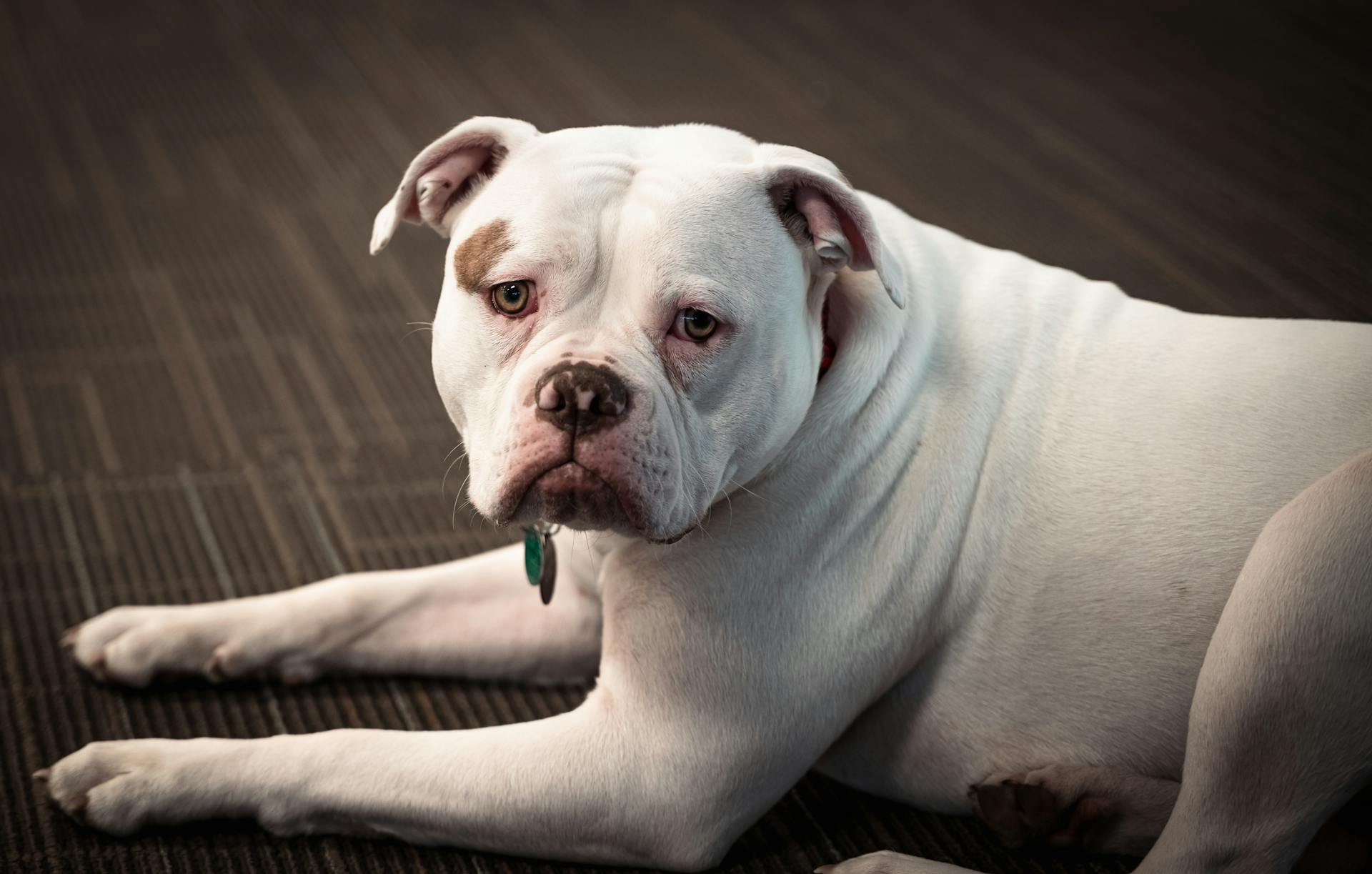
Swimming is a low-impact activity that's perfect for American Bulldogs, especially those with joint issues or mobility problems. It's a great way to provide exercise and fun without putting excessive strain on their joints.
Tug-of-war is a classic game that's perfect for American Bulldogs, as they love to play with toys and engage in rough-and-tumble play. Just be sure to use a sturdy toy that can withstand their powerful jaws and teeth.
Rescue and Adoption
If you're interested in adopting an American Bulldog, there are several options to consider. You can check out American Bulldog Rescue, a non-profit group that specifically tries to find homes for dogs of this breed.
Local shelters near you may also have American Bulldogs available for adoption. You can use their online resources to search for adoptable dogs.
The American Bulldog Association and the Bulldog Club of America are great resources for learning more about the breed and finding reputable breeders. However, if you're getting your dog from a breeder, be sure to ask for a relevant medical history and any diseases in the dog's bloodline.
You can also look into rescue organizations such as the American Bulldog Rescue for dogs in need of a loving home.
Additional reading: Bully Dog Rescue
Frequently Asked Questions
Is the American Bulldog a pitbull?
No, the American Bulldog is a distinct breed from the American Pitbull, with its own unique history and characteristics. While both breeds have distinct origins, understanding their differences can help clarify their individual traits.
Is an American Bulldog a good family dog?
American Bulldogs can make loving and loyal family members if well-trained, but they may require patience and socialization as they mature
What are American Bulldogs a mix of?
American Bulldogs are a mix of Asiatic mastiffs and pugs, with a strong connection to the English bulldog breed.
Are American Bulldogs cuddly?
Yes, American Bulldogs are known for their affectionate nature and love to cuddle with their owners. They make great lap dogs despite their size.
How many types of American Bulldogs are there?
There are two main types of American Bulldogs: the classic type, also known as the Johnson or Bully, and another type.
Featured Images: pexels.com