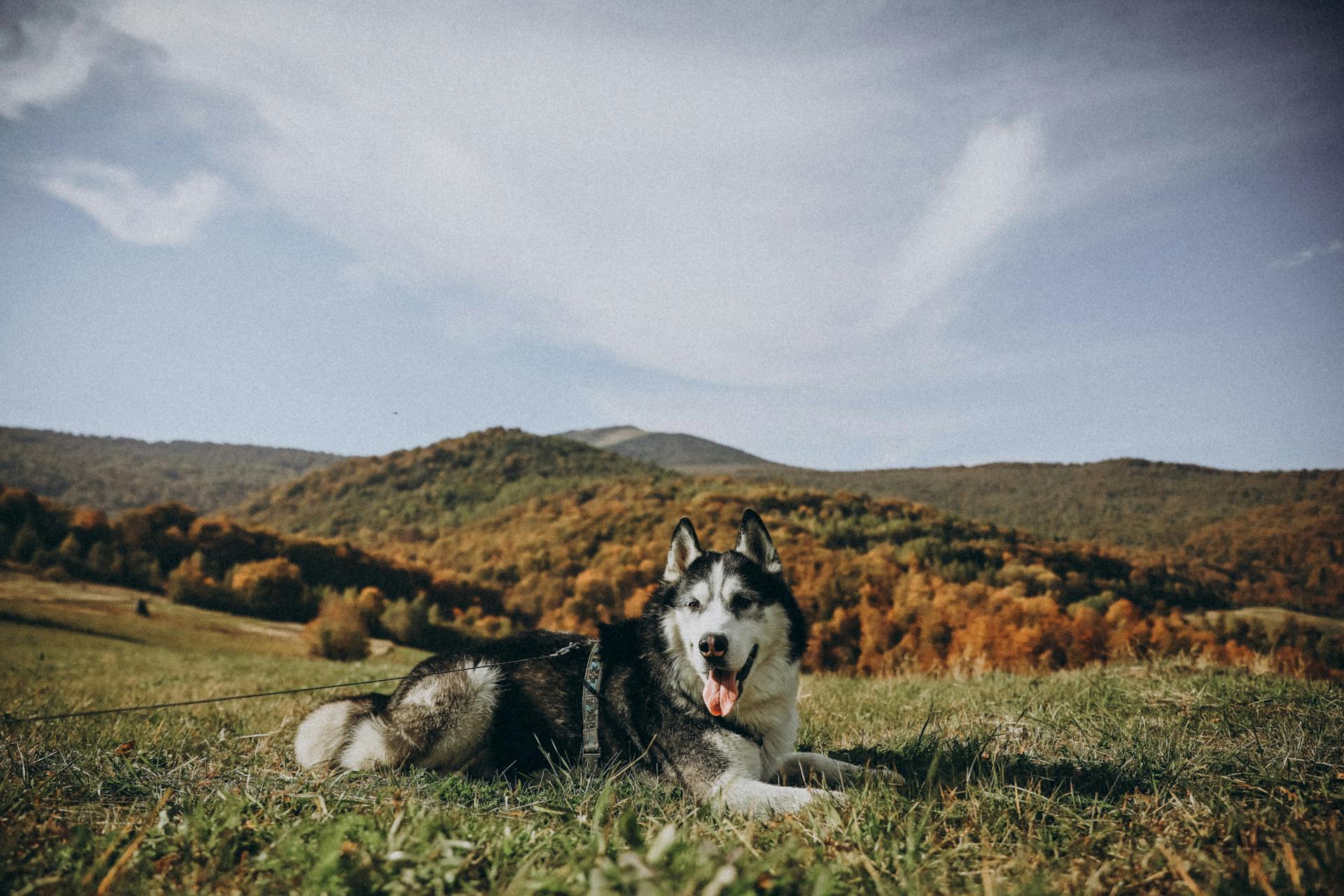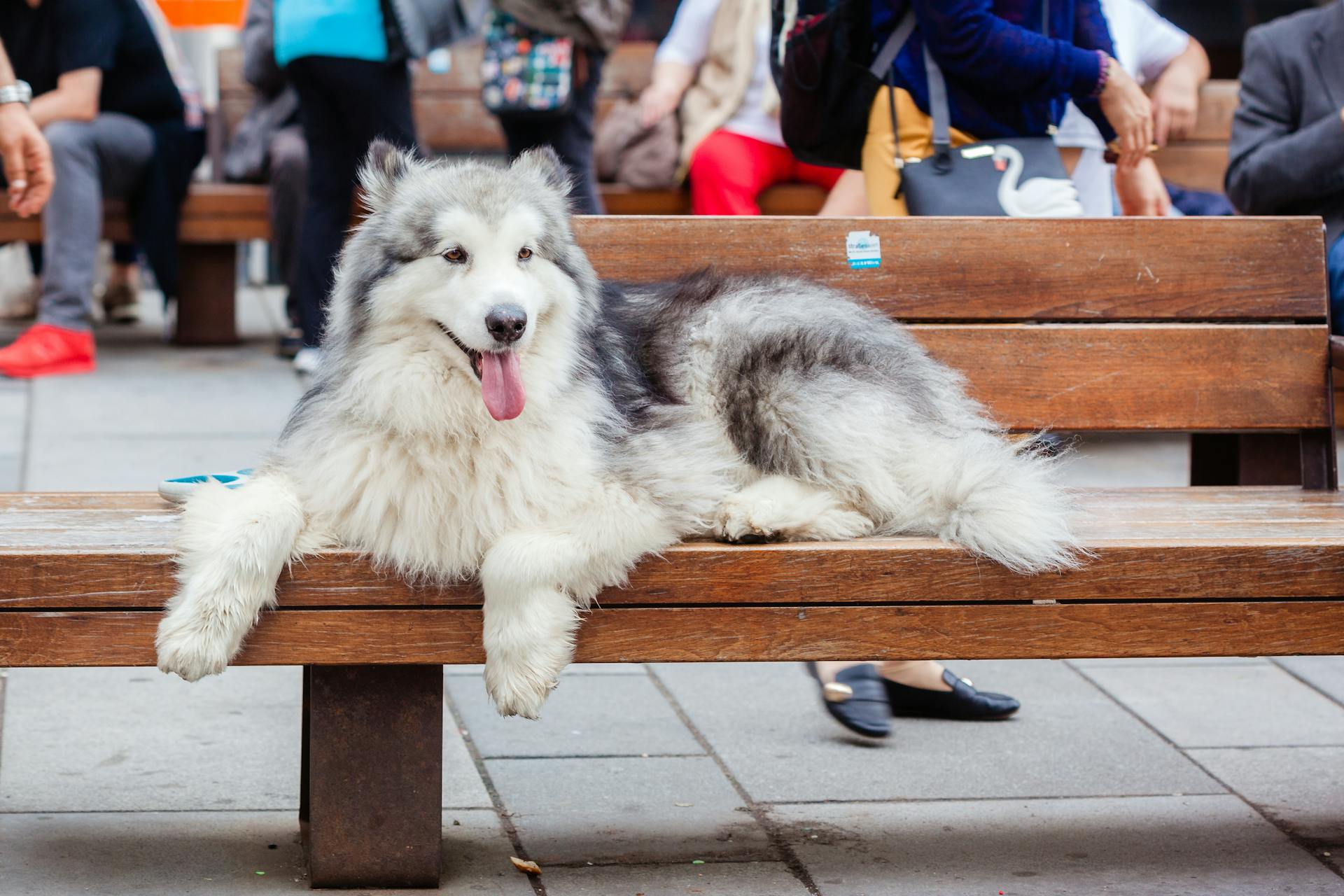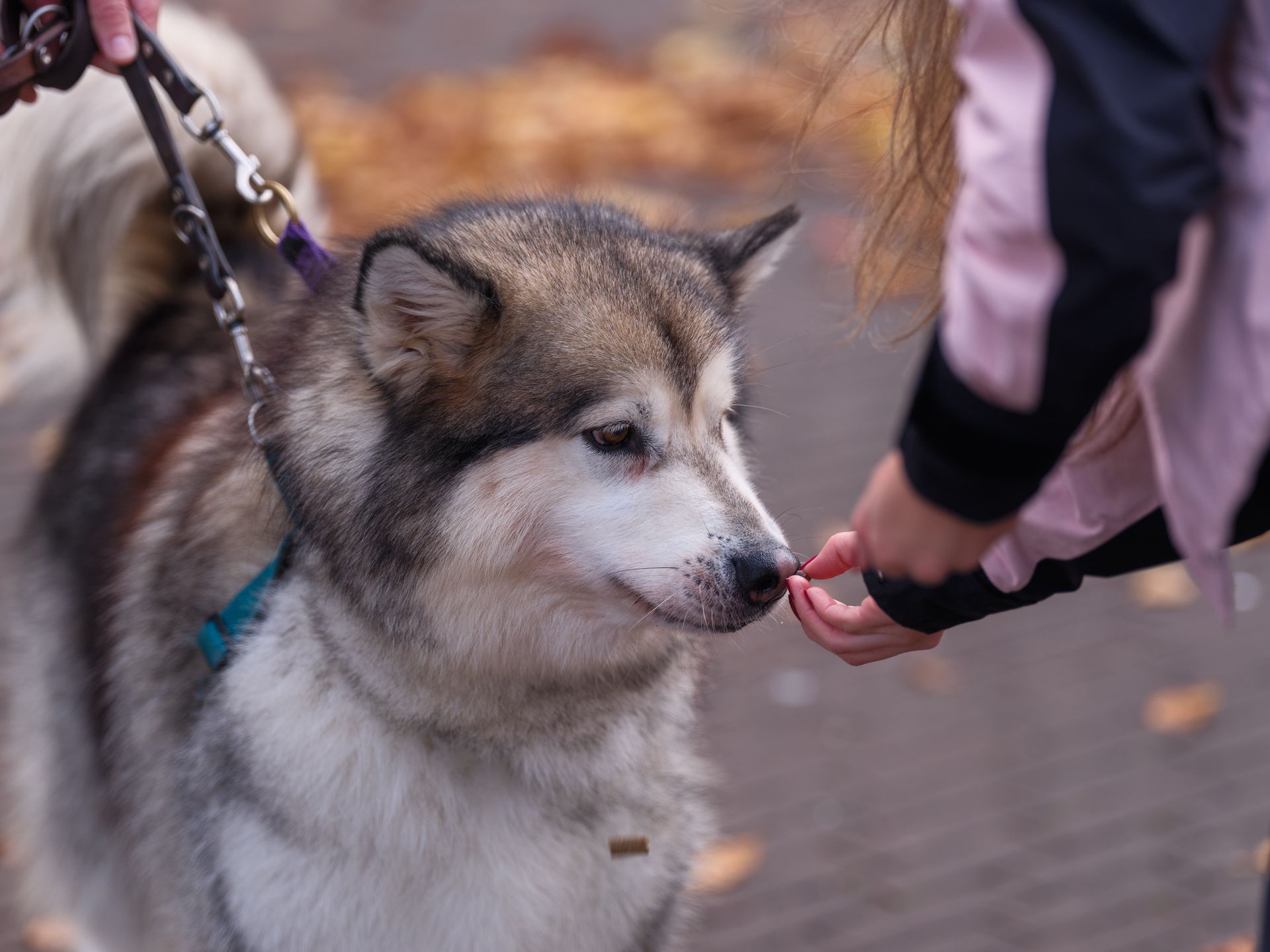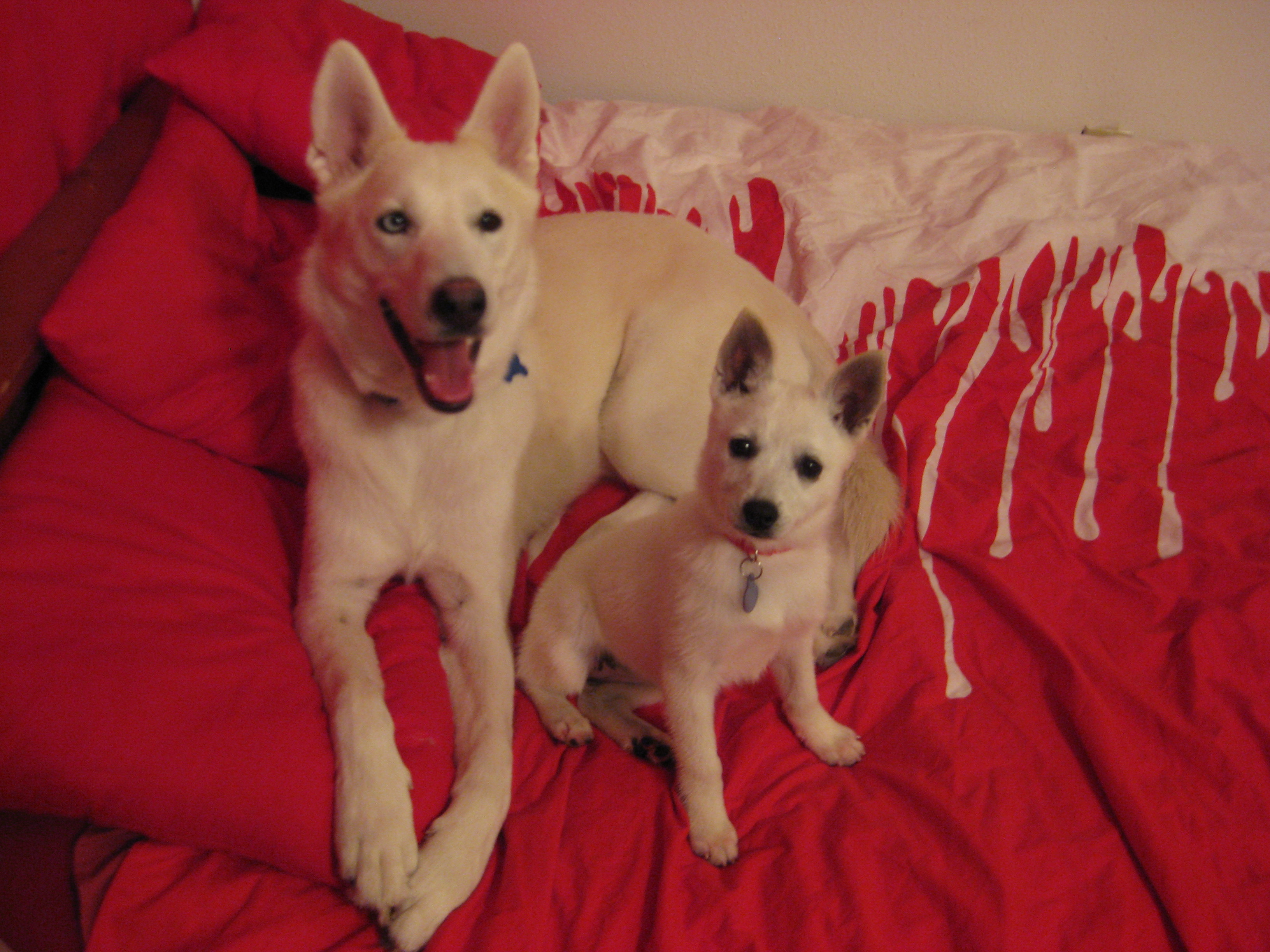
The Alaskan Klee Kai is a small to medium-sized dog breed that originated in Alaska, weighing between 20-40 pounds and standing 13-17 inches tall. They were developed from the Alaskan Husky and are known for their friendly and outgoing personalities.
One of the unique characteristics of the Alaskan Klee Kai is their small size, making them a great choice for city living or for families with smaller spaces. They are also highly intelligent and active, requiring regular exercise and mental stimulation to prevent boredom and destructive behavior.
The Alaskan Klee Kai has a thick double coat that sheds heavily, requiring regular grooming to prevent matting and tangling. They come in a variety of colors, including white, black, gray, and tan, and can have a variety of markings and patterns.
History of
The Alaskan Klee Kai is a relatively rare breed with a fascinating history. Linda Spurlin, an Alaskan breeder, began developing the breed in the 1970s.
Spurlin's goal was to create a smaller version of the huskies she was familiar with that had her ideal look and temperament. She crossed Alaskan and Siberian huskies with American Eskimo dogs and schipperkes to achieve this.
The name "klee kai" comes from the indigenous Athabaskan language and means "little dog." This name was chosen to reflect the breed's origins and small size.
The breed has gained popularity over the decades, with some famous owners like Miley Cyrus and Joe Jonas bringing Alaskan Klee Kai into their families. The American Kennel Club accepted the breed into its Foundation Stock Service in 2020.
Linda Spurlin developed a strict breed standard and began selling Klee Kai puppies to the public in 1987.
Additional reading: What Are Siberian Huskies Good for
Care and Grooming
Alaskan Klee Kai need lots of physical activity and mental stimulation to stay happy and healthy.
They require about an hour of playtime and exercise every day to keep them from getting bored. This can be a challenge for some owners, but it's essential for their well-being.
Weekly brushings are typically enough to remove excess hair from their double coat, which sheds quite a bit.
Care
Alaskan Klee Kai are high-energy dogs that need lots of physical activity and mental stimulation. They require about an hour of playtime and exercise every day to keep them from getting bored.
Their intelligence can make training moderately receptive, but they can also be stubborn at times. Consistency and patience are key when teaching them new things.
Alaskan Klee Kai have a double coat that sheds loose fur, which needs to be brushed once a week to prevent matting. This helps keep their coat looking healthy and shiny.
Their grooming needs are relatively straightforward compared to other breeds, but they still need regular attention to stay clean and healthy.
Grooming
Alaskan Klee Kai shed quite a bit due to their double coat, but weekly brushings are typically enough to remove excess hair.
These dogs blow their coats twice a year, making regular grooming essential during seasonal shedding periods. A bath will remove some of the excess hair during these times.
Regular nail trims and ear cleanings are also easy ways to keep your pup healthy and looking good. These simple tasks can make a big difference in your Klee Kai's overall well-being.
Alaskan Klee Kai require regular dental care, including at-home teeth brushing and annual professional dental cleanings. Good dental hygiene is essential for their overall long-term health.
They don't need frequent baths, once every few months is fine, but they do benefit from a weekly brushing and occasional combing to help with loose fur.
Coat and Coloring
The Alaskan Klee Kai's coat is a double coat, which means it has two layers of fur. This double coat helps to keep them warm in cold temperatures.
Their coat can be shades of black, grey, and red, and it's worth noting that a solid coat color that includes white is acceptable.
A solid coat color without distinct markings does not meet the breed standard.
For another approach, see: Pembroke Tricolor Corgi
Exercise and Health
Exercise is essential for Alaskan Klee Kai, as they have strong hunting instincts and a high prey drive. They can be unreliable off-leash and may become high-strung and anxious without sufficient physical activity.
Play sessions in a secure, fenced yard and regular leashed walks are great ways to keep your Klee Kai happy and fulfilled. Activities like agility and obedience training are also a great fit for these quick and intelligent dogs.
With proper exercise, your Alaskan Klee Kai can live a long and healthy life, with a life expectancy of 13-16 years.
For another approach, see: Oldest Great Dane Dog
Exercise
Exercise is crucial for Alaskan Klee Kais, as they need at least an hour of physical activity per day to prevent boredom and destructive behavior.
These dogs have excellent endurance and enjoy being challenged both mentally and physically. They thrive on activities like long walks, jogging, and running.
A secure, fenced area is a must to keep your Alaskan Klee Kai safe, as they can be difficult to train to come when called and have the athleticism to run away quickly.

To keep your dog happy, play sessions in a secure, fenced yard and regular leashed walks are a great idea. You can also try dog sports like agility, weight pulling, and dock diving.
Food puzzles are a great way to keep your dog busy when you need a break. They can be a fun and challenging way to provide mental stimulation.
Here are some activities you can enjoy with your Alaskan Klee Kai:
- Long walks
- Jogging
- Running
- Hiking
- Dog sports, such as agility, weight pulling, and dock diving
- Food puzzles
Without sufficient exercise, Alaskan Klee Kais can become high-strung and anxious. Regular exercise can help prevent this and keep your dog happy and healthy.
Health Issues
Living a long, healthy life is within reach for your Alaskan Klee Kai, especially if you keep them healthy. They can live up to 16 years.
Like many small dogs, Alaskan Klee Kai have a long life expectancy. This is a testament to their overall healthiness.
Their longevity is also due to the fact that they are a generally healthy breed. However, there are some common conditions in this mini Husky breed.
Some of these conditions can be life-threatening, but they are treatable. With proper treatment, your Klee Kai can live a long, healthy life.
For your interest: Average Lifespan of Boston Terrier
Feeding and Nutrition
When choosing food for your Alaskan Klee Kai, look for a high-quality, well-balanced dog food that meets nutritional guidelines set by the Association of American Feed Control Officials (AAFCO).
Your vet is a great resource for selecting the best food for your dog. They can help you make an informed decision based on your Klee Kai's individual needs.
It's essential to feed your Alaskan Klee Kai a food that meets AAFCO standards to ensure they're getting the nutrients they need.
Talk to your vet if you have any questions or concerns about your Klee Kai's diet. They can provide personalized advice and guidance.
Don't give your dog any supplements until you've consulted with your veterinarian, as they can recommend the best course of action for your Klee Kai's specific needs.
Additional reading: What's the Best Dog Breed
Size and Weight
The Alaskan Klee Kai dog breed comes in three distinct sizes, each with its own unique characteristics.
The smallest of the three is the Toy Variety, which tops out at 13 inches in height.
The Miniature Variety is slightly larger, growing to be over 13 inches but no more than 15 inches tall.
The Standard Variety is the largest of the three, reaching heights of up to 17 inches.
Here's a quick summary of the sizes:
Personality and Temperament
The Alaskan Klee Kai is a breed that's full of energy and personality. They're intelligent dogs who can develop a stubborn streak, so be patient and gentle during training.
These dogs are naturally protective of their territory and will sound the alarm with a "woo woo" bark to alert you to potential threats. They're great guard dogs, but their tendency to be vocal might not make them the best fit for apartment living.
Alaskan Klee Kais are affectionate dogs, but they can be standoffish with strangers. They'll often have a favorite human and can be suspicious of others unless introduced properly.
Here are some key personality traits to keep in mind when considering an Alaskan Klee Kai as a pet:
Alaskan Klee Kais are naturally wary of strangers, so socialization from an early age is crucial. They'll happily join their humans on a long walk or for a backyard playtime session, and when all that energy is spent, they make perfect cuddle companions.
Where to Adopt/Buy
If you're looking to bring an Alaskan Klee Kai into your life, you'll want to know where to start. You can expect to pay around $1,500 to $3,000 for a reputable breeder puppy, though prices can vary widely depending on several factors.
Finding a reputable breeder can be a challenge, especially if you live in a remote area. It's not uncommon for breeders to be hard to find, but it's worth the extra effort to ensure you're getting a healthy puppy.
If you're set on adopting an adult Alaskan Klee Kai, it's worth checking local animal shelters and breed-specific rescue groups. However, due to the breed's rarity, it's unlikely you'll come across one at a shelter.
You can try contacting the following organizations to help connect you with an Alaskan Klee Kai:
- Alaskan Klee Kai Association of America
- Alaskan Klee Kai National Rescue
Pros and Cons
The Alaskan Klee Kai is a unique breed that offers some wonderful advantages. They are incredibly intelligent, making them a joy to train and interact with.
However, their high intelligence also means they need lots of exercise and mental stimulation to prevent boredom and destructive behavior. This is a crucial aspect of their care, as they can become restless and vocal if not provided with enough physical and mental activity.
If you're considering bringing an Alaskan Klee Kai into your family, it's essential to be aware of their potential drawbacks. They can be wary of strangers, which may require some patience and socialization during the puppy stage. Additionally, they can be very vocal, so be prepared for some barking and howling.
Here are some key pros and cons to consider:
- Intelligent
- Loyal
- Has the appearance of a husky but can live in a smaller space
- Needs lots of exercise and mental stimulation
- Can be wary of strangers
- Can be very vocal
Pros
The Alaskan Klee Kai is a wonderful breed, and one of the things that makes them so great is their intelligence. They're highly intelligent dogs that can learn quickly and easily.
One of the benefits of this intelligence is that they can be trained to do just about anything. With patience and consistency, you can teach your Alaskan Klee Kai all sorts of tricks and commands.
Recommended read: One Eyed Shih Tzu
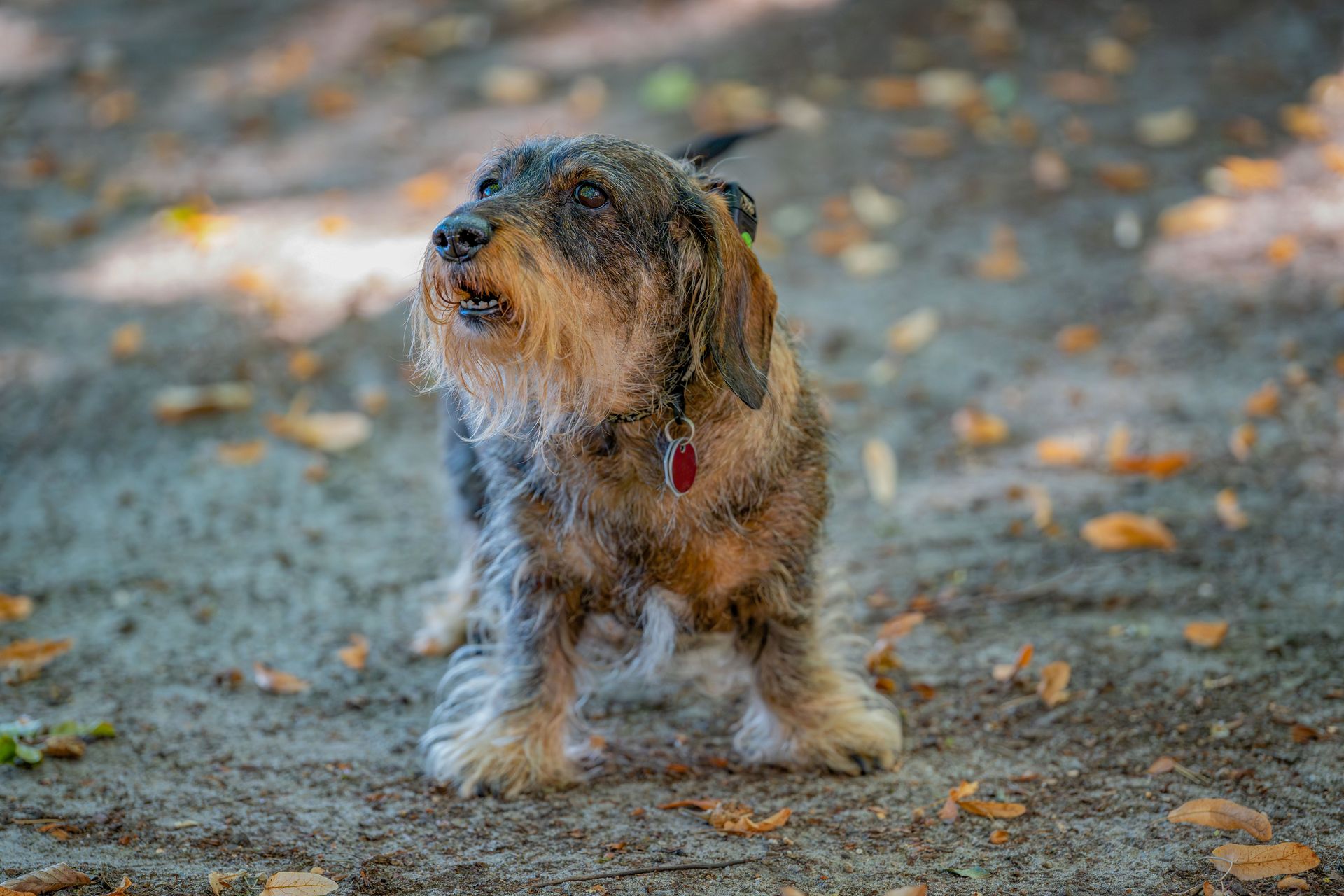
They're also very loyal dogs, which makes them wonderful companions. They bond strongly with their owners and are often described as "velcro dogs" because they love to be close to their people.
If you're looking for a dog that can thrive in a smaller space, the Alaskan Klee Kai is a great choice. They have the appearance of a husky, but they're much smaller and can live comfortably in apartments or houses with small yards.
Here are some of the key pros of the Alaskan Klee Kai:
- Intelligent
- Loyal
- Can live in a smaller space
Cons of
If you're considering bringing an Alaskan Klee Kai into your family, it's essential to know the potential downsides. They need lots of exercise and mental stimulation to stay happy and healthy.
You'll want to make sure you have plenty of time to devote to physical activity and engaging activities that challenge their minds. This can be anything from obedience training to puzzle toys.
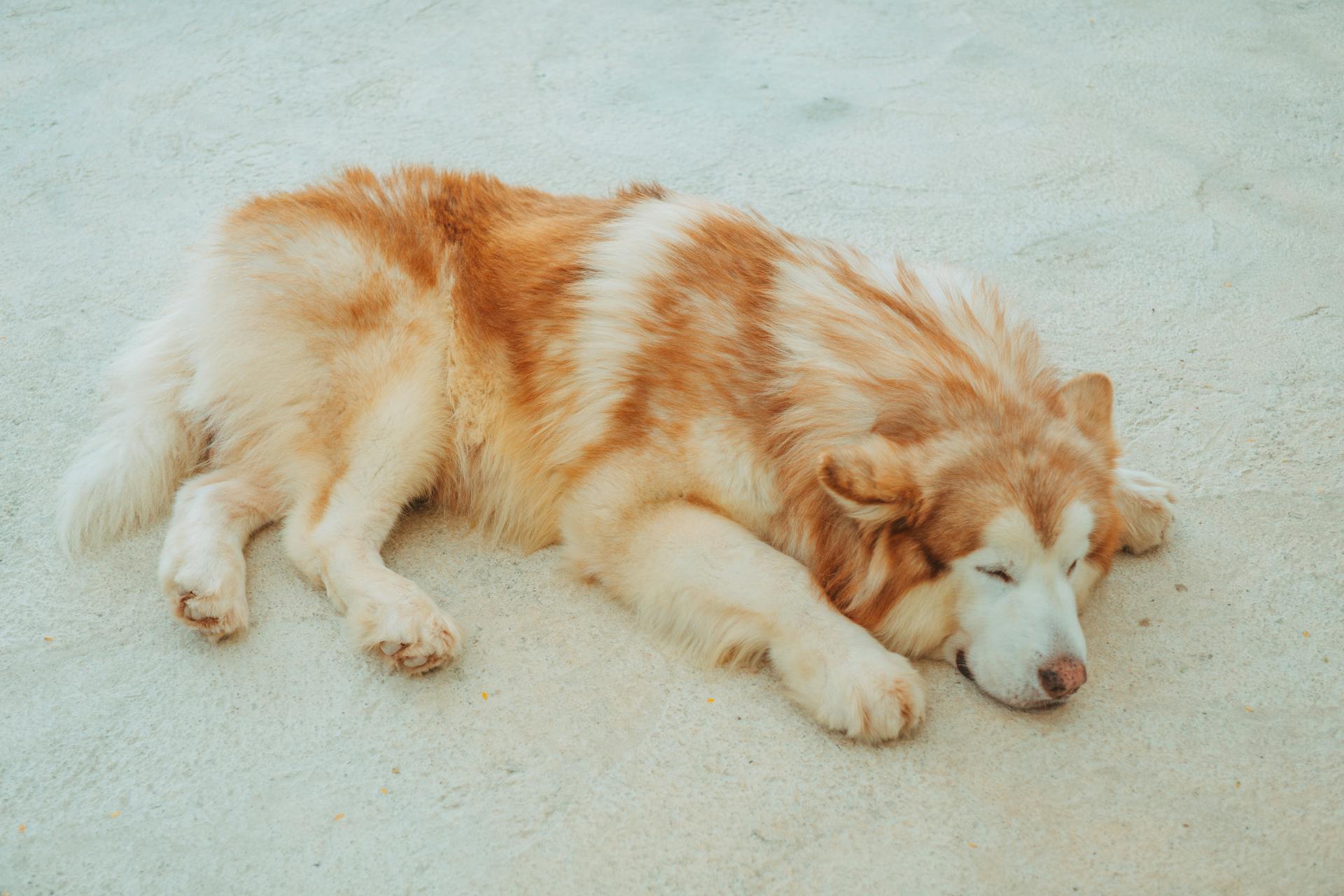
Alaskan Klee Kais can be wary of strangers, which means they may take time to warm up to new people. This is a common trait in many breeds, so it's not a deal-breaker, but it's something to be aware of.
They can also be very vocal, which may not be ideal for everyone. If you live in an apartment or have noise restrictions, this may be a concern.
Here are some key cons to consider:
- Needs lots of exercise and mental stimulation
- Can be wary of strangers
- Can be very vocal
Considerations
The Alaskan Klee Kai is a high-energy breed that requires plenty of exercise and mental stimulation. They need to be kept occupied to prevent boredom and destructive behavior.
If you live in an apartment or have shared walls with neighbors, the Alaskan Klee Kai's tendency to bark and howl may not be suitable for your living situation.
These dogs are loyal and loving, but they can be vocal about getting what they want. They thrive on attention and interaction with their family.
They're smart and curious, always ready to learn new tricks and go on adventures.
Frequently Asked Questions
What breed made Alaskan Klee Kai?
The Alaskan Klee Kai was developed by crossing the Alaskan Husky with other breeds, including Siberian Husky, American Eskimo Dog, and Schipperke. This unique combination was carefully crafted to create a distinctive and lovable breed.
Featured Images: pexels.com